License Plate Mount Options for a UTV
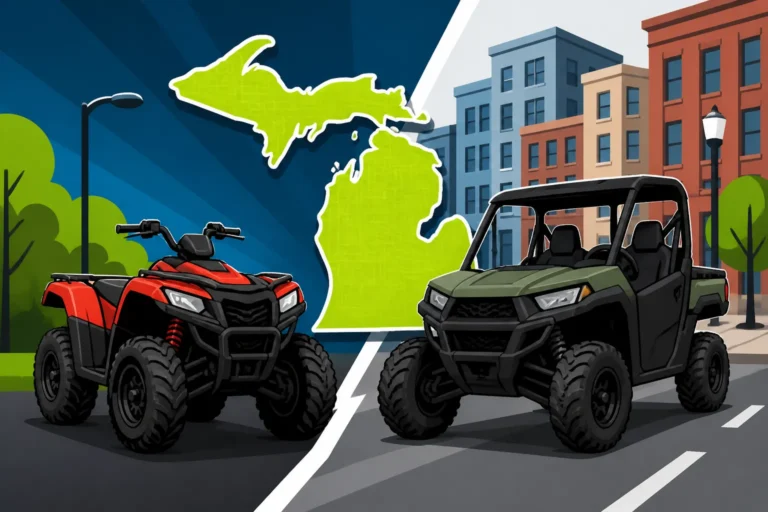
You've decided to make your UTV street legal here in Michigan, which is a fantastic move for expanding your riding opportunities. But once you've tackled the bigger hurdles like lights, mirrors, and turn signals, you might find yourself scratching your head over what seems like a simple detail: where exactly do you put that official state license plate? It's more than just screwing it onto the back; Michigan has specific requirements for visibility and security, and choosing the right mount can save you a lot of grief on the road. This guide will walk you through the best and most compliant options for mounting your UTV's license plate, ensuring it's legal, visible, and secure for all your road-riding adventures.
The Legal Lowdown: Why Your Michigan UTV Plate Needs a Proper Home
It’s easy to overlook something as seemingly minor as a license plate, but when you're converting your UTV to be street legal in Michigan, this little piece of metal becomes a big deal. The Michigan Secretary of State has clear expectations, and failing to meet them can lead to tickets and frustration, ruining a perfectly good day on the pavement. Understanding these rules from the get-go will help you choose a mount that keeps you compliant and worry-free.
Meeting Michigan's Visibility Standards
When a law enforcement officer looks at your UTV, that license plate needs to jump out at them. Michigan law specifies that the plate must be clearly visible and legible at all times. This isn't just about having it on the vehicle; it's about its position, angle, and illumination. Think about how many times you’ve seen a plate tucked away, covered in mud, or bent at an odd angle on another vehicle, and how annoying that is. For your street-legal UTV, you want to avoid being that guy. A proper mount ensures your plate isn't obscured by cargo, a spare tire, or even the back of a passenger's head. It should be as close to horizontal as possible, generally parallel to the ground, and visible from the rear without obstruction.
The goal here is easy identification. If a deputy or state trooper has to strain to read your plate, or if they can't see it clearly from a reasonable distance, you could be pulled over. This can quickly turn a fun cruise down a county road into a hassle. Making sure your plate is mounted where it's easily seen from any reasonable angle behind your UTV is paramount. This attention to detail reflects that you've put effort into making your machine road-ready and compliant.
The Importance of Proper Plate Illumination
Beyond just being visible in daylight, your license plate also needs to be illuminated at night. This is a non-negotiable requirement for any vehicle operating on public roads in Michigan. Many people get so focused on headlights, taillights, and turn signals for their [Street-Legal UTV Inspection at the Secretary of State] that they completely forget this small but critical detail. If you're planning on any evening rides, or even just driving home after dusk, your plate light is just as important as your other required lighting.
Most aftermarket license plate mounts, especially those designed for street-legal conversions, will come with integrated LED lights. If you're building a custom mount or reusing a bracket, you'll need to ensure you add a dedicated white light that illuminates the plate. This light needs to be bright enough to make the plate characters legible from at least 50 feet away in the dark. Don't skimp on this part; a dim or poorly positioned light is just as bad as no light at all. Investing in a good LED solution ensures long-lasting, bright illumination without drawing much power from your UTV's electrical system.
Exploring Your UTV License Plate Mounting Options
When it comes to actually attaching that plate, you have a few avenues to consider, each with its own advantages and potential drawbacks. Your choice will often depend on your UTV's make and model, how you use it, and your personal preference for aesthetics and durability. From simple frame attachments to more integrated solutions, there’s a mount out there for almost every setup.
Traditional Frame or Bumper Mounts
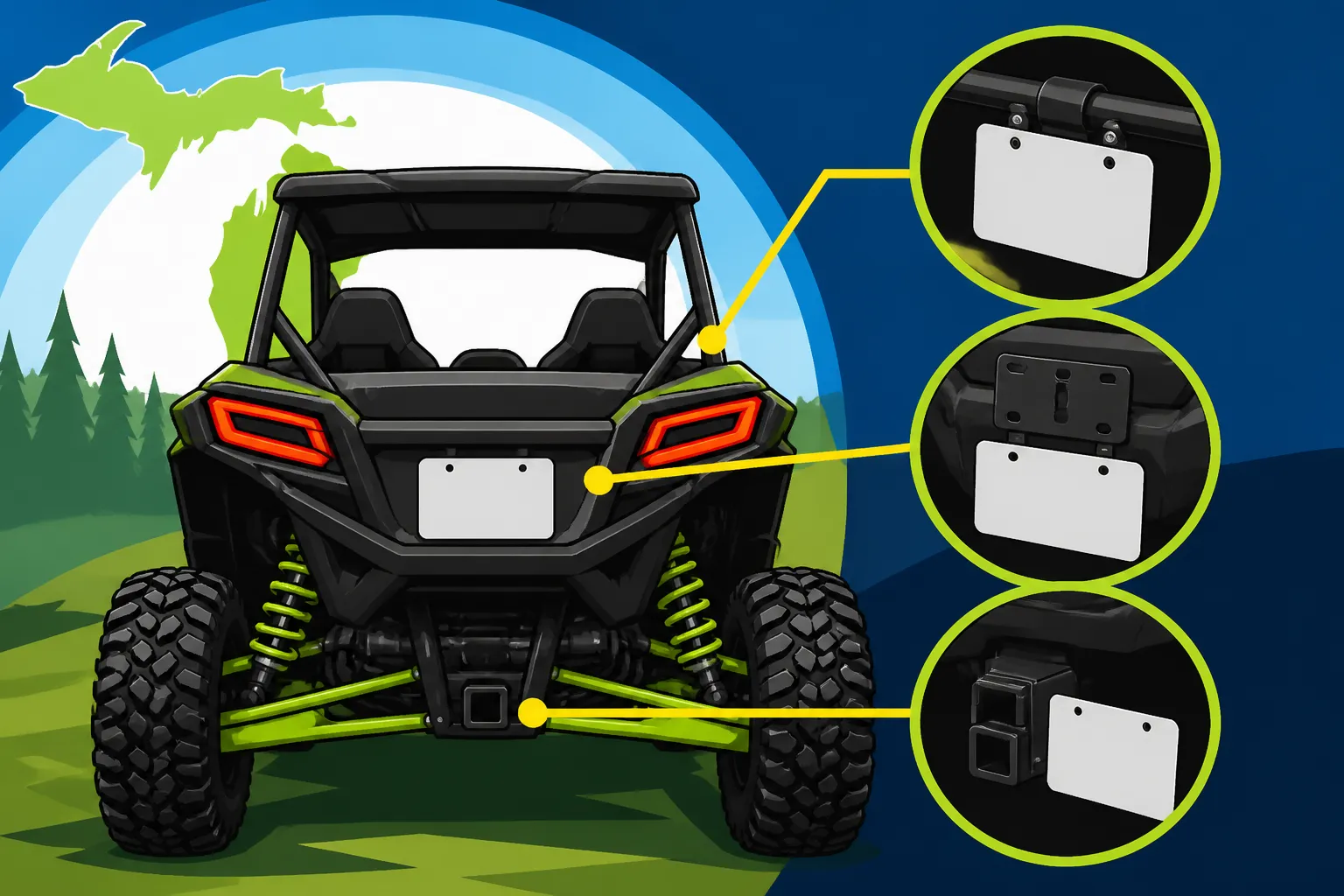
One of the most straightforward and common ways to mount a license plate on a UTV is directly to the rear frame, bumper, or tailgate area. Many UTVs, particularly those designed with utility in mind, have flat surfaces or integrated mounting points that can easily accommodate a standard license plate bracket. This is often the path of least resistance for many owners, as it requires minimal modification and leverages existing structures.
The benefit of this method is its simplicity. You can often find basic metal or plastic brackets at any auto parts store, or even reuse one from an old trailer. These brackets typically bolt directly to a sturdy part of your UTV's rear, providing a stable platform for the plate. However, you need to ensure that the chosen location doesn't interfere with your taillights, dump bed operation, or any accessories you might have mounted back there. And remember, if you choose a simple bracket, you’ll likely need to add a separate [Turn Signals and Hazard Lights on a Street-Legal Build] to illuminate the plate, as these basic options rarely come with lighting built-in. Make sure the location you pick also keeps the plate free from mud and debris kicked up by the tires when you're off-road, or you'll be cleaning it constantly.
Roll Cage or Crossbar Clamps
For many sportier UTVs or those with aftermarket roll cages, finding a flat, secure spot on the frame can be a challenge. That’s where roll cage or crossbar clamp-on mounts come into play. These specialized brackets are designed to attach directly to the tubular structure of your UTV's roll cage or any sturdy crossbar, offering a versatile mounting solution without the need for drilling into your vehicle's frame.
These clamps typically consist of two halves that bolt together around a tube, providing a secure point from which a license plate bracket can extend. They are particularly popular for side-by-sides with elevated roll cages, allowing you to position the plate higher up for better visibility, especially if you carry cargo in the bed. Many of these solutions, like those offered by companies such as SuperATV, are built to withstand the vibrations and impacts of off-road riding, ensuring your plate stays put. When selecting one, ensure it matches the diameter of your UTV's roll cage tubing for a snug fit. This type of mount often incorporates LED lighting directly into the bracket, making it an all-in-one solution for [Michigan ORV Lighting Rules During Daylight] and night.
Beyond the Basics: Aftermarket Solutions and Customization
While basic mounts get the job done, the aftermarket world offers a plethora of innovative and durable solutions designed specifically for UTVs. These options often address common pain points like durability, visibility, and integrated lighting, making your street-legal conversion smoother and more reliable in the long run.
Integrated LED License Plate Mounts
One of the most popular and practical aftermarket choices is an integrated LED license plate mount. These units are purpose-built for UTVs, combining a sturdy plate bracket with built-in LED illumination. They take the guesswork out of wiring a separate light and often provide superior protection and visibility compared to a simple, unlit bracket. Many feature a sleek design that blends well with the aggressive look of a UTV.
These mounts are often constructed from heavy-gauge aluminum or steel, powder-coated for durability against the elements. The integrated LEDs are typically very bright, ensuring your plate is clearly visible from a distance at night, meeting all [Michigan ORV Road Rules for Riders Under 16] lighting standards. Installation usually involves bolting the unit to a flat surface on your UTV's rear and connecting two wires to your existing taillight circuit. Brands like SuperATV offer robust options that stand up to the mud, vibrations, and occasional bumps that come with UTV ownership, giving you peace of mind that your plate isn't just visible, but also protected.
Fender Flares and Specialty Mounts
Some UTVs, especially those with aggressive fender flares or unique body designs, might benefit from specialty mounting solutions. These can include brackets designed to integrate directly into oversized fender flares, creating a low-profile yet highly visible mounting point. While less common, these custom solutions can offer a very clean, factory-like appearance that traditional mounts might not achieve.
For example, if your UTV has a sport-focused design with minimal rear bumper space, a fender-mounted solution could be ideal. These often require a bit more ingenuity or specific products tailored to your UTV model. Another specialty option might be a mount that attaches to a spare tire carrier, if your UTV is equipped with one. In these cases, it's crucial to ensure the plate remains fully visible and illuminated, and that the mount itself is robust enough to handle the dynamic forces of off-road driving. You don't want your plate rattling loose on a bumpy trail or blocking your taillights when the spare is loaded.
Making the Right Choice: Factors for a Durable and Compliant Mount
With all these options, how do you choose the best one for your Michigan street-legal UTV? It comes down to a few key considerations that balance compliance with durability and practicality. You want a mount that not only looks good but also withstands the rigors of both road and trail riding, because let's be honest, we all still hit the trails, even with a street-legal machine!
Durability and Weather Resistance
Your UTV is built for tough conditions, and its license plate mount should be no different. This isn't a delicate piece of chrome meant for a show car; it needs to endure mud, dust, water, gravel, and extreme temperatures. A flimsy plastic mount might snap on the first washboard road, and a poorly coated metal bracket could rust after a few Michigan winters.
Look for mounts made from heavy-gauge steel or aluminum, ideally with a powder-coated or anodized finish. These materials offer excellent resistance to corrosion and physical impact. Stainless steel hardware is also a huge plus, preventing rusted bolts from making future plate changes a nightmare. Consider the entire assembly: is the wiring protected? Are the LED lights sealed against moisture? Investing a little more upfront in a quality, weather-resistant mount will save you headaches and potential costs down the line from having to [Replacing a Lost Michigan ORV Title] or, in this case, a lost plate.
Security and Anti-Theft Measures
A license plate, while small, is a target for petty theft. Losing your plate means a trip to the Secretary of State, paperwork, and the hassle of getting a new one. A secure mount can deter casual theft and ensure your plate stays where it belongs, even when your UTV is parked somewhere public.
Many aftermarket mounts, including those from SuperATV, are designed with secure bolt patterns that make it harder to quickly remove the plate without tools. You can also consider using specialized anti-theft screws that require a unique driver bit, adding an extra layer of protection. When choosing your mounting location, think about how exposed the plate will be. A mount tucked slightly within the vehicle's footprint, while still visible, might be less prone to being snagged or tampered with than one that protrudes significantly. Ensuring your plate is snugly attached and not easily pried off is a small step that offers big peace of mind.
Aesthetics and Integration with Your UTV
Let's face it, after putting in all the work to make your UTV street legal and look good, you don't want an ugly, clunky license plate mount ruining the aesthetic. The best mount will blend seamlessly with your UTV's design, looking like it was meant to be there, not like an afterthought.
Consider the size and shape of the mount, and how it complements the lines of your UTV. If you have a sleek sport model, a minimalist, low-profile LED mount might be ideal. For a rugged utility UTV, a more substantial, bumper-integrated solution might fit better. Think about the wiring too; a clean installation with hidden wires looks much better than a tangle of cables. Some mounts even offer adjustable angles, allowing you to fine-tune the plate's position for optimal visibility and a custom look. Paying attention to these aesthetic details ensures your street-legal UTV is not just compliant, but also a source of pride on and off the road.
Here’s a quick overview of common mounting styles and their considerations:
| Mounting Style | Typical Location | Pros | Cons | Illumination Needed? | Durability |
|---|---|---|---|---|---|
| Direct Frame/Bumper | Rear bumper, tailgate | Simple, uses existing structure, low cost | May require separate light, can be exposed to debris | Yes (separate) | Varies (depends on bracket) |
| Roll Cage Clamp-On | Rear roll cage crossbar | High visibility, easy install, often integrated light | Requires correct tube diameter, can be pricey | Often Integrated | High (purpose-built) |
| Integrated LED Mount | Rear flat surface, bumper | All-in-one solution, bright illumination, sleek | May require drilling, typically higher cost | Yes (integrated) | High (powder-coated metal) |
| Fender/Specialty Mount | Rear fender, spare tire carrier | Clean integration, unique look for specific models | Can be model-specific, potentially obstructs other features | Varies | Varies |
No matter which option you choose, remember that the key is compliance with Michigan's laws. Your street-legal UTV should be a joy to ride, and a properly mounted license plate is a small but mighty detail that helps ensure every ride is hassle-free.
Disclaimer
This article is for general informational purposes only and does not constitute professional advice. Laws, prices and regulations vary by location and change over time. Consult a qualified professional for guidance on your specific situation.