Winter Road Riding on an ORV
The crunch of snow under your tires and the crisp, invigorating air can make winter ORV riding an absolutely magical experience in Michigan. However, taking your ATV or UTV onto Michigan's public roads when the snow flies isn't just about bundling up; it brings a whole new set of rules, safety considerations, and legal requirements. This guide will help you understand the specific legalities, essential gear, and best practices for navigating Michigan's roads safely and legally in your ORV during the beautiful, yet challenging, winter months.
Michigan's ORV Road Rules in Winter: Are They Different?
It's a common misconception that once snow hits the ground, all rules go out the window, or that ORVs suddenly gain special privileges on roads. While Michigan embraces winter sports like no other, the fundamental laws governing ORV use on public roads remain largely consistent year-round. The primary difference lies in how winter conditions amplify the existing challenges and necessitate extra vigilance from riders. You still need to adhere to speed limits, operate on approved routes, and ensure your machine is properly equipped, but the stakes are higher.
General ORV Road Ordinances Still Apply
First and foremost, any county, township, or city ordinance that permits ORV use on its roads during warmer months typically remains in effect through the winter. This means if a particular county allows ORVs on its gravel roads, for instance, that access doesn't automatically vanish with the first snowfall. You still need to ensure your ORV is properly titled, often meaning you need a [Michigan ORV Title Application and What It Costs], and you certainly need to have your current ORV license and trail permit displayed. These permits help fund the very trails and routes you might be using, so keeping them current is vital for the ORV community. Always assume the regular rules are in play unless you've specifically confirmed a winter-specific exception for your route.
However, the interpretation of what constitutes a "road" or a "shoulder" can become tricky when everything is blanketed in snow. The maintained portion of the road, where vehicles travel, is usually quite clear, but the shoulder or ditch lines might blend seamlessly into the adjacent fields. This can lead to unintentional trespass or deviation from the permitted route, so it's crucial to exercise caution and perhaps even re-check local maps if you're venturing into unfamiliar territory. Deputies still patrol, and they're looking for compliance regardless of the weather. For instance, the [Michigan's 25 mph Limit on County Roads] isn't suspended just because there's snow; if anything, going slower is often a safer choice.
Specific Winter Season Considerations
While general road ordinances hold, winter brings unique elements, most notably the existence of snowmobile trails. Michigan has an extensive network of designated snowmobile trails, and it's absolutely critical to understand that these are separate from ORV trails and routes. In most cases, ORVs are not permitted on groomed snowmobile trails, even if they appear to be "roads" in winter. [Michigan Snowmobile Season and Shared Road Corridors] discusses some of these complexities, as some limited, very specific routes might be shared, but always verify before you ride. Crossing a snowmobile trail might be necessary, but riding on one is usually a no-go for ORVs.
Furthermore, daylight hours are significantly reduced in winter, which means you're far more likely to be riding in low light or darkness. This dramatically increases the importance of visibility. Your ORV needs proper headlights, taillights, and reflectors that are clean and functioning optimally. Other vehicles, particularly those sharing the road with you, might not expect an ORV, especially in winter. Snowplows and other maintenance vehicles are also out in full force, and their operators are focused on the road, not necessarily looking for smaller, off-road machines. Always assume you are less visible than you think you are, and take every precaution.
Essential Gear for Cold Weather Riding on Roads
Riding in the winter elements demands specific equipment beyond what you'd typically use in summer. This isn't just about comfort; it's about safety, visibility, and the very functionality of your machine in freezing temperatures. Skimping on winter gear can turn a fun outing into a miserable, or even dangerous, ordeal very quickly.
Traction and Tires for Snow and Ice
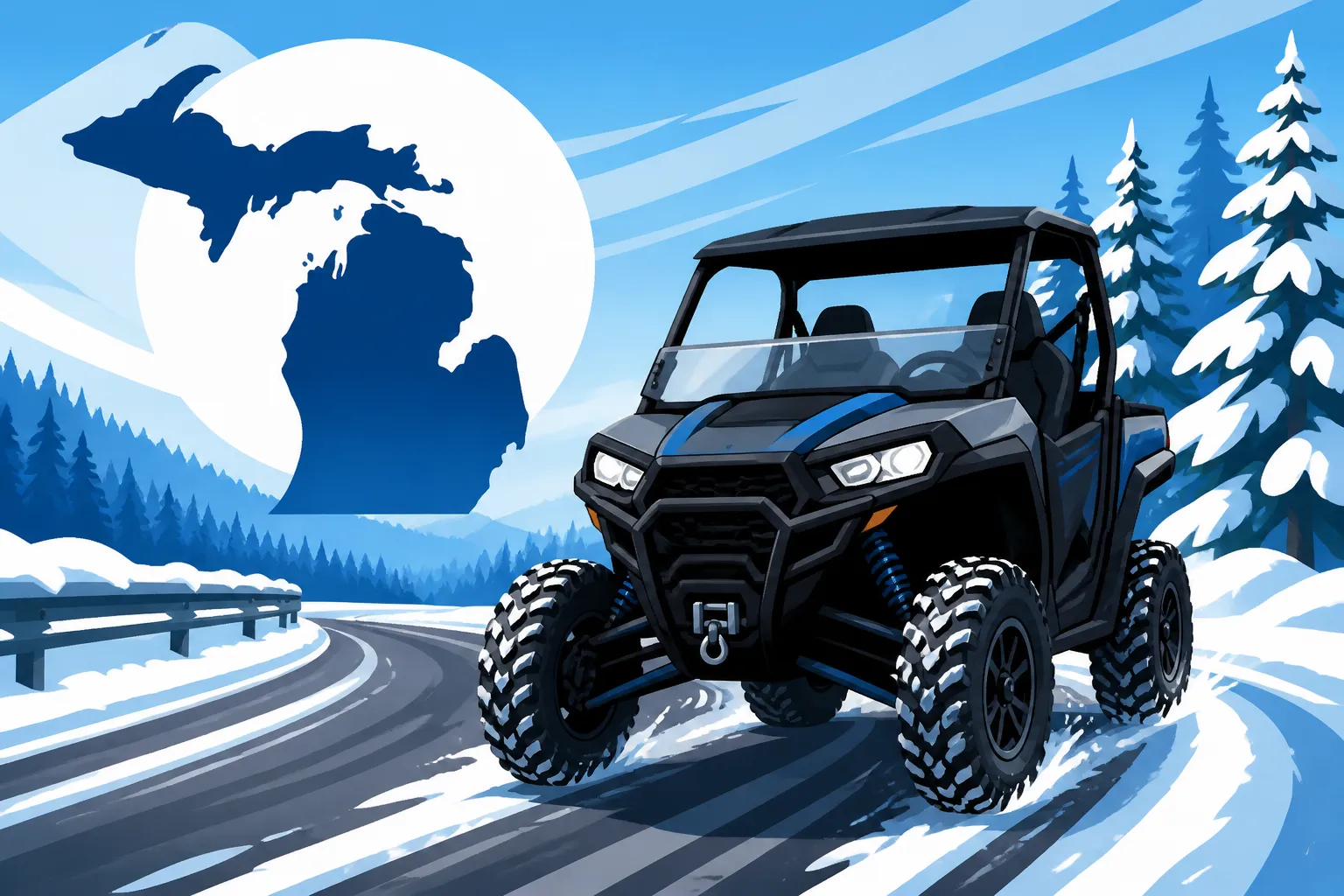
Snow and ice dramatically reduce traction, making standard ATV/UTV tires less effective on roads. For serious winter road riding, consider switching to tires designed for colder weather or even adding studs. While studs can provide significant grip on ice, you'll need to check local ordinances regarding their use on paved roads, as some areas may have restrictions. Even on gravel or snow-covered dirt roads, tires with a more aggressive, open tread pattern can help clear snow and provide better bite. Just like with a car, the right tires can be the difference between staying on the road and sliding into trouble.
Beyond tires, some riders, especially those using their UTVs for snow removal, might also utilize track systems. These systems replace your wheels entirely and offer unparalleled flotation and traction in deep snow. While track systems are fantastic for off-road snow exploration, their use on paved or maintained roads can be a bit awkward and might accelerate wear. For road riding, ensure your track system is suitable for the speeds and surfaces you'll encounter. For those looking to manage snow on their own property while still being able to traverse local ORV-friendly roads, equipping your UTV with a heavy-duty plow, perhaps from a brand like SuperATV, is a common solution that makes the machine incredibly versatile.
Visibility and Lighting in Winter Conditions
Winter often brings overcast skies, blowing snow, and earlier sunsets, all of which reduce visibility for you and for other drivers. Your ORV needs to be a beacon of light. Ensure all your factory lights – headlights, taillights, brake lights – are in perfect working order. Consider adding auxiliary LED light bars, especially if you anticipate riding after dark, which is common in Michigan winters. These extra lights not only help you see the road better but, more importantly, make your machine much more noticeable to approaching traffic. [Michigan ORV Lighting Rules During Daylight] details the basic requirements, but in winter, "basic" might not be enough.
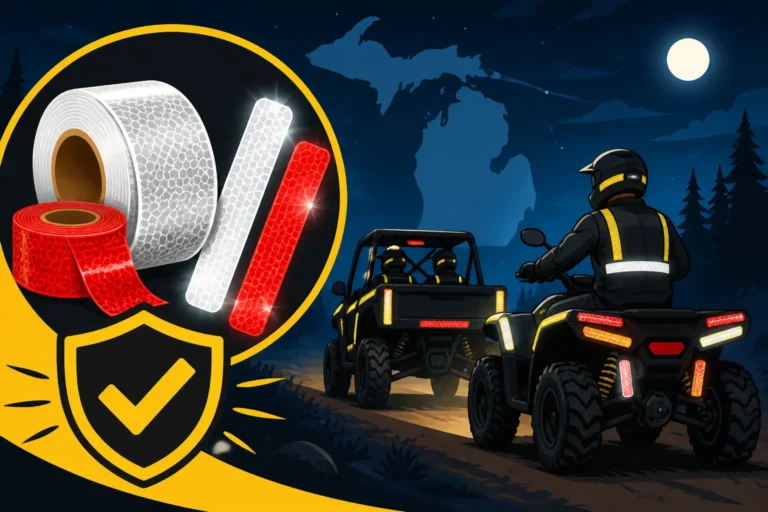
Beyond forward and rear lighting, reflective tape on your machine and high-visibility outerwear are non-negotiable. Bright colors, like neon green or orange, stand out against the white landscape. Many riders also use a whip flag, even on roads, especially if there's any chance of entering areas with deep snow where other vehicles might be obscured. Make sure your helmet has a clear, fog-free visor, and consider heated grips or handlebar warmers to keep your hands responsive, as cold hands can impair your ability to react quickly. A clear line of sight is paramount, so a good windshield is also crucial.
Rider Comfort and Protection
Staying warm is not just about comfort; hypothermia is a real and dangerous risk in Michigan winters. Layering is key, starting with moisture-wicking base layers, followed by insulating mid-layers, and finally, a waterproof and windproof outer shell. Invest in quality heated gloves or mittens, and good insulated boots. A full-face helmet designed for cold weather, perhaps with an anti-fog shield or even an electrically heated visor, is highly recommended to protect against wind chill and frostbite on your face.
For UTV riders, an enclosed cab offers significant protection from the elements. Many aftermarket solutions exist, from soft enclosures to rigid hard cabs, complete with heaters. A sturdy windshield, like those offered by SuperATV, can make a huge difference in deflecting wind and snow. While an open ATV ride might feel exhilarating, prolonged exposure to freezing temperatures can lead to fatigue, impaired judgment, and ultimately, a loss of control, increasing your risk of an accident. Prioritize staying warm and dry to maintain focus and enjoy the ride safely.
Safety Practices for Winter Road Riding
Winter road riding on an ORV isn't just about having the right gear; it's about adjusting your riding style and mindset to the challenging conditions. The inherent risks of sharing roads with cars are magnified when snow and ice are involved, demanding a heightened sense of caution and preparedness.
Understanding Road Conditions and Hazards
Winter roads are notoriously unpredictable. What looks like clear pavement can hide patches of black ice, and a seemingly innocuous snowdrift can conceal a deep rut or a hidden obstacle. Always reduce your speed significantly below the posted limit, especially on curves or when approaching intersections. The 25 mph limit on many Michigan county roads might feel slow in summer, but it's a wise maximum in winter. Braking distances are dramatically increased on slippery surfaces, so leave ample space between yourself and other vehicles. [Michigan ORV Accident Reporting Requirements] become a very real concern if you misjudge the conditions.
Be hyper-aware of shaded areas, bridges, and overpasses, as these tend to freeze first and stay icy longer than sun-exposed stretches. Melting snow can refreeze into slick spots, even on seemingly dry pavement. Pay attention to temperature fluctuations; if it's hovering around freezing, ice is a constant threat. Your senses are your best tools here: listen for changes in tire noise, feel for subtle shifts in traction, and constantly scan the road ahead for potential hazards.
Navigating Shared Routes and Other Vehicles
One of the biggest challenges of winter road riding is sharing the road with other traffic. Cars often have limited visibility due to snow accumulation, frost, or dirty windows, and their drivers may not be expecting to see an ORV on the road, especially in winter. Assume other drivers don't see you. This means being proactive with your lighting, wearing high-visibility gear, and making eye contact whenever possible. If you're riding after dark, refer to [Riding an ORV on the Road After Dark] for additional considerations.
When passing parked vehicles or approaching intersections, exercise extreme caution. Maintain a wide berth around other vehicles, and be particularly wary of snowplows, which have large blind spots and are focused on clearing the road. If you encounter a plow, give it plenty of room and wait for it to pass safely before proceeding. Remember that while ORVs are often exempt from certain requirements on trails, on public roads, you're expected to operate safely and predictably, just like any other vehicle. Your [Michigan ORV Paperwork During a DNR Stop] should always be readily accessible, but safe operation is your first priority.
Emergency Preparedness
Even the most experienced riders can encounter unexpected issues in winter. A breakdown or an accident in freezing temperatures can quickly become life-threatening. Always carry a well-stocked emergency kit specific to winter conditions. This should include:
- Extra layers of warm clothing: If you get wet, you'll need dry clothes immediately.
- First-aid kit: Essential for any ride, but critical when help might be delayed.
- Signaling devices: Whistle, flare, or a charged cell phone with a portable power bank. Cell service can be spotty in remote areas, so don't rely solely on it.
- Basic tool kit: For minor repairs.
- Tow strap: In case you get stuck or need a pull.
- Heat source: Hand warmers, a small stove, or chemical heat packs.
- High-energy snacks and water: Staying hydrated and fed helps regulate body temperature.
Inform someone of your planned route and estimated return time. Consider riding with a buddy, as there's safety in numbers, especially in the cold. If you must ride solo, ensure your machine is in top mechanical condition, with a full tank of fuel. The cost of a tow and repair, as well as the potential for late fees like a [Late Fee for Titling an ORV in Michigan] if you're delayed in an upcoming title transfer, are minor compared to the risks of being stranded in sub-zero temperatures. Planning ahead can literally be a lifesaver.
| Aspect of Winter Road Riding | Key Considerations | Safety Tips |
|---|---|---|
| Legal Status | Existing ORV road ordinances apply. | Verify local ordinances for winter-specific rules. Never assume. |
| Snowmobile Trails | Distinct from ORV trails; generally off-limits. | Stay off groomed snowmobile trails unless explicitly marked as shared ORV routes. |
| Traction | Snow and ice reduce grip significantly. | Use winter-specific or studded tires. Reduce speed on all surfaces. |
| Visibility | Reduced daylight, blowing snow, dirty roads. | Maximize lighting (headlights, taillights, auxiliaries). Wear high-visibility clothing. Maintain clean lenses. |
| Road Hazards | Black ice, hidden ruts, snowdrifts, frozen bridges. | Assume all surfaces are potentially slippery. Slow down, especially in shaded areas and on bridges. |
| Other Vehicles | Drivers may not expect ORVs; plows have blind spots. | Be highly visible. Maintain distance. Assume others don't see you. Give plows ample room. |
| Cold Exposure | Risk of hypothermia, frostbite, impaired judgment. | Layer clothing, use heated gear, consider enclosed cab. Take frequent warming breaks. |
| Emergency Prep | Breakdowns are serious in cold weather. | Carry a comprehensive winter emergency kit, inform others of your route, ride with a buddy if possible. |
Disclaimer
This article is for general informational purposes only and does not constitute professional advice. Laws, prices and regulations vary by location and change over time. Consult a qualified professional for guidance on your specific situation.