Michigan Eye Protection Requirement Without a Windshield
There's nothing quite like the feeling of the wind in your face as you rip down a Michigan ORV trail or cruise a backroad in your side-by-side. That sense of open-air freedom is a huge part of the appeal, right? But that same wind, along with dust, debris, and even rogue insects, can turn a fantastic ride into a painful trip to the optometrist if you're not properly protected. This guide will dive deep into Michigan's specific requirements for eye protection when your ATV or UTV doesn't have a windshield, ensuring you stay safe and on the right side of the law.
Why Eye Protection Is Non-Negotiable on Michigan's Trails and Roads
It might seem like a minor detail, but eye protection isn't just a suggestion when you're out riding your ATV or UTV, especially when there's nothing between you and the open air. Many of us have been there, thinking a pair of sunglasses will be enough for a quick run down the two-track. Then, suddenly, a pebble or a low-hanging branch jumps out, and you realize just how vulnerable your eyes are. Beyond the immediate pain, a serious eye injury can permanently impact your vision, affecting not just your riding but your entire life.
Michigan's diverse riding environments – from sandy dunes to dense forests, gravel roads, and even paved county routes – present unique hazards. On any given ride, you could encounter kicked-up rocks from other vehicles, dust clouds that reduce visibility to near zero, flying insects big enough to sting, or even the unexpected splatter of mud. A proper set of goggles or safety glasses creates a physical barrier, shielding your eyes from these ever-present threats. It's about proactive safety, not just reacting when something goes wrong.
The truth is, even experienced riders can underestimate the speed at which debris can travel or the force with which it can impact an unprotected eye. It's not just about preventing a major accident; it's also about preventing those smaller, irritating incidents that can distract you, cause discomfort, and ultimately make your ride less enjoyable. Keeping your vision clear and your eyes safe allows you to focus on the trail ahead, react quickly to changing conditions, and truly soak in the Michigan scenery.
Michigan's Specific Eye Protection Rules for ORVs Without a Windshield
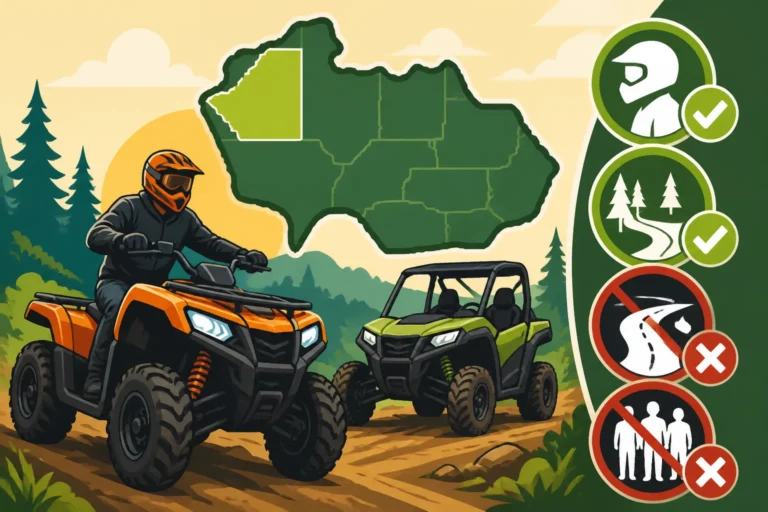
Michigan's legislature understands these inherent risks, which is why they've put specific rules in place regarding eye protection for ORV (Off-Road Vehicle) operators and passengers. It's not just a general recommendation; it's a legal requirement designed to keep everyone safe. If your ATV or UTV isn't equipped with a factory or aftermarket windshield that provides adequate protection from the front and sides, then you and your passengers must wear approved eye protection. This isn't a "sometimes" rule; it's an "always" rule when that windshield isn't present.
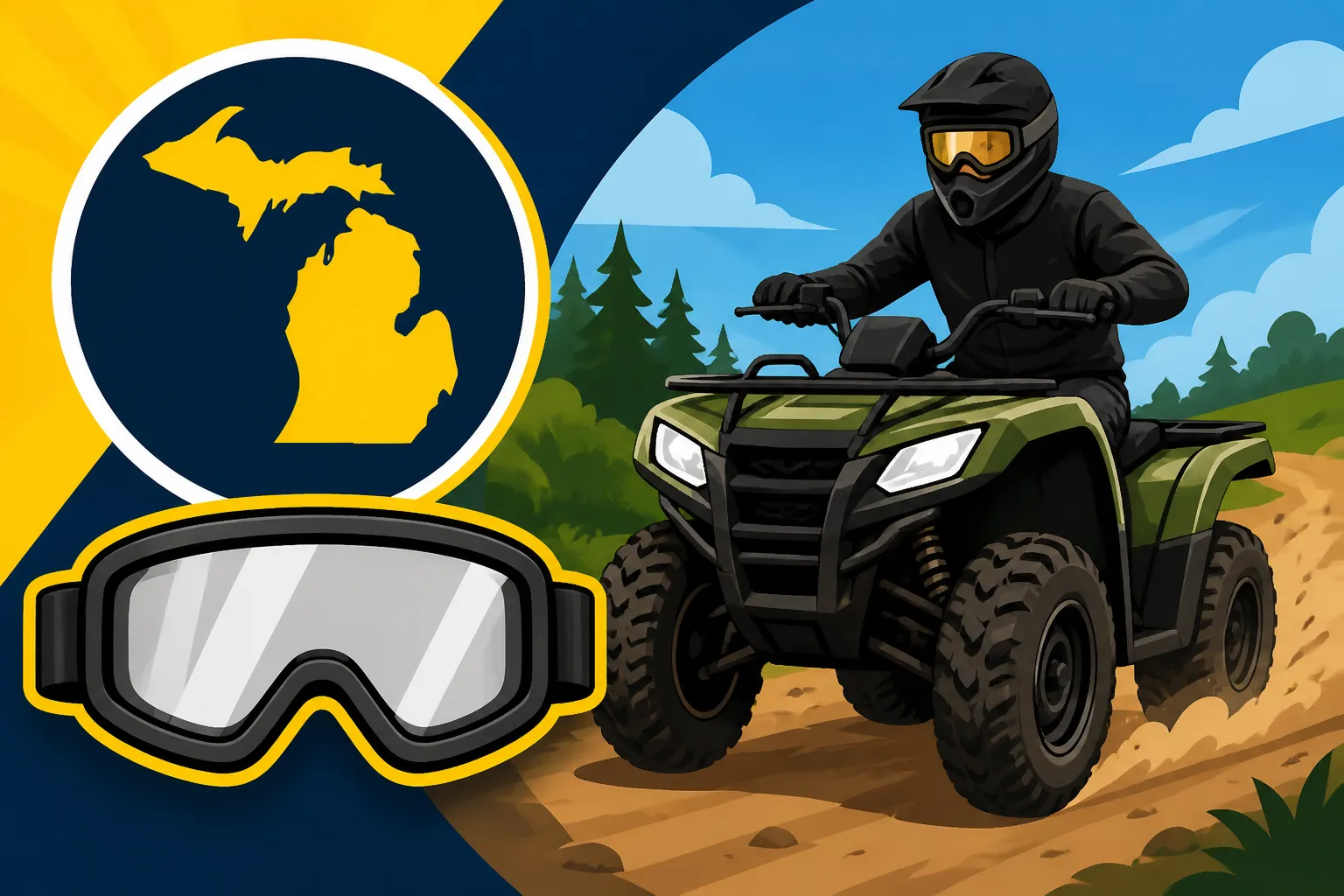
The Michigan law is quite clear: if a windshield is not installed, all persons operating or riding as a passenger on an ORV must wear goggles, eyeglasses, or a face shield. This applies whether you're navigating tight forest trails in the Upper Peninsula, carving up the [Silver Lake Sand Dunes in Michigan], or riding on designated county roads where [Michigan's 25 mph Limit on County Roads] applies. Ignorance of the law won't get you out of a ticket, and more importantly, it won't protect your eyesight. Conservation officers and local law enforcement will be looking for compliance, especially if they pull you over for another reason or are simply observing riders on popular routes.
It's important to differentiate between simply wearing any glasses and wearing approved eye protection. While the law doesn't always specify a "DOT-approved" standard for goggles or glasses in the same way it does for helmets, the implication is clear: the protection must be effective. Regular eyeglasses might help with vision, but they often lack the impact resistance or full-seal protection of dedicated riding goggles. The spirit of the law is about preventing injury, so choosing gear specifically designed for powersports is always the best approach. If you're looking at aftermarket windshields or integrated visor helmets, reputable brands like SuperATV offer a range of options that meet or exceed these safety expectations, providing peace of mind and often greater comfort.
Defining "Adequate Windshield Protection"
So, what exactly constitutes "adequate" windshield protection? This is where some confusion can arise. The intent of a windshield on an ORV is to shield the operator and passengers from airborne debris, wind, and insects. A full, sturdy windshield that extends across the width of the vehicle and high enough to deflect objects over your head is generally considered adequate. These are typically made from shatter-resistant polycarbonate or safety glass.
However, many UTVs, especially those designed for off-road performance, come with half windshields, short sport windshields, or even no windshield at all. Some riders opt for flip-up or folding windshields that can be stowed. In these scenarios, if the windshield doesn't provide comprehensive frontal and side protection for your eyes, then the eye protection requirement kicks back in. Think of it this way: if wind, dust, or a bug can still get directly into your eyes while riding, that windshield isn't doing enough, and you'll need additional gear.
For example, a small, low-profile sport windshield might deflect some direct wind, but it won't stop dust swirling up from underneath or a branch whipping in from the side. In such cases, you absolutely need to wear goggles or a face shield. When you're considering [Safety Glass, Mirrors and Horns: Michigan's Street-Legal List] for a street-legal conversion, a full windshield is often part of that package, potentially exempting you from separate eye protection. But if you're not going the full street-legal route or your setup is minimalistic, prioritize those goggles!
Who Needs to Wear Eye Protection?
The Michigan law applies to all persons on the ORV. This means the operator and any passengers, regardless of age, must wear appropriate eye protection if there's no adequate windshield. This is a critical point, especially for families enjoying the trails together. Young riders, in particular, might be more susceptible to debris or less aware of the need to keep their eyes shielded.
This ties into broader youth safety regulations, like [Michigan ORV Road Rules for Riders Under 16]. Even if a young rider is under direct supervision and riding a machine appropriate for their age, their eyes still need the same level of protection as an adult's. Ensuring your entire riding party is properly geared up isn't just about avoiding a ticket; it's about fostering a culture of safety and protecting everyone who's out there with you.
Many helmets designed for off-road use come with integrated face shields, which can serve this purpose perfectly. For those wearing open-face helmets, or no helmet where permitted (such as for adults in a street-legal UTV with a full windshield, as per [When Michigan Drops the Helmet Requirement]), goggles become absolutely essential. It’s about making sure that no matter the setup, every pair of eyes on that machine is guarded from the elements and potential hazards.
Choosing the Right Eye Protection for Your Michigan Rides
Selecting the right eye protection goes beyond just grabbing any old pair of safety glasses. The harsh conditions of ORV riding demand gear that is durable, comfortable, and offers clear, unobstructed vision. There are a few main categories to consider, each with its own advantages, and your choice might depend on your helmet style, riding conditions, and personal preference.
The most common and often best choice for ORV riding are goggles. Good quality riding goggles offer a full seal around your eyes, preventing dust, wind, and debris from sneaking in. They typically have an adjustable strap to ensure a snug fit, and many are designed to fit comfortably over prescription glasses. Look for goggles with anti-fog coatings and good ventilation, as Michigan's humid summers or sudden temperature drops can quickly cloud your vision. Brands like SuperATV, while known for UTV accessories, also understand the need for clear vision and offer solutions or complement other gear well.
Another option is a full-face helmet with an integrated shield. These helmets combine head and eye protection into one unit, offering convenience and a high level of safety. The shield usually can be flipped up when stopped or for better ventilation, and many are treated for scratch and fog resistance. Just be sure the shield is clean and clear before each ride, as even minor scratches can distort your vision. For riders with open-face helmets, separate goggles are the way to go.
Goggles vs. Safety Glasses: What's Best for ORV Riding?
When it comes to dedicated eye protection, riders often debate between goggles and safety glasses. While safety glasses can meet the legal requirement in a pinch, goggles are almost always the superior choice for serious ORV riding in Michigan.
Here's a quick comparison:
| Feature | Riding Goggles | Safety Glasses |
|---|---|---|
| Coverage | Full, sealed perimeter around eyes | Primarily front, some side protection |
| Debris Block | Excellent (dust, wind, bugs, small rocks) | Good for direct impacts, weak against dust/wind |
| Fog Resistance | Often anti-fog coated, vented | Varies, can fog easily |
| Comfort/Fit | Adjustable strap, designed for helmets | Can slip, may not fit well with helmets |
| Durability | Built for impacts and harsh conditions | Varies, many are lighter duty |
| Prescription | Many models fit over glasses (OTG) | Can be prescription, or worn over glasses |
| Legal | Generally meets [Eye Protection That Meets Road Rules] | Can meet legal minimum, but less ideal |
As you can see, goggles offer a much more comprehensive level of protection. The sealed design is crucial for keeping out fine dust that can irritate your eyes, and the wider field of view without frames obstructing your peripheral vision is a definite plus. For those long days exploring the [Upper Peninsula ATV Trails Worth the Drive], comfort and consistent protection make a huge difference.
Features to Look for in Quality Eye Protection
Once you've decided on goggles or a helmet with an integrated face shield, there are specific features that can enhance your safety and comfort on the trails.
- Lens Material and Coatings: Polycarbonate lenses are standard for their impact resistance. Look for anti-scratch and anti-fog coatings. Mirrored or tinted lenses can be great for bright, sunny days, but clear lenses are a must for low-light conditions or night riding. Carrying interchangeable lenses or a second pair of clear goggles is always a good idea.
- Ventilation: Good ventilation is key to preventing fogging, especially when you're working up a sweat. Foam-filtered vents help keep dust out while allowing air to circulate.
- Fit and Comfort: The strap should be adjustable and comfortable, ideally with a silicone bead on the inside to prevent slipping on your helmet. The foam around the lens should be soft and create a good seal against your face without causing pressure points. If you wear prescription glasses, ensure the goggles are specifically designed as "Over The Glass" (OTG) models.
- UV Protection: Always choose eye protection that offers 100% UV protection. Prolonged exposure to the sun's harmful rays can cause long-term damage to your eyes, even on cloudy days.
Remember, investing in good quality eye protection is an investment in your safety and enjoyment. It's not an area to cut corners.
Consequences of Riding Without Proper Eye Protection in Michigan
Ignoring Michigan's eye protection requirements, especially when your ORV lacks a proper windshield, can lead to a host of problems, from legal penalties to serious personal injury. It’s simply not worth the risk.
First and foremost, you could receive a ticket. While fines vary, a violation of ORV safety gear laws will cost you money, and it's an unnecessary expense that could have been avoided with a simple pair of goggles. Think of it this way: that fine money could have gone towards some cool aftermarket upgrades from SuperATV, or fuel for another riding trip! Law enforcement, including Michigan DNR officers, are vigilant about ORV safety, and a lack of required gear is an easy catch.
Beyond the financial penalty, there's the much more significant risk of injury. We've talked about dust, bugs, and rocks, but imagine a piece of metal debris or a sharp stick hitting your eye at 30 miles per hour. The damage could be permanent, leading to vision loss, costly medical bills, and a long recovery. Even a minor eye injury can be excruciatingly painful and put an immediate end to your riding day, or worse, your riding season. Accidents happen, and it's best to be prepared, whether you're dealing with [Michigan ORV Accident Reporting Requirements] or just a minor tumble.
Legal Penalties and Safety Concerns
Operating an ORV without the legally required eye protection in Michigan is considered a civil infraction. This means you won't get points on your driver's license, but you will incur a fine and court costs. While it might seem minor, repeated infractions could draw more scrutiny from law enforcement. The real penalty, however, isn't just the monetary one; it's the compromised safety.
A distraction caused by a sudden eye irritation—like a bug hitting your eye or dust temporarily blinding you—can lead to a loss of control, an accident, and injuries far more severe than just to your eyes. You could crash into another rider, a tree, or even a vehicle if you're riding on approved county roads. This is why safety certifications, like those required for younger riders to obtain their [Michigan ORV Safety Certificate Requirements], emphasize proper gear. It's all interconnected.
Consider the potential impact on your ability to operate your ORV safely. Clear vision is paramount. If your eyes are watering, burning, or you're constantly blinking and trying to clear them, your focus is off the trail. This reduces your reaction time and increases the likelihood of an incident. So, when you're gearing up, remember that eye protection isn't just a compliance item; it's a fundamental part of your personal protective equipment.
Preparing for Michigan's Diverse Riding Conditions
Michigan's weather and trail conditions can change rapidly. A sunny morning can turn into a dusty afternoon, or a clear day can become a muddy mess after a sudden rain shower. Your eye protection needs to be adaptable.
- Dusty Trails: For those dry, dusty days common in late summer, a fully sealed goggle with good ventilation and a tear-off system or roll-off film can be a lifesaver. This helps maintain clear vision even in thick dust clouds.
- Muddy Conditions: When riding after a rain, mud is inevitable. Goggles with good anti-fog properties and a wide field of vision are crucial. Consider goggles that are easy to clean or have removable lenses.
- Varying Light: As mentioned earlier, carrying interchangeable lenses (tinted for sun, clear for low light) or having a clear face shield for evening rides is a smart move. You don't want to be caught out on the trail after dark with dark lenses that impair your vision.
- Cold Weather: While less common for ATV/UTV riding compared to snowmobiling, cold weather riding still requires proper eye protection. Ensure your goggles offer enough insulation to prevent your eyes from watering in the cold wind, and definitely prioritize anti-fog features.
By preparing for these diverse conditions with appropriate and high-quality eye protection, you'll not only meet Michigan's legal requirements but also significantly enhance your comfort, safety, and overall enjoyment of every ride. Keeping your vision sharp means you can fully appreciate the beauty of Michigan's landscapes from the seat of your ORV.
Disclaimer
This article is for general informational purposes only and does not constitute professional advice. Laws, prices and regulations vary by location and change over time. Consult a qualified professional for guidance on your specific situation.