Michigan ORV Tickets and Points on Your License
Riding your ATV or UTV in Michigan is all about freedom, adventure, and enjoying the great outdoors. But let's be honest, there's always that little bit of anxiety about staying on the right side of the law. Nobody wants their epic ride to end with flashing lights and a hefty ticket, especially if you're worried about points landing on your driver's license. This guide is here to clear up the confusion about Michigan ORV tickets, what common violations might cost you, and whether those off-road infractions can actually impact your on-road driving record.
Common Michigan ORV Violations That Can Land You a Ticket
It's easy to think that once you're off the pavement, the rules relax, but that's simply not true for ORVs in Michigan. The Michigan Department of Natural Resources (DNR) and local law enforcement take ORV regulations seriously to ensure safety, protect natural resources, and minimize conflicts with other land users. Getting caught breaking these rules can lead to a range of penalties.
Operating Without Proper Permits and Licenses
One of the most frequent reasons riders get pulled over is for not having the correct paperwork. Michigan has clear requirements for ORV ownership and operation, and overlooking these can quickly lead to a fine.
First and foremost, you need a valid Michigan ORV license and a trail permit if you're riding on designated trails or routes. This isn't just a suggestion; it's a requirement. The ORV license is essentially a registration sticker for your machine, proving it's recognized by the state. The trail permit is an additional sticker that funds the maintenance and development of Michigan's extensive trail system. Many riders mistakenly believe one covers the other, or they simply forget to renew. Imagine planning a long weekend up north, eager to hit the trails, only to be stopped by a conservation officer who notices your outdated sticker. Not only does it spoil the trip, but it also comes with a fine that could have been easily avoided. You can learn more about these requirements in [Michigan ORV License and Trail Permit Explained].
Beyond the machine's permits, some riders need an ORV Safety Certificate. If you're under 16, this certificate is generally mandatory for operating an ORV anywhere but your own private land. Even if you're older, taking an ORV safety course is a fantastic idea to brush up on rules and safe operating practices. It’s not just about avoiding tickets; it’s about preventing accidents. Law enforcement officers are vigilant, especially in popular riding areas, looking for younger riders who might be operating without this crucial certification. The consequences for a parent allowing an uncertified minor to ride can be significant, both financially and in terms of responsibility.
Riding in Prohibited Areas and Violating Road Rules
Michigan has specific laws about where you can and cannot ride your ORV. It’s not a free-for-all, and many riders find themselves in hot water because they didn't fully understand the local ordinances or state laws regarding road access.
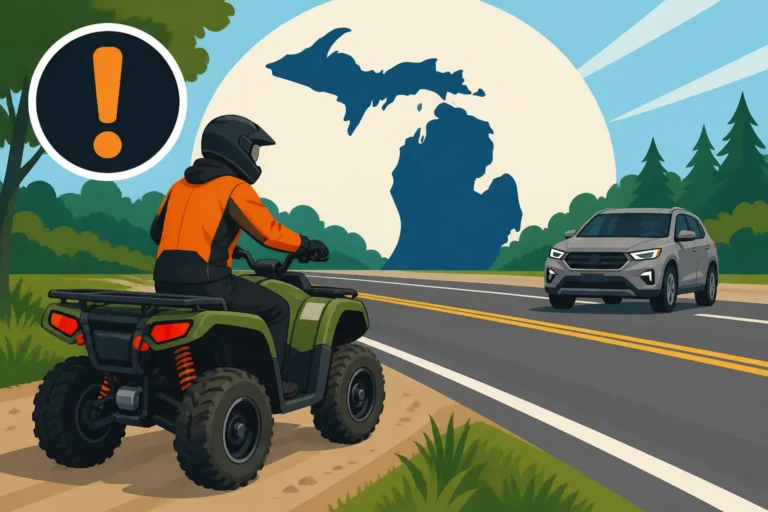
One major source of confusion is riding on public roads. While Michigan has opened up many county roads to ORV use, there are very strict rules about how and where you can ride. This includes speed limits, staying on the far right of the maintained portion, and following general traffic laws. For instance, riding your UTV down the middle of a paved county road at 40 mph, ignoring stop signs, will absolutely get you a ticket. Even if a county has an ORV ordinance, it doesn't mean all roads are open, or that cities and villages within that county don't have their own specific bans. It's easy to get lost in the regulations, which is why it’s so important to check local rules. Imagine rolling through a small town on your side-by-side, thinking you're legal, only to be pulled over because that particular town prohibits ORVs on its streets. That's a quick way to turn a leisurely ride into a costly lesson. For more details, check out [Michigan ORV Rules Inside City Limits].
Another common issue is trespassing or riding on private land without permission. While it might seem like a harmless shortcut, riding across someone's field or through their woods without asking is a surefire way to upset property owners and invite law enforcement. Conservation officers and local deputies often patrol areas known for such violations, sometimes in response to landowner complaints. It’s a matter of respect and legality. Always know your boundaries and ask permission if you're unsure.
Equipment and Operator Violations
Beyond where you ride and your permits, the way your ORV is equipped and how you operate it are also subject to rules. These are often in place for safety, noise reduction, and environmental protection.
One frequent ticket-generator is operating an ORV without a spark arrestor. This seemingly small piece of equipment is crucial for preventing wildfires, especially in dry conditions. Many aftermarket exhausts don't come with spark arrestors, or riders remove them for perceived performance gains. A DNR officer checking machines at a trailhead will often look for this, and a missing or non-functional spark arrestor is an immediate violation. Similarly, noise levels are regulated. Loud aftermarket exhausts can draw unwanted attention from residents near trails and lead to tickets, even if you’re otherwise riding legally. Some companies, like SuperATV, offer accessories that help ensure compliance with safety and environmental standards, from quiet exhausts to proper lighting.
Safety equipment for the operator and passengers is another critical area. Helmet laws are a big one, especially for younger riders or on ATVs. While there are some exemptions for street-legal UTVs, most ORV riding in Michigan requires a helmet. Imagine a scenic ride with your child as a passenger, only to be stopped because they aren't wearing a DOT-approved helmet. Not only is it dangerous, but it's also a ticket waiting to happen. Passenger rules are also strictly enforced; ATVs designed for a single rider should not carry a passenger. Trying to squeeze an extra person on a quad not designed for it is both illegal and incredibly risky. For comprehensive information, consult [Michigan ORV Helmet Law for ATV Riders] and [Michigan Passenger Rules on an ATV].
Do Michigan ORV Tickets Put Points on Your Driver's License?
This is perhaps the most common question and concern for ORV riders, and the answer is nuanced. For most ORV violations, you can breathe a small sigh of relief: they typically do not result in points on your standard Michigan driver's license. However, there are significant exceptions and other consequences to be aware of.
The General Rule: No Points for Most ORV Infractions
For the vast majority of non-moving ORV violations—like not having a trail permit, operating an ORV on a prohibited road, or lacking a spark arrestor—the ticket you receive is generally treated as a civil infraction specific to ORV operation. These are fines, plain and simple, and while they can be costly, they usually don't transfer to your regular driving record in terms of points. This is because the state often views ORV operation as distinct from operating a motor vehicle on public roads in the traditional sense. So, if you forget your [Michigan ORV License and Trail Permit Explained] sticker, you’re looking at a fine, not points on your driver's license that could affect your car insurance or job.
This distinction is important because it means your ability to drive your car to work or school generally won't be impacted by an ORV permit violation. However, don't mistake "no points" for "no consequences." A civil infraction still means you broke the law, and you'll have to pay the fine. Failure to pay these fines can lead to further legal issues, including potential suspension of ORV operating privileges or warrants, but again, typically not points on your regular driver's license.
Critical Exceptions: When ORV Violations Do Affect Your Driver's License
While most ORV tickets won't add points, there are very serious exceptions where an ORV violation can and will have a direct impact on your standard driver's license. These generally involve offenses that are also serious motor vehicle violations.
The most prominent example is Operating While Intoxicated (OWI) or Operating While Under the Influence (OWI/OUIL). Michigan law treats operating an ORV under the influence of alcohol or drugs with the same severity as operating a car under the influence. If you get an OWI on your ORV, it will absolutely result in points on your driver's license, potential license suspension or revocation, and all the other severe penalties associated with an OWI in a regular vehicle. This is not a separate system; it's a unified approach to impaired driving. Imagine being out on the trails, enjoying a few adult beverages, and then deciding to ride back to camp. That seemingly innocent decision could cost you your driver's license for months or even years, lead to huge fines, and require costly legal intervention. This is a critical area where ORV rules are identical to road rules. Learn more about the serious implications in [Michigan OWI on an ORV: What Happens].
Another situation that could potentially impact your driver's license involves very reckless or dangerous operation, especially if it results in injury or property damage and involves other vehicles or people. While rare, certain egregious acts might be prosecuted under broader reckless driving statutes that could carry points. Leaving the scene of an accident on an ORV could also have broader implications beyond just an ORV-specific penalty. These are extreme cases, but they highlight that while the systems are mostly separate for minor infractions, serious criminal behavior on an ORV can still cross over and affect your ability to drive a car.
Other Long-Term Consequences Beyond Points
Even without points on your driver's license, ORV tickets can still hit you hard in other ways.
Financial Penalties: Fines for ORV violations can range from nuisance-level costs to hundreds or even thousands of dollars for serious infractions. Repeated violations can lead to escalating fines. For example, operating without a valid ORV permit or trail sticker might be a basic fine, but getting caught repeatedly could lead to higher penalties. Operating on a prohibited road, especially if it's a "no ORV" zone, can also come with a significant financial hit. These aren't just minor annoyances; they can quickly drain your fun fund for new accessories or future rides.
Impoundment of Your Machine: This is a nightmare scenario for any ORV owner. For certain serious violations, law enforcement has the authority to impound your ATV or UTV. This could be due to repeat offenses, operating an unregistered or stolen machine, or a severe safety violation. Getting your machine out of impound often involves paying towing fees, storage fees, and the original fines, which can quickly add up to a substantial amount. This is especially true if you've got a high-dollar UTV outfitted with SuperATV upgrades – suddenly those upgrades become a really expensive headache to recover. Beyond the cost, it's a massive inconvenience, potentially ruining your trip and leaving you without your prized machine for an extended period.
Impact on Future ORV Privileges: While not affecting your driver's license, severe or repeated ORV violations can result in the suspension or revocation of your ORV operating privileges. This means you could be legally barred from riding any ORV in Michigan for a specific period. For enthusiasts, this is a significant penalty, essentially taking away their favorite pastime.
Insurance Implications (Indirect): While civil ORV infractions won't directly raise your car insurance rates through points, serious ORV-related incidents, particularly those involving accidents, property damage, or injuries, can still impact your insurance. If your ORV is covered under a separate policy, or if an incident involves your homeowner's insurance (for theft or damage, for example), a history of violations or accidents could lead to higher premiums or even difficulty obtaining coverage in the future. Insurance companies assess risk, and a history of irresponsible operation, even if not tied to your driver's license points, could flag you as a higher risk.
How to Avoid Michigan ORV Tickets and Stay Out of Trouble
Nobody wants to get a ticket. The best way to avoid the fines, hassles, and potential impoundment is to be a responsible, informed, and prepared rider. A little planning and knowledge can go a long way in ensuring your time on Michigan's trails and routes is fun and trouble-free.
Know the Rules Before You Ride
The number one defense against an ORV ticket is knowing the rules. Michigan's ORV laws can be complex, especially with varying county and local ordinances.
- Check State Regulations: Familiarize yourself with the Michigan DNR's ORV regulations. These cover everything from required permits and safety equipment to age restrictions and operating hours. The DNR website is a great resource, and you can often pick up informational brochures at Secretary of State offices or trailheads.
- Understand Local Ordinances: Just because ORVs are allowed in one county doesn't mean they're allowed everywhere. Many counties have passed ordinances opening specific roads, but others might have restrictions. Cities and villages often have their own complete bans. Before you load up your rig and head out, always check the specific county and township ordinances for your planned riding area. A quick search on the local government's website or a call to the sheriff's department can save you a lot of grief. [How to Find Your Michigan County's ORV Ordinance] can be a great starting point for this research.
- Permits and Licenses: Ensure your ORV license and trail permit are current and properly displayed. Renew them annually. It’s a small cost for peace of mind. Also, if you're under 16, make sure you have your [Michigan ORV Safety Certificate Requirements] on hand. Keep all your [Michigan ORV Paperwork During a DNR Stop] readily accessible, but perhaps not on the machine where it could get lost or damaged.
Equip Your ORV Properly
Having the right gear and ensuring your machine meets Michigan's requirements is crucial for safety and legality.
- Safety Equipment: Helmets are often mandatory, especially for ATVs and younger riders. Always wear a DOT-approved helmet. For UTVs, seatbelts are a must. Make sure everyone in your party understands the rules about passengers and proper attire.
- Spark Arrestor and Noise: Ensure your exhaust system has a functional spark arrestor. If you've installed an aftermarket exhaust, double-check that it meets the requirements. Be mindful of noise levels; excessively loud machines can lead to complaints and tickets.
- Lights, Mirrors, and Flags: If you're riding on roads or in areas like Silver Lake Sand Dunes, specific lighting (headlights, taillights) and mirrors are often required. For dune riding, a whip flag is mandatory. Many riders opt for aftermarket accessories from reputable brands like SuperATV to ensure their machine is compliant and safe, such as adding a street-legal kit or robust mirrors. These additions not only keep you legal but also enhance your visibility and safety.
- Machine Condition: Keep your ORV in good working order. Regular maintenance prevents breakdowns and also ensures things like brakes and steering are functioning correctly, which are important for safety and avoiding dangerous situations that could lead to infractions.
Practice Responsible and Safe Riding Habits
Your behavior as a rider plays a huge role in staying out of trouble and being a good ambassador for the ORV community.
- Stay on Designated Trails/Routes: Never go off-trail, especially in sensitive environmental areas. Stick to marked routes to protect natural resources and avoid trespassing.
- Observe Speed Limits: Whether on a county road or a designated trail, obey posted speed limits. Excessive speed is a common reason for tickets and can quickly lead to dangerous accidents. Remember [Michigan's 25 mph Limit on County Roads] is a general rule, but always watch for lower posted limits.
- No Impaired Riding: Absolutely no alcohol or drug use while operating an ORV. This is perhaps the most critical rule, given the severe consequences of an OWI on an ORV.
- Be Courteous: Share the trails with others—hikers, bikers, equestrians, and other ORV riders. Give way when appropriate, minimize dust, and be respectful of private property boundaries.
- Supervise Young Riders: If you're riding with children, ensure they are on age-appropriate machines, have their safety certificate, and are under direct visual supervision as required by law. Review [Michigan ORV Road Riding Age Minimum] for specific guidance.
- Carry Essential Documents: Always have your driver's license, ORV registration, and proof of insurance with you while riding. A copy of these documents, kept in a waterproof bag, is a smart idea.
By understanding the rules, properly equipping your ORV (perhaps with some help from companies like SuperATV for compliance accessories), and practicing safe and respectful riding, you can dramatically reduce your chances of receiving a Michigan ORV ticket and ensure your adventures remain thrilling, not troublesome.
Table: Common Michigan ORV Violations and Their Typical Impact
Understanding the landscape of ORV violations can be daunting. This table provides a general overview of common infractions, their typical legal classification, and the usual consequences. Remember, actual fines and outcomes can vary based on location, severity, and prior offenses.
| Violation Type | Legal Classification (Typical) | Points on Driver's License? | Common Consequences |
|---|---|---|---|
| No ORV License or Trail Permit | Civil Infraction | No | Fine, requirement to purchase permit/license |
| Operating in a Prohibited Area/Trespassing | Civil Infraction / Misdemeanor | No (usually) | Fine, potential property damage liability, ORV operating privilege suspension (for repeated/severe) |
| No Spark Arrestor / Excessive Noise | Civil Infraction | No | Fine, requirement to fix equipment, potential impoundment until fixed |
| Operating Without Required Headlights/Taillights | Civil Infraction | No | Fine, requirement to fix/install lights |
| Underage Operation Without Safety Cert | Civil Infraction | No (for minor) | Fine (for minor and/or supervising adult), requirement to complete course, potential ORV operating privilege suspension |
| Carrying Unauthorized Passenger on ATV | Civil Infraction | No | Fine, requirement to cease violation |
| Exceeding Speed Limit (on ORV route/road) | Civil Infraction | No (usually) | Fine |
| Operating While Intoxicated (OWI/OUIL) | Misdemeanor / Felony | YES | Significant fines, driver's license suspension/revocation, possible jail time, ORV impoundment, criminal record |
| Reckless Operation (causing harm/damage) | Misdemeanor / Felony | Possible | Significant fines, potential driver's license points/suspension, ORV impoundment, criminal record |
| Leaving Scene of ORV Accident | Misdemeanor / Felony | Possible | Significant fines, potential driver's license points/suspension, ORV impoundment, criminal record |
Disclaimer
This article is for general informational purposes only and does not constitute professional advice. Laws, prices and regulations vary by location and change over time. Consult a qualified professional for guidance on your specific situation.