Pre-Purchase Inspection Before Signing an ATV Title
There's nothing quite like the thrill of finding that perfect used ATV or UTV, whether it's for tearing up Michigan's amazing trails or just getting chores done around the property. But that initial excitement can quickly turn into a massive headache – and a drain on your wallet – if you skip the crucial step of a thorough pre-purchase inspection. This guide will walk you through exactly what to look for, helping you spot potential issues and ensuring you make a smart, safe investment before you ever sign that title.
Why a Pre-Purchase Inspection Is Absolutely Non-Negotiable
When you're buying a used off-road machine, you're not just buying a toy; you're often investing a significant chunk of change. It's easy to get caught up in the shiny plastics and the promise of adventure, but that quick emotional decision can lead to serious regret. Think of a pre-purchase inspection as your personal detective work, uncovering the secrets that the seller might not even know, or worse, might be trying to hide.
Avoiding Costly Surprises Down the Road
Imagine cruising down a beautiful Michigan trail, only for your "new" ATV to suddenly sputter and die. Or perhaps you notice a strange grinding noise from the transmission the first time you shift into reverse. These aren't just minor inconveniences; they're often signs of major underlying problems that can cost hundreds, if not thousands, of dollars to fix. Things like a worn-out clutch, a failing transmission bearing, or a cracked frame from a previous accident aren't always visible to the untrained eye, but they can be catastrophic.
A diligent inspection helps you identify these ticking time bombs before you hand over your hard-earned cash. It allows you to either walk away from a bad deal, or at the very least, gives you powerful leverage to negotiate a lower price that accounts for the necessary repairs. No one wants to buy a machine only to find themselves immediately shelling out more money just to make it safe and reliable.
Protecting Your Investment and Your Safety
Beyond the financial aspect, your safety is paramount. An ATV or UTV with compromised components isn't just a money pit; it's a potential danger. Worn suspension parts can lead to instability at speed, faulty brakes can fail when you need them most, and a damaged frame can buckle under stress. These aren't just hypothetical scenarios; they are real risks when you buy a machine that hasn't been properly vetted.
A thorough inspection ensures that the machine is not only in good working order but also safe to operate. It helps protect the longevity of your investment, too. A well-maintained machine with a clean bill of health will hold its value much better than one with a questionable past and a list of pending repairs. You want to enjoy your rides, not constantly worry about what might break next.
Uncovering the Machine's True History Beyond the Title
It’s a common misconception that if an ATV has a clean title, it must be in good shape. Unfortunately, that's not always the case. A title simply reflects ownership and legal status; it doesn't tell you if the previous owner routinely jumped it off massive dunes, neglected oil changes, or performed shoddy repairs after a crash. You need to look beyond the paperwork.
The physical inspection helps you uncover this "hidden history." Are there signs of extensive mud and water damage in places that are hard to clean? Does the engine show evidence of severe overheating? Are there mismatched parts that indicate previous repairs? You also need to verify that the VIN (Vehicle Identification Number) on the title precisely matches the VIN stamped on the machine itself. This is a critical step in preventing fraud and ensuring you're not inadvertently buying a stolen vehicle. Always make sure to [How to Check If an ATV Is Stolen Before You Buy] before you commit.
Your DIY Pre-Purchase Inspection Checklist: What to Look For
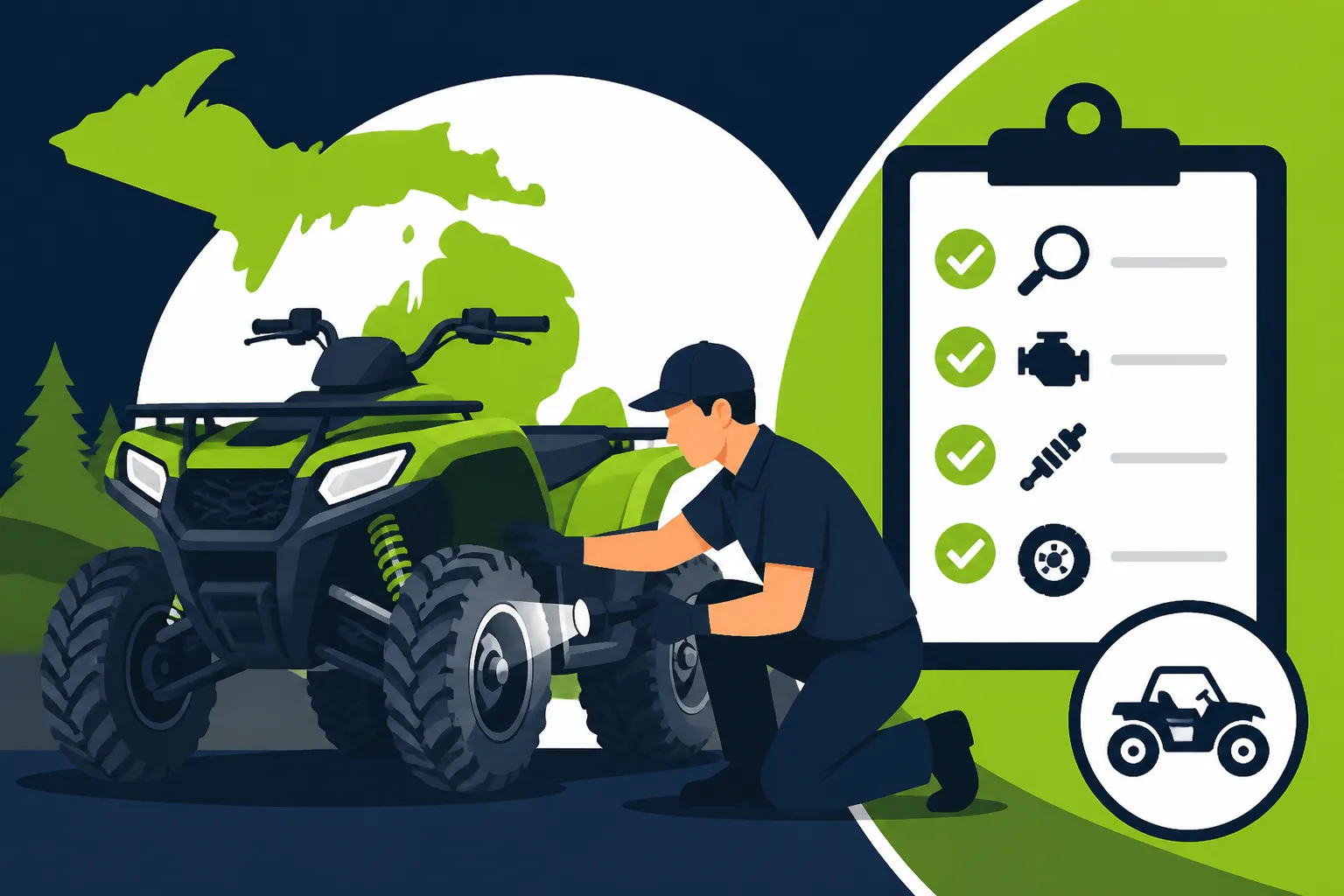
Even if you're not a seasoned mechanic, there's a lot you can check yourself to get a good sense of an ATV or UTV's condition. Bring a flashlight, a rag, and maybe even a small magnet (to check for body filler) to your appointment. Don't be shy about getting down and dirty – this is your money on the line.
The Visual Walk-Around: First Impressions Matter
Start with a slow, deliberate walk-around, taking in the entire machine. This initial visual scan can reveal a surprising amount.
- Frame: This is the backbone of the machine. Look for any signs of cracks, bends, or poor welds, especially around suspension mounting points, engine mounts, and foot pegs. These often indicate a major impact or severe stress. Shine your flashlight into hard-to-see areas.
- Plastics and Bodywork: While cosmetic, excessive damage here can hint at rough use. Are there large cracks, missing pieces, or areas held together with zip ties? Mismatched plastic colors could mean parts were replaced after a crash. Check how panels align; significant gaps might suggest frame issues underneath.
- Tires and Wheels: Examine the tires for tread depth and even wear. Uneven wear can signal alignment problems or worn suspension components. Check the sidewalls for cracks or bulges. Look at the wheels for dents, bends, or cracks, particularly on the inner edges. Spin each wheel by hand to check for play in the bearings.
- Fluids and Leaks: Get under the machine if you can and look for any drips or wet spots. Check the engine oil, transmission fluid, coolant, and brake fluid levels and colors. Dark, sludgy oil, low coolant, or discolored brake fluid can indicate neglect. Pay attention to the seals around the engine, differentials, and shock absorbers for any leaks.
- Lights and Electrical: Test all lights – headlights, taillights, brake lights – and the horn. Check the wiring harness for any frayed wires, exposed connections, or amateurish splicing, which can lead to electrical nightmares. Make sure the battery terminals are clean and tight.
Diving Deeper: Engine, Drivetrain, and Suspension
Now it's time to get a bit more hands-on and listen to what the machine is telling you. This part requires the seller's cooperation, so make sure they're prepared for you to spend some time with the machine.
- Engine: Insist on a cold start. A healthy engine should fire up relatively easily without excessive cranking. Listen for any knocking, ticking, or grinding noises that don't sound right. Watch the exhaust for excessive smoke – blue smoke often indicates burning oil, while white smoke can point to coolant issues. Let it idle for a few minutes; listen for stability.
- Transmission and Drivetrain: With the engine running, test all gears. Shift through them slowly, listening for any harsh clunks or difficulty engaging. If it's a manual, check the clutch lever/pedal for smooth operation and proper engagement. For belt-driven CVT systems, listen for squealing or slipping. Check the drive shaft or chain for excessive play or wear. Grab each wheel and try to move it horizontally and vertically – excessive play in the axles or differentials is a red flag.
- Suspension and Steering: Grab the handlebars or steering wheel and check for excessive play or looseness. Turn the wheel fully from side to side; it should be smooth without binding. Look at the A-arms and tie rods for bends or damage. Inspect the shock absorbers for any fluid leaks (a clear sign of a worn seal). Bounce each corner of the machine – it should dampen quickly without excessive bounciness.
The Test Ride: Putting It Through Its Paces (Safely!)
If at all possible, take the machine for a test ride. This is where you really get a feel for how it performs under load and can confirm or rule out many of the issues you might have suspected visually. Always ride safely and within your skill level, preferably on open, flat terrain.
- Steering and Handling: Does it steer straight, or does it pull to one side? Is the steering loose or vague? Does it wander? These can indicate alignment problems or worn components.
- Acceleration and Braking: Does the engine pull strong and smoothly through the power band? Does it hesitate or bog down? Test the brakes (front, rear, and parking brake) individually and together. They should feel firm and stop the machine effectively without pulling or squealing excessively.
- Suspension Under Load: How does the suspension feel when you hit bumps or rough terrain? Does it absorb impacts smoothly, or does it bottom out easily?
- Noises and Vibrations: Listen for any new noises that crop up during the ride – clunks, rattles, squeaks, or unusual engine sounds under acceleration or deceleration. Feel for any excessive vibrations that weren't present at idle.
- Gears and Drivetrain: Ensure all gears engage smoothly, and there's no popping out of gear. If it's a 4×4, test the engagement of four-wheel drive.
When to Bring in the Pros: Expert Opinions Save Headaches
While a DIY inspection is a great first step, sometimes you just need a professional eye. Don't hesitate to invest in an expert inspection, especially for larger purchases or if your gut tells you something is off.
Identifying Red Flags That Warrant Professional Help
There are several scenarios where calling in a mechanic is strongly advisable:
- Uncertainty About Issues: If you've identified some concerning noises, leaks, or odd handling characteristics but aren't sure how serious they are, a professional can provide clarity. They can differentiate between a minor adjustment and a major repair.
- Evasive Seller: If the seller seems overly eager to rush the sale, won't allow a test ride, or becomes defensive when you ask detailed questions, that's a massive red flag. A reputable seller will be transparent.
- High-Value or Complex Machines: For newer, high-performance UTVs or ATVs with complex electronics, the cost of an inspection is a small price to pay to ensure you're not inheriting a money pit.
- Lack of Mechanical Experience: If you're new to powersports and don't feel confident assessing mechanical issues, a professional inspection provides invaluable peace of mind.
Finding a Reputable ATV/UTV Mechanic
Finding the right person to inspect your potential purchase is key. Start by looking for dedicated powersports dealerships – their service departments are usually well-equipped and experienced with specific brands. However, they can sometimes be more expensive. Independent ATV/UTV repair shops often offer a more personalized service at a potentially lower cost.
Ask for recommendations from local riding clubs, friends, or online forums. Check online reviews, too. When you call, explain you need a pre-purchase inspection for a used machine you're considering buying. They'll typically have a standard checklist and can give you an estimate of the cost and turnaround time. Be prepared to bring the machine to their shop, or in some rare cases, they might offer mobile inspections.
Leveraging the Inspection for Negotiation and Paperwork
The results of a professional inspection are powerful tools. If the mechanic uncovers issues, you can use that information to negotiate a lower price that accounts for the necessary repairs. For example, if they find worn ball joints and a leaking shock, you can present this to the seller and ask for a price reduction reflecting those repair costs.
Make sure any agreed-upon repairs or price adjustments are clearly documented in the bill of sale. A detailed bill of sale is crucial for your protection, and resources like LawDepot can provide customizable templates that ensure all the necessary information is included. This protects both you and the seller. Always ensure your [Michigan ATV Bill of Sale Template Requirements] are met, and don't forget to address if [Does a Michigan ATV Bill of Sale Need a Notary?].
The Paperwork Trail: What to Check Before Signing
Once you're satisfied with the physical condition of the ATV or UTV, it’s time to shift your focus to the administrative side. The paperwork might seem less exciting than the machine itself, but it's just as, if not more, important. Mistakes here can lead to huge headaches down the road.
Verifying the Title and VIN Number
This step is absolutely critical and should never be skipped. A clean title is your proof of legal ownership and is necessary to title the machine in your name in Michigan.
- Match VINs: The Vehicle Identification Number (VIN) is a 17-character code unique to each machine. Locate the VIN stamped on the ATV's frame (it's often on the front frame tube, near the handlebars, or on the lower left frame rail for UTVs – make sure you know [Where the VIN Is Stamped on an ATV or UTV]). Compare this number exactly to the VIN listed on the title. If there's any discrepancy, walk away. This could indicate a stolen machine, a title washing scheme, or an illegally rebuilt vehicle.
- Examine the Title for Alterations: Look for any signs of tampering on the title document itself – erasures, white-out, different handwriting, or suspicious smudges. A legitimate title should be clean and clear.
- Seller's Name vs. Title Name: The name of the seller must exactly match the name(s) printed on the title. If the seller tells you they're selling it for a friend or relative, or if the name on the title is different, this is a major red flag. They might not be the legal owner, or they could be "curbstoning" (selling vehicles without a dealer license). If there are multiple names on the title, ensure [Who Has to Sign a Michigan ORV Title] is clear.
- Check for Liens: A lien means someone else has a financial claim on the vehicle (usually a bank or credit union). The seller cannot legally transfer a clear title until any liens are satisfied. Look for a "lienholder" section on the title. If there is one, ensure you get a lien release document directly from the lienholder when the sale is complete. Never assume the seller has paid it off. Understanding [Liens on a Michigan ORV Title] is crucial.
The Importance of a Solid Bill of Sale
Even with a perfectly clear title, a comprehensive bill of sale is your best friend when buying a used ATV or UTV. This document formalizes the transaction and protects both the buyer and the seller.
- Essential Information: A good bill of sale should include:
- Full legal names, addresses, and contact information for both buyer and seller.
- The date of the sale.
- A detailed description of the ATV/UTV, including make, model, year, and the full VIN.
- The agreed-upon purchase price.
- A statement that the vehicle is sold "as-is" (unless specific warranties are agreed upon, which is rare for private sales).
- Signatures of both buyer and seller.
- Protection for Both Parties: For you, the buyer, it proves you purchased the machine legally and for what price. This is vital for titling and tax purposes. For the seller, it proves they no longer own the machine after a certain date, protecting them from liability. LawDepot is an excellent resource for creating legally sound bill of sale documents, ensuring you don't miss any critical details.
Understanding Michigan's Titling and Tax Rules
Once you've sealed the deal, your next step is to make it officially yours in the eyes of the state of Michigan. There are specific timelines and taxes you'll need to be aware of.
Michigan gives you a relatively short window – typically [Michigan Gives You 15 Days to Title an ORV] from the date of purchase – to transfer the title into your name. Failing to do so can result in late fees. When you buy from a private seller, you'll also be responsible for paying sales tax, often referred to as use tax, directly to the Secretary of State when you process the title transfer. Be prepared for [Michigan ORV Sales Tax at a Secretary of State Branch] and have an idea of the amount, which is calculated based on the purchase price you declare on the bill of sale. Make sure the title is properly completed and signed by all previous owners as outlined in [Who Has to Sign a Michigan ORV Title].
Ultimately, taking the time for a thorough pre-purchase inspection and meticulous paperwork review is not just a suggestion; it's a vital part of responsible ATV or UTV ownership. It saves you money, enhances your safety, and ensures your off-road adventures in Michigan start on the right foot.
Pre-Purchase Inspection Checklist Summary
To help you remember all the key points, here's a quick summary checklist you can use when you're looking at a used ATV or UTV.
| Category | Item to Check | What to Look For (Red Flags) |
|---|---|---|
| Documentation | Title/VIN Match | VIN on title must match VIN on machine. No alterations on title. |
| Seller's ID vs. Title | Seller's name must match title. | |
| Liens | Check for lienholders; ensure lien release if applicable. | |
| Bill of Sale | Complete, signed, accurate details, VIN, price, date. | |
| Visual Walk-Around | Frame | Cracks, bends, re-welds, severe rust. |
| Plastics/Bodywork | Major cracks, missing pieces, mismatched colors, excessive zip ties. | |
| Tires/Wheels | Uneven wear, cracks, bulges on tires; bent, cracked, or loose wheels. | |
| Leaks | Oil, coolant, brake fluid, or diff fluid drips/wetness. | |
| Electrical/Lights | Frayed wires, non-functional lights/horn. | |
| Engine & Drivetrain | Cold Start | Difficulty starting, excessive cranking, rough idle. |
| Engine Noises | Knocking, ticking, grinding, excessive smoke (blue/white). | |
| Fluids | Low levels, discolored/sludgy oil or coolant. | |
| Transmission/Clutch | Hard shifting, grinding, slipping, popping out of gear. | |
| Drivetrain | Excessive play in axles, U-joints, drive shaft, worn chain/sprockets. | |
| Suspension & Steering | Steering | Excessive play, binding, pulling to one side. |
| Suspension Components | Bent A-arms/tie rods, worn bushings, leaking shocks, excessive bounce. | |
| Test Ride (if possible) | General Performance | Hesitation, bogging, loss of power, abnormal noises/vibrations under load. |
| Braking | Spongy feel, pulling, poor stopping power. | |
| Handling | Unstable, vague, or unresponsive steering. | |
| Other | Overall Condition | Signs of neglect, severe abuse, or poor maintenance (e.g., rusted bolts, stripped heads). |
| Hour Meter/Odometer (if present) | Consider if consistent with apparent wear and seller claims. |
Disclaimer
This article is for general informational purposes only and does not constitute professional advice. Laws, prices and regulations vary by location and change over time. Consult a qualified professional for guidance on your specific situation.