Fixing a Wrong VIN on a Michigan ORV Title
There are few things more frustrating than finally getting your hands on that shiny, new-to-you off-road vehicle, only to discover a glaring error on the official title document – specifically, a mismatched Vehicle Identification Number (VIN). This isn't just a minor typo; a wrong VIN can grind your riding plans to a halt, make it impossible to legally register or sell your machine, and leave you feeling completely stuck. This guide is here to walk you through exactly what to do when you find yourself in this messy situation with a Michigan ORV title.
The Frustration of a VIN Mismatch: Why It Happens
Finding a VIN error on your ORV title can feel like hitting a brick wall right when you’re ready to hit the trails. You’ve gone through the process, paid your money, and now this crucial piece of paper is wrong. It’s not just an inconvenience; it can truly put a damper on your excitement and create a significant legal headache. The VIN is essentially your ORV's fingerprint, and if the number on the title doesn't match the one stamped on the machine, you've got a problem that needs fixing.
Common Scenarios Leading to VIN Errors
So, how does this even happen? Unfortunately, VIN errors can creep into the title process in several ways, often through simple human error, but sometimes through more complex circumstances. One very common scenario is a simple clerical mistake during the title application process at a dealership or even by the previous owner during a private sale. A transposed digit, a skipped character, or misreading a hand-written VIN can easily lead to a discrepancy. Imagine a busy clerk quickly typing out the 17-character VIN from a smudged piece of paper, and an '8' becomes a 'B' or a '0' becomes an 'O' – it happens more often than you’d think.
Another scenario could involve the ORV itself. Perhaps the machine had a previous owner who swapped out a frame or engine and didn't update the VIN correctly on their end, leading to a confusion of identity down the line. In some rare cases, especially with older or rebuilt machines, there might be a discrepancy between the VIN on an engine versus the frame, and the wrong one was recorded on the title. Sometimes, if an ORV was purchased out of state and brought into Michigan, the conversion of documents could introduce an error if the initial paperwork was incomplete or unclear. Regardless of how it happens, the burden often falls on the current owner to rectify the situation.
The Ramifications of an Incorrect VIN
An incorrect VIN on your Michigan ORV title isn't just an aesthetic flaw; it carries serious legal and practical ramifications. First and foremost, you won't be able to legally register your ORV with the Michigan Department of Natural Resources (DNR) for trail use or obtain an ORV sticker. Without a matching title, your machine is essentially untraceable and unidentifiable, which can lead to complications with law enforcement if you're stopped on a public trail or road. Imagine getting a ticket for operating an "untitled" ORV simply because the paperwork has a typo – it's a real possibility and an unnecessary stressor.
Beyond legal operation, an incorrect VIN can create a nightmare when you decide to sell the machine down the road. A prospective buyer, if they're savvy, will always check the VIN on the title against the physical VIN on the ORV. If there's a mismatch, they'll likely walk away, fearing potential theft issues or a fraudulent sale. Banks and lenders also heavily rely on accurate VINs for financing and lien purposes; a discrepancy could prevent you from securing a loan or cause problems if you ever need to process an insurance claim. An accurate VIN is the cornerstone of legal ownership and trouble-free enjoyment of your ORV. [Michigan ORV Title Problems and How to Clear Them] can be a useful resource to understand the broader implications of title issues.
Essential First Steps When You Spot a VIN Mistake
So, you’ve discovered the dreaded VIN mismatch. Take a deep breath. While it’s certainly frustrating, it’s a fixable problem in most cases. The key is to approach it systematically, gather your information, and understand who needs to be involved. Panicking won’t help, but being prepared and persistent will definitely pave the way for a smoother resolution.
Gathering Your Documentation The Paper Trail
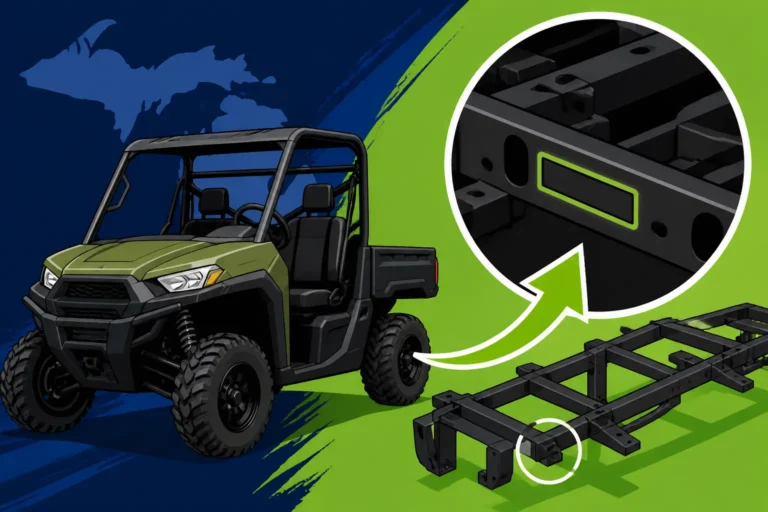
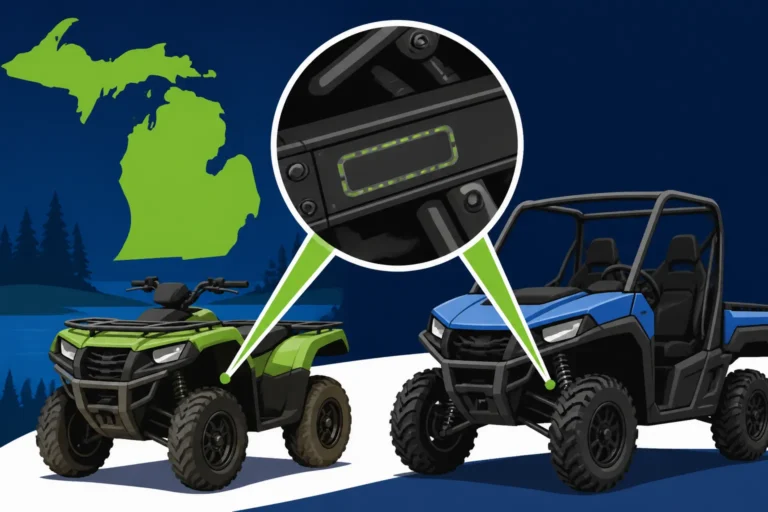
Before you even think about contacting anyone, your first and most crucial step is to gather every single piece of documentation related to your ORV purchase. Think of yourself as a detective building a case. This includes your Michigan ORV title (the one with the error), the bill of sale, any purchase agreements from a dealer, receipts, and importantly, photographs of the actual VIN stamped on the ORV itself. You'll usually find the VIN stamped on the frame, often near the front wheels, under the seat, or on the lower left side of the frame near the engine. Make sure these photos are clear and legible.
Having all these documents organized will be incredibly helpful when you speak to the seller, the dealer, or the Michigan Secretary of State. You’ll be able to quickly reference dates, purchase prices, and most importantly, show definitive proof of the correct VIN on the machine itself. Without this paper trail, explaining the situation and getting others to believe you about the error becomes significantly harder. This comprehensive collection of documents will be your strongest ally in correcting the mistake. [Michigan ATV Bill of Sale: What to Put in It] offers excellent guidance on ensuring your initial purchase documentation is thorough.
Who to Contact First: Dealer, Seller, or SOS?
Once you have your paperwork in order, the next step is determining who to contact first. This largely depends on how you acquired the ORV.
If you purchased the ORV from a licensed Michigan dealer, your first call should always be to them. Dealers are typically responsible for submitting accurate title applications to the Michigan Secretary of State. If the error originated during their paperwork process, they are usually in the best position to help rectify it. They often have established procedures for correcting these types of mistakes, and they have a vested interest in maintaining a good reputation and ensuring their customers are satisfied. Be ready to provide them with copies of your title, bill of sale, and photos of the correct VIN on your machine.
If you bought the ORV from a private seller, the situation can be a bit trickier. Your initial contact should still be with the seller. They are the ones who transferred ownership to you, and ideally, they would have provided an accurate title. However, if the error was present on the title before they sold it to you, or if they made a mistake when signing it over, you'll need their cooperation. If the seller is unresponsive or unwilling to help, or if the error was clearly made by the Secretary of State despite correct information from the seller, then your next step will be to approach the Michigan Secretary of State directly. [Michigan Title Transfer When You Buy From a Private Seller] highlights common issues that can arise in private sales.
Correcting a VIN Error on a Dealer-Issued Title
When you purchase an ORV from a reputable dealer, you generally expect the title process to be smooth and error-free. After all, they handle these transactions constantly. However, mistakes can still happen, and when they do, your primary recourse often begins right back where you bought the machine. Dealers, being businesses, usually have a process in place to correct such discrepancies.
Working With the Dealership to Amend the Title Application
If you bought your ORV from a dealership and discovered a VIN error on the title, your first course of action is to contact the dealer's finance or title department immediately. Explain the situation clearly, stating that the VIN on the title does not match the VIN physically stamped on the vehicle. Be prepared to provide them with all the documentation you've gathered: the incorrect title, your bill of sale, and clear photographs of the actual VIN on the ORV.
Most reputable dealerships will take this seriously and work with you to amend the title application. They will typically have their own forms or procedures for requesting a correction from the Michigan Secretary of State. This might involve them preparing an affidavit of correction or a revised title application on your behalf. You may need to visit the dealership in person to sign new paperwork. The dealer will then submit these corrected documents to the Secretary of State, hopefully resulting in a new, accurate title being issued to you. Remember, their goal is customer satisfaction and avoiding future legal headaches, so they should be motivated to help resolve this efficiently.
When the Dealer is Unresponsive or Unable to Help
While most dealers are cooperative, there might be instances where the dealership is unresponsive, goes out of business, or claims they are unable to help. This can certainly add another layer of frustration to an already annoying situation. If you hit a wall with the dealer, it doesn't mean you're out of options, but it does mean you'll have to take a more direct approach with the Michigan Secretary of State.
In such cases, you will need to compile all your original purchase documents, the incorrect title, and any correspondence you've had with the dealership. You'll then need to contact the Michigan Secretary of State (SOS) directly. They have specific procedures for handling title corrections, even when the original submitting party (the dealer) isn't cooperating. You might need to fill out an affidavit explaining the error and providing proof of the correct VIN. It's a bit more legwork on your part, but the SOS is the ultimate authority for issuing titles, and they can often initiate corrections with proper documentation. Make sure to clearly explain the situation, present all your evidence, and follow their instructions carefully. [Documents to Bring to a Secretary of State ORV Appointment] will be essential for this direct approach.
Fixing a VIN Error on a Private Sale ORV Title
Private sales of ORVs are incredibly common in Michigan, offering a great way to find a used machine. However, they can also introduce unique challenges, especially when it comes to title paperwork. When a VIN error surfaces after a private transaction, the path to correction often relies heavily on the cooperation of the previous owner.
Contacting the Previous Owner for Corrections
If you purchased your ORV through a private sale and later discovered a VIN mismatch on the title, your first and most direct route is to contact the seller. They are the person who signed over the title to you, and they would have either made the error themselves when completing the transfer or overlooked an existing error from a previous owner. Explain the issue politely but firmly, emphasizing that the VIN on the title does not match the machine, which makes it impossible for you to legally own or register it.
You'll need their assistance to correct the title. This might involve them signing an affidavit of correction or accompanying you to a Michigan Secretary of State office to amend the title application. Ideally, they'll be understanding and willing to help resolve the issue. Be prepared to show them the discrepancy, presenting the incorrect title, your bill of sale, and the clear photos of the actual VIN on the ORV. If you used a detailed bill of sale, perhaps one created using a template from a service like LawDepot, it might have specific clauses about the accuracy of the vehicle description, which could strengthen your position. Their signature on a corrected document will be critical for the Secretary of State to process the change.
What to Do When the Seller is Unavailable or Uncooperative
Unfortunately, private sellers aren't always easy to track down or cooperative once the sale is complete. If the seller is unresponsive, has moved, or simply refuses to help you correct the VIN error, the situation becomes more complex, but not impossible. This is where you might feel truly stuck, but don’t give up hope.
In these challenging circumstances, you will need to approach the Michigan Secretary of State directly with as much evidence as possible. You'll need to submit an application for a corrected title along with all available proof of ownership, including the faulty title, your bill of sale (especially if it clearly details the correct VIN, perhaps a [Michigan ATV Bill of Sale: What to Put in It] template from LawDepot was used), and photos of the ORV’s VIN. You will likely need to write a detailed letter or affidavit explaining the entire situation, including your attempts to contact the seller and their lack of cooperation. The Secretary of State may have you fill out a specific form for title corrections or require further investigation. In some rare and extreme cases, particularly if proof of ownership is really murky due to the VIN discrepancy and an uncooperative seller, you might even need to explore options like a bonded title or a court order, though these are typically last resorts. Knowing [What the Michigan Secretary of State Needs to Title an ORV] will help you prepare for this process.
The Secretary of State's Role in VIN Corrections
Ultimately, the Michigan Secretary of State (SOS) is the governmental body responsible for issuing and maintaining all vehicle titles, including those for ORVs. Even if you start the process with a dealer or private seller, the final approval and issuance of a corrected title will always come from the SOS. Understanding their procedures is key to successfully navigating this often bureaucratic process.
Required Forms and Procedures for VIN Adjustments
When you need to correct a VIN error, especially if the original submitting party (dealer or private seller) isn't fully resolving it, you'll be working directly with the Michigan Secretary of State. They have specific forms and procedures designed for title corrections. The primary form you'll likely encounter is the "Application for Michigan Vehicle Title." While this is used for new titles, it's also the basis for requesting changes. You'll need to indicate that you are requesting a correction or amendment to an existing title.
Along with the application, you'll need to submit the incorrect title, your bill of sale, and any other supporting documentation, such as affidavits from the seller (if cooperative) or clear photographs of the correct VIN on the ORV. The SOS may also require a pencil tracing or an inspection of the VIN on the machine to verify its authenticity. Be prepared for a visit to a Secretary of State branch office. It's often best to make an appointment to ensure you have enough time to discuss your complex situation with a clerk. They will review all your documents and, if satisfied, process the request for a corrected title. Patience is definitely a virtue here. You can usually find the [Michigan ORV Title Application Form and Where to Get It] directly from the SOS website.
Potential Hurdles and How to Overcome Them
Navigating the Secretary of State's process for VIN corrections isn't always a straight shot. You might encounter a few hurdles that can test your patience. One common hurdle is simply the bureaucracy itself – different clerks might interpret rules slightly differently, or your specific situation might be unusual enough to require supervisor approval. To overcome this, remain polite, organized, and persistent. Always bring copies of all your documents, even if you think they won't be needed, and be prepared to explain your story clearly and concisely multiple times if necessary.
Another potential hurdle could be the requirement for an actual VIN inspection. If the discrepancy is significant or if the ORV has a history of multiple owners, the SOS might want to visually verify the VIN on the machine. This would involve taking the ORV to a specific inspection location or arranging for an officer to view it. If the VIN on the ORV appears tampered with or is completely illegible, that presents a much larger problem, potentially leading to questions about the ORV's legitimacy. A [VIN Inspection Requirements for a Michigan ORV Title] might be necessary. In most cases, however, with clear evidence and a cooperative attitude, the Michigan Secretary of State can issue you a correct title, allowing you to finally get your ORV legally titled and ready for the trails.
Preventing VIN Errors Before They Become a Headache
Dealing with a VIN error on an ORV title is a hassle no one wants. The best approach, naturally, is to prevent it from happening in the first place. A little diligence upfront can save you a significant amount of stress, time, and potential money down the line. It's all about being thorough and double-checking everything before you commit to a purchase.
The Importance of a Thorough VIN Check During Purchase
When you're excited about buying a new ORV, it's easy to get caught up in the thrill and overlook the meticulous details. However, conducting a thorough VIN check is absolutely paramount, whether you're buying from a dealer or a private seller. Before any money changes hands or any paperwork is signed, physically locate the VIN on the ORV itself. Compare this VIN character for character with the VIN printed on the title document the seller provides. Don't just glance at it; read it aloud if you have to, ensuring every number and letter matches perfectly.
This physical inspection helps confirm not only that the title belongs to that specific ORV but also that the VIN hasn't been tampered with. If you notice any signs of alteration on the physical VIN plate or stamping, that's an immediate red flag, and you should walk away from the deal. Additionally, consider running a VIN check through a service like the NICB (National Insurance Crime Bureau) to see if the ORV has been reported stolen or has a salvage history. Taking these extra steps during the pre-purchase inspection can prevent you from inheriting a major title headache. [How to Check If an ATV Is Stolen Before You Buy] offers detailed advice on this critical step.
Double-Checking All Paperwork Before You Sign
Beyond checking the VIN on the machine itself, it’s equally important to meticulously review all the paperwork before you put your signature on anything. This includes the bill of sale, the title, and any financing agreements. When a dealer or private seller fills out a bill of sale or transfers a title, they are often doing it quickly, and typos can easily occur. Before you complete the transaction, take your time to read every single detail.
Pay particular attention to the VIN listed on the bill of sale, the selling price, and the names of the buyer and seller. Ensure that the VIN on the bill of sale matches the VIN on the title, and both of those match the VIN on the physical ORV. If you're using a generic bill of sale or a template, make sure it’s filled out completely and accurately. Services like LawDepot provide customizable bill of sale templates that can help ensure all necessary information, including the correct VIN, is captured correctly from the start. Never rush this part of the process. If anything looks incorrect or incomplete, ask for it to be fixed before you sign. It’s far easier to correct an error on a piece of paper before it's submitted to the state than after a title has already been issued with a mistake.
Comparing Title Correction Scenarios
To help visualize the different paths you might take depending on your purchase scenario, here's a quick comparison:
| Scenario | Initial Action | Key Documents Needed | Potential Hurdles | Secretary of State Involvement (If Needed) |
|---|---|---|---|---|
| Dealer Sale | Contact the Dealership's Title Dept. | Incorrect Title, Bill of Sale, VIN Photos | Dealer uncooperative, slow response | Direct application, Affidavit of Correction |
| Private Sale (Seller Coop.) | Contact the Previous Seller | Incorrect Title, Bill of Sale, VIN Photos | Seller busy, scheduling difficulties | Joint application or seller's signed affidavit |
| Private Sale (Seller Uncoop.) | Direct to Michigan SOS | Incorrect Title, Bill of Sale, VIN Photos, Proof of Attempts to Contact Seller | Lack of seller's signature, extensive explanation | Affidavit of Correction, possible VIN inspection |
This table illustrates that while the documents are fairly consistent, the approach and the challenges can vary significantly based on who you're dealing with. Being prepared for any of these scenarios will make the process much smoother. When it comes to complex issues, don't hesitate to seek out resources like [Michigan ORV Title Application and What It Costs] or [Michigan ORV Sales Tax at a Secretary of State Branch] to understand the full financial and procedural implications. It can also be helpful to know about [Replacing a Lost Michigan ORV Title] if the entire document goes missing during this ordeal.
Correcting a VIN error on your Michigan ORV title is certainly a chore, but it's a necessary one. By understanding the common causes, knowing who to contact, and preparing all your documentation meticulously, you can navigate this bureaucratic maze and get your machine properly titled. Remember, persistence is key, and taking the time to ensure accuracy upfront is always the best prevention. Enjoy those trails safely once your paperwork is sorted!
Disclaimer
This article is for general informational purposes only and does not constitute professional advice. Laws, prices and regulations vary by location and change over time. Consult a qualified professional for guidance on your specific situation.