Buying an ATV From a Michigan Dealer: What the Dealer Files
Buying a new or used ATV or UTV from a Michigan dealer is an exciting time, but the joy of a fresh machine can sometimes be overshadowed by questions about paperwork. Many riders worry about what documents they'll need, what the dealer will handle, and when they can finally hit the trails. This comprehensive guide will walk you through the entire process of what a Michigan dealer files on your behalf, ensuring you understand every step from the showroom floor to receiving your official title.
The Initial Excitement and the Paperwork Reality
The moment you decide on that shiny new quad or rugged side-by-side, a surge of adrenaline usually kicks in. You're already picturing yourself conquering dunes or navigating winding forest trails. While that excitement is absolutely justified, it's also the point where the practicalities of ownership, specifically the paperwork, begin to surface. When you purchase from a licensed Michigan dealer, a significant portion of this administrative burden is lifted from your shoulders, but it's still crucial to understand what's happening behind the scenes.
From Showroom Floor to Your Garage: The Basics
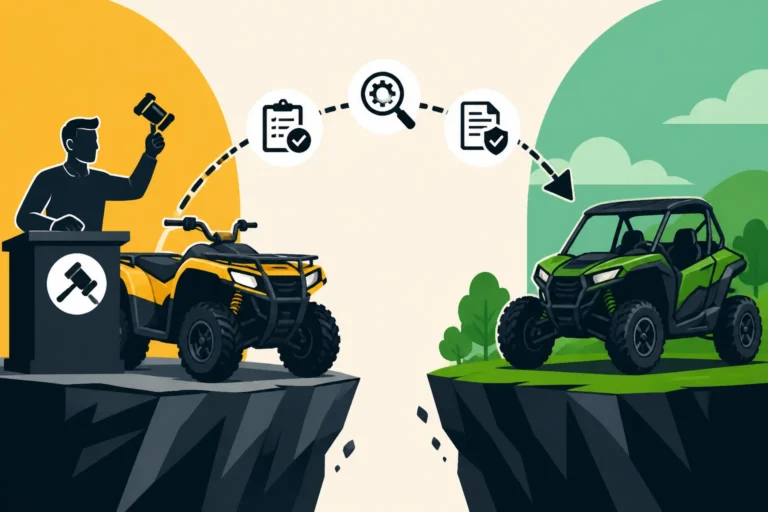
The process typically starts with the sales agreement. This document outlines the purchase price, any trade-in value, taxes, fees, and financing terms. Once you've agreed to the numbers, the dealer transitions into the administrative phase, which includes preparing the necessary documents for the Michigan Secretary of State. They'll collect your personal information, verify your identity, and begin the actual title application process. This often happens concurrently with securing financing or processing your payment. It's a flurry of signatures and forms, all designed to legally transfer ownership from the dealership to you. You'll likely leave the dealership with a temporary purchase agreement and maybe a temporary permit, but the official title will follow.
Why the Dealer Handles It: Convenience vs. DIY
One of the biggest advantages of buying from a Michigan dealer is the convenience of having them handle the title and tax paperwork. Imagine trying to navigate the Michigan Secretary of State's forms, calculate sales tax accurately, and ensure every detail is correct yourself – it can be a real headache, especially if you're not used to it. Dealers are well-versed in these procedures; they process these transactions daily and have established systems to ensure compliance with state regulations. They know exactly which forms to fill out, what information is required, and how to submit everything efficiently. This eliminates the need for you to make a separate trip to the Secretary of State's office, stand in line, and potentially run into issues with incorrect or missing documentation. While you could certainly do it yourself, the dealer's expertise saves you time, stress, and the potential for errors that could delay your ownership. This is a stark contrast to a private sale where the buyer is typically responsible for filing their own title application and paying [Michigan Use Tax on a Private-Party ATV Sale].
Key Documents Your Dealer Prepares and Files
When you buy an ATV or UTV from a Michigan dealer, they act as an agent for the state, streamlining the often-complex process of transferring ownership and ensuring all legal requirements are met. This involves handling several critical documents on your behalf, which are then submitted to the Michigan Secretary of State. Understanding these documents empowers you to ask the right questions and verify that everything is in order.
The Title Application: Form RD-108 and Its Importance
At the heart of every ORV purchase from a dealer is the Michigan Application for Certificate of Title and Registration, commonly known as Form RD-108. This is the official document that formally requests the state to issue a new title in your name. Your dealer will meticulously complete this form, including details like the vehicle identification number (VIN) of your ATV or UTV, the make, model, year, and purchase price. They'll also input your personal information as the new owner. The RD-108 is critical because it's the direct conduit for transferring legal ownership. Without it, the Secretary of State cannot issue a title. The dealer ensures all fields are accurately filled, reducing the chance of delays or having to deal with [Fixing a Wrong VIN on a Michigan ORV Title] later on. It’s their responsibility to ensure this document is correct before submission, as it forms the basis of your legal ownership of the machine.
Sales Tax Collection and Remittance
One of the most significant services a dealer provides is the collection and remittance of Michigan sales tax. When you buy an ORV from a dealer, they are legally required to collect the state's sales tax, which is currently a specific percentage of the purchase price. This amount is typically itemized on your sales agreement. The dealer then sends this collected tax directly to the State of Michigan on your behalf. This is a huge convenience, as it means you don't have to worry about calculating it yourself or making a separate payment to the state. This differs from buying from a private seller, where you, the buyer, are responsible for calculating and paying the sales tax directly to the Secretary of State when you apply for the title. If you're comparing buying from a dealer versus handling it yourself, remember that a dealer takes care of [Michigan ORV Sales Tax at a Secretary of State Branch] so you don't have to.
The Bill of Sale: More Than Just a Receipt
While the title application is for the state, the bill of sale is your personal record of the transaction. It's much more than just a receipt; it's a legal contract between you and the dealership. Your dealer will provide you with a detailed bill of sale that includes crucial information such as the full legal names and addresses of both buyer and seller (the dealership), the date of the sale, a clear description of the ATV or UTV (including its VIN, make, model, and year), the final agreed-upon purchase price, and any trade-in details. This document serves as undeniable proof of purchase and ownership, especially while you're waiting for your official title to arrive. It's smart to keep this document in a safe place. While dealers use their own standardized forms, understanding the components of a comprehensive bill of sale, perhaps by looking at examples from resources like LawDepot, can help you ensure all necessary details are included and protect your interests in the long run.
What You, the Buyer, Need to Provide
While the dealer takes on much of the administrative heavy lifting, there are still crucial pieces of information and documentation you, as the buyer, must provide. Being prepared with these items will ensure a smooth and quick transaction, getting you on the trails faster.
Personal Information and ID Verification
To complete the title application and other necessary paperwork, the dealership will require specific personal information from you. This includes your full legal name, current Michigan residential address, date of birth, and driver's license number. They will also need to verify your identity, so be prepared to present a valid, government-issued photo ID, such as a Michigan driver's license or state ID card. If you are purchasing the ORV with another person, for example, a spouse or family member, both individuals will typically need to be present with their respective IDs, as both names will appear on the title. Accuracy in this step is paramount; any discrepancies can lead to significant delays or even issues down the road when you attempt to renew permits or sell the machine.
Payment Methods and Proof of Funds
The way you intend to pay for your new ATV or UTV will determine what financial documentation you need to provide. If you're paying in cash, some dealers may have limits or require specific procedures for large sums, often for anti-money laundering regulations. For checks, a personal check might be accepted, but often a certified check or cashier's check from your bank is preferred, especially for the final payment. If you're financing the purchase, you'll need to provide all the necessary financial information required by the lender, which the dealer will facilitate. This typically includes income verification, credit history checks, and sometimes proof of existing bank accounts. Be ready to share these details, as they are crucial for the dealer to finalize your financing package.
Trade-Ins: Documentation and Valuation
If you're trading in an existing ATV or UTV to offset the cost of your new purchase, there's additional documentation you'll need to bring. Most importantly, you must have the clear title for your trade-in. If there's still a lien on your trade-in (meaning you haven't fully paid off a previous loan), you'll need to bring proof of that lien, along with the lender's contact information. The dealer will then work with you and the lender to pay off the old loan and secure the title. The dealer will inspect your trade-in, assess its condition, mileage or hours, and market value to determine the [Trade-In Credit on a UTV at a Michigan Dealer] you'll receive. Having all your trade-in's paperwork in order beforehand can significantly speed up the negotiation and finalization process, ensuring a smooth transition from your old machine to your new one.
Beyond the Title: Other Dealer Services and What They Mean
While securing your title is a primary function, Michigan ORV dealers often offer additional services designed to make your post-purchase experience as seamless as possible. These extra offerings can save you time and hassle, ensuring you're fully prepared to enjoy your new machine from day one.
ORV Trail Permits and Recreation Passports
Michigan has specific requirements for riding off-road, including the need for an ORV License and a separate ORV Trail Permit if you plan to use designated trails. Many dealers offer the convenience of purchasing these permits directly at the time of sale. This means you won't have to make an extra stop at a Secretary of State branch or an authorized retailer. They can affix the ORV license sticker to your machine and provide you with proof of your trail permit, allowing you to legally hit the trails immediately. Similarly, some dealers may also offer to add a Michigan Recreation Passport to your purchase, especially if you also have a new vehicle or are renewing your license plate. While primarily for state park and recreation area access, it's often a good idea to have, especially if your ORV plans include staging at state-run trailheads. Understanding [Michigan ORV License and Trail Permit Explained] and [The Michigan Recreation Passport ORV Riders Need] will help you decide if you want the dealer to handle these for you.
Insurance Options and Initial Coverage
Before you even think about firing up that engine and heading out, securing proper insurance for your new ATV or UTV is paramount. While Michigan doesn't always mandate liability insurance for ORVs used solely off-road, it's highly recommended, and essential if you plan to operate your machine on roads open to ORVs. Many dealers have partnerships with insurance providers or can connect you with agents who specialize in ORV coverage. They might even be able to offer you a temporary binder or initial policy to ensure you're covered from the moment you drive off the lot. Discussing your insurance needs with the dealer can be a convenient way to get immediate quotes and coverage, saving you the legwork of finding an independent agent. Reviewing [Michigan ORV Insurance and When You Actually Need It] can help you understand your options before visiting the dealer.
Financing Agreements and Liens
If you're not paying cash, the dealer plays a crucial role in facilitating your financing. They work with various lenders to find a loan package that suits your budget and credit profile. This involves submitting your financial application, receiving approvals, and preparing all the necessary loan documents for you to sign. When you finance an ORV, the lender typically places a lien on the vehicle's title. This means the lender retains a legal interest in your ATV or UTV until the loan is fully paid off. The dealer will ensure this lien information is properly recorded on the title application (Form RD-108) before it's submitted to the Michigan Secretary of State. Once your loan is paid in full, the lienholder will issue a lien release, allowing you to obtain a clear title. The dealer handles the initial setup, ensuring the lien is correctly recorded so you don't face complications later when [Getting the Title After an ORV Loan Is Paid].
The Timeline and What to Expect After the Sale
Once the ink is dry and your payment or financing is secured, the dealer's administrative team swings into action, initiating the official transfer of ownership. While the excitement might make you want your title instantly, there's a specific process and timeline involved that's important to understand.
Waiting for Your Official Michigan ORV Title
After the dealer submits all the necessary paperwork, including the completed Form RD-108 and sales tax, to the Michigan Secretary of State, there's a waiting period. The Secretary of State's office processes applications in batches, and while dealers aim for efficiency, the state's processing times can vary. Typically, you can expect your official Michigan ORV title to arrive in the mail within a few weeks. However, during peak seasons or due to unforeseen delays, it could take a bit longer. The dealer should be able to give you an estimated timeframe. While waiting, the bill of sale serves as your proof of ownership. For a detailed look at the expected waiting period, you can refer to [How Long a Michigan ORV Title Takes to Arrive]. It’s a good practice to keep the dealer’s contact information handy in case you need to inquire about the status of your title application.
Temporary Plates or Permits for Immediate Riding
Michigan law grants you a short window to operate your newly purchased ORV before the official title arrives. Specifically, [Michigan Gives You 15 Days to Title an ORV]. When you buy from a dealer, they often provide you with a temporary permit or a copy of your purchase agreement that serves as temporary proof of ownership. This allows you to legally ride your machine for a limited period while the title is being processed. It's crucial to carry this temporary documentation with you whenever you operate the ORV, especially if you venture onto public trails or roads where you might encounter a conservation officer or law enforcement. Make sure to clarify with your dealer what temporary documentation they provide and how long it is valid for, so you can enjoy your new ride without any unnecessary stress about legality.
Common Pitfalls and How to Avoid Them
Even with a dealer handling most of the paperwork, issues can sometimes arise. One common pitfall is incorrect information on the title application. Double-check your name, address, and the vehicle's VIN on all documents before you sign. Mistakes here can lead to delays and require extra trips to the Secretary of State or back to the dealer to correct. Another issue could be delays in the dealer submitting the paperwork. While they usually operate efficiently, sometimes things can get overlooked. Always keep copies of all the documents you signed, including the bill of sale and any temporary permits. If you haven't received your title within the expected timeframe, don't hesitate to follow up with the dealership. They should be able to track the status of your application. Also, ensure you understand the terms of your financing and insurance before leaving the dealership to avoid any unexpected surprises later. Being proactive and meticulously reviewing all paperwork, perhaps even comparing it mentally to templates you might find on legal document sites like LawDepot for standard contracts, can help you catch potential issues early.
| Document Type | Prepared By | Filed By | Primary Purpose | Your Responsibility |
|---|---|---|---|---|
| Bill of Sale | Dealer | You (copy) | Proof of purchase, sales contract | Keep a copy, verify details |
| Title Application (RD-108) | Dealer | Dealer | Request new ORV title in your name | Verify your info, sign |
| Sales Tax Remittance | Dealer | Dealer | Pay sales tax to Michigan | Pay the tax to the dealer |
| Financing Agreement | Dealer/Lender | Lender (lien info) | Loan terms, establishes lien | Understand terms, sign |
| ORV Trail Permit | Dealer (optional) | You (display) | Legal access to Michigan ORV trails | Decide to purchase, display sticker |
| Recreation Passport | Dealer (optional) | You (display) | Access to state parks and recreation areas | Decide to purchase, display on plate |
Disclaimer
This article is for general informational purposes only and does not constitute professional advice. Laws, prices and regulations vary by location and change over time. Consult a qualified professional for guidance on your specific situation.