Eye Protection That Meets Road Rules
The call of Michigan's vast trail systems and newly opened county roads for ORVs is undeniable. There’s nothing quite like the freedom of exploring our beautiful state from the seat of your ATV or UTV. But before you hit those gravel roads, there's a crucial piece of gear that many riders either overlook or misunderstand: eye protection. Navigating the specific rules for making your machine street-legal in Michigan can feel like a maze, and the requirements for keeping your eyes safe and compliant are often a point of confusion. This guide is here to cut through the noise, breaking down exactly what Michigan law expects for eye protection when you're riding your ORV on public roads, so you can stay safe and avoid those frustrating tickets.
Why Eye Protection Isn't Just a Suggestion for Road Riding
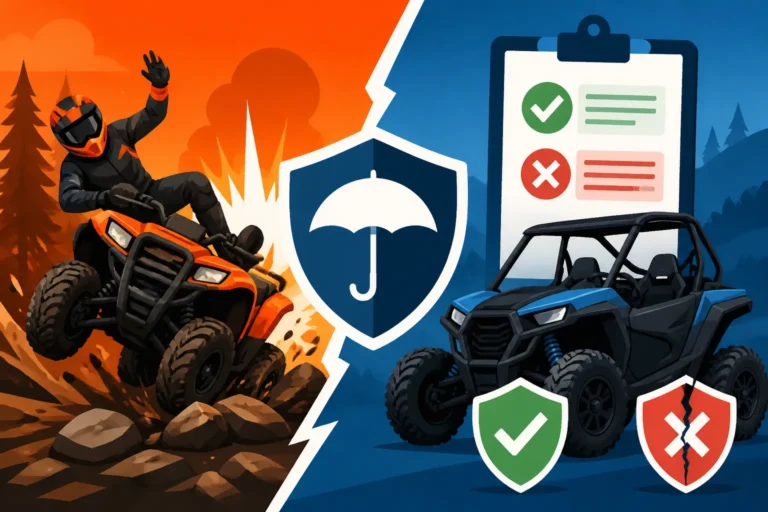
When you're out on the trails, a good pair of goggles or a helmet can feel optional sometimes, especially on a slower, casual ride. But when you're talking about taking your UTV or ATV onto Michigan's county roads, the game changes entirely. The risks amplify, and what felt like a personal preference becomes a non-negotiable safety and legal mandate. We're not just talking about keeping dust out of your eyes; we're talking about avoiding serious injury and keeping your record clean.
The Dangers of Unprotected Eyes on Michigan Roads
Imagine cruising down a gravel county road at 25 mph – the legal speed limit in many areas – when suddenly, the vehicle in front of you kicks up a pebble. Or a bug the size of a small bird decides your face is its new target. Without proper eye protection, that small pebble could become a projectile causing permanent damage, and that bug could completely obscure your vision, even for a split second, leading to a dangerous swerve. These aren't far-fetched scenarios; they're everyday occurrences on our varied Michigan roads.
Beyond physical impacts, think about the wind, especially on a brisk fall day. Without a proper shield, your eyes can quickly dry out, become watery, and impair your ability to see clearly. This is a huge problem when you need to be constantly aware of other vehicles, pedestrians, or wildlife. Then there's the pervasive dust on dry roads, or the spray from passing cars on a rainy day. Each of these elements, unchecked, can turn a pleasant ride into a hazardous situation, drastically reducing your reaction time and putting you and your passengers at risk.
Michigan's Safety-First Approach to ORV Road Use
Michigan isn't trying to make your life harder with these rules; they're genuinely focused on safety. The state recognizes that operating an ORV on public roads, even county roads, introduces different risks compared to purely off-road environments. That's why the regulations for [Safety Glass, Mirrors and Horns: Michigan's Street-Legal List] exist. When you're sharing the road with cars, trucks, and even bicycles, the potential for higher-speed impacts and increased debris means a higher standard of protection is necessary.
The state differentiates between trail riding, where a helmet and eye protection are usually recommended but sometimes optional for adults depending on the type of machine and age, and road riding, where it becomes a firm requirement. This distinction is crucial. Failing to meet these standards isn't just a minor infraction; it can result in tickets, fines, and even the unfortunate end of your ride. Law enforcement, especially Conservation Officers and Sheriff Deputies, are well-versed in these rules and will enforce them to ensure everyone's safety on Michigan's expanding network of ORV-friendly roads.
Michigan's Legal Requirements for Street-Legal UTV Eye Protection
Understanding the exact letter of the law can be the difference between an enjoyable, compliant ride and a roadside conversation with a law enforcement officer that ends with a citation. Michigan's regulations are pretty clear when it comes to eye protection for street-legal ORVs, but they often come with a condition: the presence and type of windshield. This is where many riders get tripped up, assuming any windshield is enough.
The Windshield vs. Goggle/Helmet Rule
Here's the core of Michigan's eye protection rule for ORVs operating on public roads:
If your ORV is equipped with a windshield made of safety glass, then the operator and passengers are not required to wear additional eye protection like goggles or a helmet visor.
However, if your ORV does not have a windshield, or if the windshield is not made of safety glass, then the operator and all passengers must wear eye protection. This usually means a Department of Transportation (DOT) approved helmet with a face shield, or separate goggles. This is a critical distinction, and it's outlined directly in Michigan's vehicle code for off-road vehicles. It’s not enough to simply have a windshield; it has to be the right kind. This rule is often referred to as the [Windshield or Goggles: Michigan's Eye Protection Rule].
Many aftermarket UTV windshields are made from polycarbonate or acrylic (often mistakenly called Plexiglass). While these materials are incredibly durable and offer good protection against some impacts, they typically do not meet the "safety glass" standard required for road legal exemption. So, if you have one of these, you still need those goggles or a helmet visor.
Defining "Safety Glass" and DOT/ANSI Standards
So, what exactly counts as "safety glass" in Michigan's eyes? Safety glass, in this context, refers to glass that is either laminated or tempered.
- Laminated glass (like car windshields) is made of two layers of glass with a plastic interlayer, designed to hold together if shattered, preventing shards from flying.
- Tempered glass is heat-treated to make it much stronger than regular glass. When it breaks, it shatters into small, blunt pieces rather than sharp fragments.
The key takeaway is that standard polycarbonate or acrylic UTV windshields, while common and effective for trail riding, generally do not qualify as safety glass for the purpose of the road riding exemption. This means that even if you have a full windshield from a reputable brand like SuperATV, you need to verify if it is explicitly designated as "safety glass" or "DOT approved" for street use. If it's not, then you're back to needing individual eye protection. You might be surprised at how many common UTV windshields, despite their strength, fall into the non-exempt category, as highlighted in [Plexiglass Windshields and Why Michigan Rejects Them].
For individual eye protection:
- Helmet visors: These typically need to be DOT-approved, meaning they meet certain impact and optical clarity standards. Most street-legal motorcycle helmets come with DOT-approved visors.
- Goggles: Look for goggles that meet ANSI Z87.1 standards. This is an American National Standards Institute rating for personal eye and face protection devices, ensuring they can withstand significant impact and offer proper optical clarity. Many quality off-road goggles will proudly display this certification.
Penalties for Non-Compliance
Operating a street-legal ORV on Michigan roads without the required eye protection, or with a non-compliant windshield and no individual eye protection, can lead to a few unwelcome consequences. First and foremost, you're looking at a traffic citation. While the exact fine can vary by jurisdiction and officer discretion, it's typically an infraction that will cost you money and time. Think of it as similar to getting a ticket for not wearing a seatbelt in a car – it's a safety violation.
Beyond the immediate financial hit, there's the inconvenience and potential delay to your ride. A deputy might require you to correct the issue on the spot, which could mean pulling over and not resuming your ride until you have compliant gear, or even having your machine impounded if the violations are severe or numerous. It's simply not worth the risk, especially when proper eye protection is an easy fix that vastly improves your safety.
Understanding the Different Types of Eye Protection
With the legal requirements established, let's dive into the actual gear that will keep you compliant and, more importantly, safe. The market is flooded with options, and understanding the nuances of each can help you make the best choice for your Michigan adventures, whether you're converting your UTV via [Michigan's Assembled Vehicle Route for a UTV] or simply adding a new helmet to your riding kit.
Approved Helmets and Visors
For many riders, especially those on ATVs or open-cab UTVs without a safety glass windshield, a DOT-approved helmet with a built-in visor is the gold standard for eye protection.
- Full-face helmets offer the most comprehensive protection, covering your entire head, face, and chin. Their visors are typically integrated and designed to be optically clear and resistant to impacts. Many come with anti-fog coatings, which are a lifesaver on humid Michigan mornings or chilly evenings. Tinted visors are great for bright, sunny days, but remember to carry a clear one for low-light conditions or nighttime riding.
- Modular (flip-up) helmets provide the convenience of a flip-up chin bar while still offering full-face protection when closed. Their visors also meet DOT standards.
- Dirt bike helmets are designed for aggressive off-road riding, often featuring a prominent peak and no built-in visor. These require separate goggles to provide eye protection. If you choose this route for road riding, ensure your goggles meet the ANSI Z87.1 standard.
The key across all these helmet types is the DOT certification. This isn't just about the helmet itself, but also about the integrity and optical quality of its visor. A DOT sticker usually means the visor has passed stringent tests for impact resistance and clarity, crucial for maintaining clear vision on the road.
Goggles: What to Look For
If you're riding an ATV, an open UTV, or a UTV with a non-safety glass windshield, a good pair of off-road goggles is your go-to. Don't cheap out here; your eyesight is invaluable. When selecting goggles, look for these features:
- ANSI Z87.1 Rating: This is non-negotiable for road-legal compliance. This rating means the lenses are impact-resistant and provide appropriate optical clarity.
- Wide Field of Vision: You need to see everything – traffic, hazards, scenic beauty. Look for designs that don't restrict your peripheral vision.
- Anti-Fog Technology: Nothing is more frustrating (and dangerous) than fogged-up goggles. Many reputable brands use special coatings or ventilation systems to combat this. Some even offer dual-pane lenses, similar to ski goggles, for superior fog resistance.
- UV Protection: Long hours in the Michigan sun can be hard on your eyes. Good goggles will block harmful UV rays.
- Comfortable Fit: Goggles should seal snugly around your eyes to keep out dust and debris, but without creating uncomfortable pressure points. Ensure they fit well with your helmet if you wear one. Adjustable straps and triple-layer foam padding contribute to comfort.
- Lens Options: Clear lenses are mandatory for night riding and often preferred for cloudy days. Tinted, mirrored, or photochromic (light-adjusting) lenses are great for varying light conditions during the day. Consider interchangeable lenses for maximum versatility.
- Tear-offs or Roll-offs: For extremely muddy or dusty conditions, these disposable layers or film systems can instantly clear your vision. While more common in racing, they can be useful for long, dusty road sections.
Street-Legal Windshields
As discussed, a key exemption to wearing individual eye protection on Michigan roads is having a safety glass windshield. This is a significant consideration for UTV owners, as it can dramatically enhance comfort and convenience, especially during colder weather or long rides.
- Material Matters: Unlike the typical polycarbonate UTV windshields (which are fantastic for durability and impact resistance on trails but not street-legal without additional eye protection), true street-legal windshields are made from either laminated or tempered safety glass. These are designed to minimize injury if shattered. You'll often see them labeled as "DOT approved" or specifically as "safety glass" by manufacturers. Brands like SuperATV have entered the market with these compliant options, offering UTV owners a path to full enclosure without needing separate goggles.
- Installation: For a windshield to be considered street-legal, it must be properly installed and maintained. Cracks, chips, or obscured vision can still lead to issues, even if the material is compliant.
- Cost: Safety glass windshields for UTVs tend to be more expensive than polycarbonate versions, reflecting the specialized material and manufacturing processes. You can get an idea of the investment involved by looking into [Safety Glass Windshield Cost for a Side-by-Side].
When considering a windshield for street-legal use, always double-check the product specifications to ensure it explicitly meets the "safety glass" or "DOT approved" criteria for road use. A simple polycarbonate windshield, no matter how robust, won't exempt you from wearing goggles or a helmet visor in Michigan.
Choosing the Right Eye Protection for Your Riding Style and UTV
Making the right choice for eye protection isn't just about compliance; it's about optimizing your riding experience for comfort, safety, and the specific conditions you'll encounter on Michigan's diverse roads and trails. There's no one-size-fits-all answer, so let's think about how to tailor your gear to your adventures.
Factors to Consider: Terrain, Weather, and Speed
Your riding environment plays a huge role in determining the best eye protection.
- Open Roads and Higher Speeds: If your primary use is cruising Michigan's county roads at the 25 mph limit, or perhaps even higher on certain designated routes, wind protection becomes paramount. A full-face helmet with a sealed visor offers excellent wind, dust, and bug protection. Alternatively, a safety glass windshield on your UTV, combined with doors and a roof, creates a much more car-like, sheltered environment, negating the need for individual eye protection. The faster you go, the more critical robust eye protection becomes, as even small debris can have a significant impact. Consider [Michigan's 25 mph Limit on County Roads] and how that influences your choice.
- Dusty Trails and Mixed Riding: Many Michigan ORV routes involve transitioning between dusty trails and paved or gravel roads. In these situations, goggles might be more versatile, especially if you remove your helmet periodically or prefer an open-face helmet style. Goggles are generally easier to clean on the fly and some offer quick lens changes for varying light. If you anticipate heavy dust, consider goggles with tear-offs or roll-offs.
- Weather Conditions: Rain, snow, or extreme cold demand different considerations. A full-face helmet or a fully enclosed UTV with a safety glass windshield offers superior protection against the elements. Goggles can fog up easily in cold, damp conditions, so anti-fog properties are essential. For bitter cold, a full-face helmet with a breath box can prevent visor fogging from your own breath.
Matching Eye Protection to Your Machine's Setup
Your ATV or UTV's configuration will heavily influence your eye protection choice.
- ATVs (Quads): By their nature, ATVs are open-air machines. This means helmets and goggles are almost always a necessity for road riding. Given the exposure to wind and debris, a full-face helmet with a DOT-approved visor is often the most practical and comfortable choice for road sections.
- Open-Cab UTVs (No Windshield or Polycarbonate Windshield): For many side-by-sides, especially those with aftermarket roofs and half-doors but no safety glass windshield, individual eye protection for everyone in the vehicle is required. Again, DOT-approved helmets with visors or ANSI Z87.1-rated goggles are essential. This is where a company like SuperATV might offer a range of compliant goggles or even full safety glass windshield kits specifically designed for various UTV models, helping you achieve compliance.
- Enclosed UTVs (With Safety Glass Windshield): If you've invested in a true safety glass windshield for your UTV, this is where you gain the exemption from individual eye protection. This setup transforms your UTV into a more enclosed vehicle, akin to a car, making it much more comfortable for longer road stretches and in inclement weather. However, always remember the specific requirements for [Michigan Street-Legal UTV Inspection Checklist] if you're going this route.
Comfort and Fit: The Unsung Heroes of Safety
It might sound obvious, but comfortable, properly fitting eye protection is just as important as its compliance. Ill-fitting gear is distracting gear, and distractions lead to accidents.
- Try Before You Buy: Whenever possible, try on helmets and goggles. Different brands and models fit differently. A helmet that's too tight will cause headaches; one that's too loose will shift and impair vision. Goggles should sit snugly against your face without pinching, and the strap should hold them firmly without being overly tight.
- Helmet and Goggle Compatibility: If you're pairing goggles with a helmet, make sure they work together. Some goggles are designed to fit better with specific helmet designs, ensuring no gaps and a secure fit.
- Prescription Glasses: If you wear prescription glasses, ensure your chosen eye protection can accommodate them. Many goggles are "OTG" (Over The Glasses) compatible, and some helmets have recesses for glasses arms. Alternatively, getting prescription inserts for your goggles or a prescription visor can be an option.
- Ventilation and Weight: Heavy, poorly ventilated gear can lead to fatigue and discomfort, especially on long rides. Look for lightweight options with good airflow to keep you cool and minimize fogging.
Common Mistakes and How to Avoid Them
Even with the best intentions, it's easy to make mistakes when it comes to navigating the specific world of street-legal ORV requirements. Eye protection is one of those areas where a seemingly minor oversight can lead to a ticket or, worse, a preventable accident. Let's shine a light on these common pitfalls so you can steer clear of them.
Misinterpreting the Windshield Rule
This is perhaps the biggest and most frequent mistake Michigan ORV riders make. Many UTV owners assume that because their machine has a full windshield, they are automatically exempt from wearing goggles or a helmet visor on public roads. Unfortunately, this is often not the case. The critical detail, as we've discussed, is that the windshield must be made of safety glass.
Most aftermarket UTV windshields, while incredibly durable and functional for off-road use, are made of polycarbonate or acrylic. These materials do not meet Michigan's legal definition of "safety glass" for road-going vehicles. Therefore, if your UTV has a non-safety glass windshield, you and all your passengers are still required to wear individual eye protection (DOT-approved helmet with visor, or ANSI Z87.1-rated goggles) while riding on public roads. Don't let your investment in a high-quality, non-safety glass windshield lull you into a false sense of compliance. Always verify the material and its "DOT approved" or "safety glass" designation. If you are unsure, err on the side of caution and wear the individual eye protection. You might even want to print out a copy of the specific statute, or check the [What Fails a Michigan Assembled Vehicle Inspection] guide for details on windshields.
Using Non-Compliant Eyewear
Another common pitfall is relying on everyday eyewear, like standard sunglasses or prescription glasses, as your primary eye protection for road riding. While these offer some basic protection from sun and wind, they typically do not meet the impact resistance standards required by law.
- Sunglasses are not enough. Even sturdy sunglasses usually lack the ANSI Z87.1 impact rating necessary for ORV road use. A flying stone or a hard impact could shatter them, potentially causing more damage than if you weren't wearing anything at all.
- Regular prescription glasses also fall short. While essential for vision, they are not designed to be safety glasses in the context of ORV road hazards.
- The ANSI Z87.1 standard is key. When choosing goggles, always look for this marking. It signifies that the eyewear has been tested for high-mass and high-velocity impact, providing a crucial layer of protection that regular eyewear simply doesn't offer. Investing in proper, compliant goggles or a DOT-approved helmet visor is a small price to pay for the safety of your eyes.
Overlooking Passenger Requirements
It's easy to focus on the driver's gear, but Michigan's eye protection rules apply to everyone in the ORV when a safety glass windshield isn't present. This includes all passengers, regardless of their age or seating position.
- Children need protection too. If you're taking your kids along for a ride on county roads, ensure they have properly fitting, compliant goggles or a DOT-approved helmet with a visor. This is especially critical for young riders, and their gear needs to fit snugly and securely. Keep in mind general [Michigan ORV Road Rules for Riders Under 16] for overall safety.
- Don't assume back-seat passengers are safe. Even in a UTV with a roof and front windshield, if that windshield isn't safety glass, passengers in the back are still exposed to wind, dust, and potential debris. They need their own eye protection.
Always do a quick check of everyone in your machine before heading out onto Michigan's public roads. Making sure every person has appropriate eye protection, or confirming your safety glass windshield provides the exemption, ensures a compliant and safe journey for all.
Maintaining and Caring for Your Eye Protection
Just like you maintain your ORV to ensure its peak performance and safety, your eye protection also needs regular care. Neglecting your helmet visor or goggles can lead to scratched lenses, compromised clarity, and reduced effectiveness, ultimately putting your safety at risk. A little bit of routine care goes a long way in preserving your investment and keeping your vision clear on Michigan's trails and roads.
Cleaning and Storage Best Practices
Proper cleaning and storage are key to extending the life of your eye protection.
- Cleaning Lenses: Always start by rinsing your helmet visor or goggle lenses with clean, lukewarm water to remove loose dirt and grit. Never wipe a dry, dusty lens, as this will inevitably scratch the surface. After rinsing, use a mild, non-abrasive soap (like dish soap) and your fingertips or a microfiber cloth specifically designed for optics to gently clean the lens. Rinse again thoroughly.
- Drying: Let the lens air dry, or gently blot it with a clean, soft microfiber cloth. Avoid paper towels, which can be abrasive.
- Anti-Fog Coatings: Be extra careful with anti-fog treated lenses. Some cleaning products can strip these coatings, so use only water or products specifically labeled as safe for anti-fog surfaces.
- Helmet Liners: For helmets, regularly remove and wash the liner according to the manufacturer's instructions. A clean liner improves comfort and hygiene.
- Storage: Store your helmet and goggles in a clean, dry place away from direct sunlight and extreme temperatures. Many helmets come with a soft bag; use it! For goggles, a dedicated goggle bag or case will protect the lenses from scratches when not in use. Avoid tossing them haphazardly into a gear bag where they can rub against other items.
When to Replace Worn-Out Gear
Eye protection isn't meant to last forever. Over time, even the best gear will degrade, and knowing when to replace it is crucial for continued safety.
- Scratched Lenses: Any significant scratch on your goggle lens or helmet visor can distort your vision and reduce its impact resistance. If scratches are impeding your view, it's time for a replacement lens or a new pair of goggles/visor. Don't try to "buff out" deep scratches; it rarely works and often makes it worse.
- Cracked or Damaged Helmets: If your helmet has been involved in any impact, even if you can't see visible damage, it should be replaced. The foam inside compresses upon impact and won't offer the same protection again. Helmets also have a lifespan (typically 5-7 years from the manufacture date) due to material degradation, so check your helmet's internal tag.
- Stretched Goggle Straps: If the elastic on your goggle strap has lost its elasticity, your goggles won't stay securely on your face or helmet. This can be a major distraction and safety hazard. Some goggles allow for strap replacement, otherwise, it's time for a new pair.
- Compromised Foam: The foam padding around your goggles helps seal out dust and provides comfort. If it's deteriorated, cracked, or no longer provides a good seal, replace your goggles.
- Yellowing or Brittle Plastics: Over years of sun exposure and temperature changes, helmet plastics and goggle frames can become brittle. This compromises their protective qualities.
Regularly inspect your eye protection for signs of wear and tear. Replacing worn-out gear isn't an extravagance; it's a fundamental part of responsible ORV riding and ensuring you have the best possible visibility and protection every time you hit Michigan's roads and trails.
Eye Protection Comparison Table
To help you visualize the choices, here's a breakdown of common eye protection options for Michigan ORV road riding:
| Eye Protection Type | Pros | Cons | Michigan Road Rules Compliance | Ideal Use Case |
|---|---|---|---|---|
| DOT Full-Face Helmet | Maximum head and face protection; integrated DOT-approved visor; excellent wind/debris shield. | Can be hot; restricts peripheral vision slightly; heavier than goggles alone; requires proper fit. | Compliant. If visor is DOT-approved. | ATV riding on roads, open UTVs, cold weather, higher speeds. |
| DOT Open-Face Helmet + ANSI Z87.1 Goggles | Good ventilation; traditional off-road feel; goggles allow for quick lens changes. | Less face/chin protection than full-face; goggles can fog; combination needs to fit well. | Compliant. If both elements meet standards. | ATV riding on roads, open UTVs, warmer weather, mixed trail/road riding. |
| ANSI Z87.1 Goggles (standalone) | Lightweight; minimalist feel; good ventilation; wide field of vision; often worn with a helmet. | No helmet head protection; can fog; only protects eyes, not full face from wind/debris. | Compliant. If no safety glass windshield or no helmet. | Riders with non-safety glass UTV windshields; any ORV without a safety glass windshield. |
| Safety Glass Windshield (on UTV) | Most comfortable for UTVs; car-like experience; shields from wind, rain, debris for all occupants. | Higher cost; permanent modification to UTV; still requires safety glass material (not polycarbonate). | Compliant. Exempts individual eye protection if safety glass. | UTVs primarily used for road riding, inclement weather, group/family rides. |
| Polycarbonate/Acrylic Windshield (on UTV) | Durable, impact-resistant; blocks some wind/debris; common aftermarket choice. | Does NOT exempt individual eye protection. Still requires goggles/helmet visor. Can scratch more easily than glass. | Non-compliant for exemption. Still requires goggles/helmet. | UTVs with any windshield that isn't safety glass, often for trail-heavy use. |
Disclaimer
This article is for general informational purposes only and does not constitute professional advice. Laws, prices and regulations vary by location and change over time. Consult a qualified professional for guidance on your specific situation.