Golf Cart Insurance on Public Roads
Riding your golf cart to the local ice cream shop or down to the community beach access sounds like a slice of pure Michigan summer, right? But as more towns open their roads to these convenient little machines, a big question often pops up: what about insurance? It's a common frustration, assuming your homeowners policy has you covered, only to find out it likely doesn't once you leave your driveway. This guide is here to untangle the complexities of golf cart insurance when you venture onto Michigan's public roads, making sure you're protected and playing by the rules.
The Shifting Landscape: When a Golf Cart Isn't Just for the Green
For decades, golf carts lived a pretty simple life, primarily confined to manicured greens and private communities. They were never really intended for the hustle and bustle of public streets, but times are changing. Many Michigan communities, particularly those with a strong resort or lakeside vibe, have seen the appeal of allowing golf carts on local roads for short trips and increased convenience. This shift, however, brings a whole new set of responsibilities, especially when it comes to keeping yourself and others safe and financially secure.
Why Golf Carts End Up on Public Roads in Michigan
Picture this: you're at your cottage on Higgins Lake, and the nearest general store is just a mile down a quiet county road. Hopping in the golf cart seems like the perfect solution – easy parking, fresh air, and a relaxed pace. This convenience is precisely why so many Michigan towns and villages are exploring ordinances to permit golf cart use on certain public roads. It adds to the charm, reduces short car trips, and can foster a more community-oriented feel. From the tourist towns along Lake Michigan to the small rural communities inland, the desire to use a golf cart for more than just a round of 18 holes is growing.
However, this increased exposure to public roads also means increased risk. You're no longer just puttering along a golf path; you're sharing the asphalt with cars, trucks, bicycles, and pedestrians. This change in environment significantly alters the risk profile of operating a golf cart, transforming it from a mere recreational vehicle into a mode of transportation that demands proper consideration for safety and, crucially, insurance.
Michigan's Definition of a Low-Speed Vehicle (LSV) vs. Golf Cart
Here's where things get a bit technical, but it's vital for understanding insurance. Michigan, like many states, draws a distinct line between a traditional golf cart and a Low-Speed Vehicle (LSV). A standard golf cart is generally defined as a motor vehicle with at least three wheels, an unloaded weight of less than 1,300 pounds, and a speed capability of no more than 20 mph. Critically, these vehicles are typically not designed or legally permitted for use on public roads unless a specific local ordinance allows it. Even then, they might have restrictions.
An LSV, on the other hand, is a four-wheeled vehicle designed to travel at speeds greater than 20 mph but not more than 25 mph. These vehicles are manufactured to meet specific federal safety standards, including features like headlamps, tail lamps, stop lamps, turn signal lamps, reflex reflectors, exterior mirrors, a parking brake, a VIN, and safety belts. If your "golf cart" has been modified or manufactured to meet these standards and is legally able to be titled and registered, it's considered an LSV. An LSV is legally permitted on public roads with speed limits of 35 mph or less, provided it's properly registered, titled, and insured. The distinction is crucial because an LSV is treated much more like a conventional vehicle by the state for titling, registration, and insurance purposes than a basic golf cart. If you’re looking to get your machine legal, you might want to look into [Michigan Assembled Vehicle Title Application] or [Michigan's Assembled Vehicle Route for a UTV] to see if it applies to your situation.
The Insurance Imperative: Why Your Golf Cart Needs Coverage on Michigan Roads
It's a common misconception that if you're only driving your golf cart a short distance, or if your local community allows it, you don't really need specific insurance. This couldn't be further from the truth, especially in Michigan. The moment your golf cart rolls onto a public road, even if it's just a quiet neighborhood street, it enters a different legal and financial landscape. Without the right coverage, you could be facing significant out-of-pocket expenses and legal headaches should an accident occur.
Michigan's No-Fault Auto Insurance Law and Golf Carts
Michigan has a unique no-fault auto insurance system, and whether it applies to your golf cart largely depends on how the state views your particular machine and its use. If your golf cart is considered a "motor vehicle" under Michigan's no-fault law (which generally applies to vehicles operating on public roadways), then you are legally required to carry no-fault insurance. This means coverage for Personal Injury Protection (PIP), Property Protection Insurance (PPI), and Residual Liability Insurance.
PIP covers medical expenses and lost wages for you and your passengers, regardless of who caused the accident. PPI covers damage your vehicle does to other people's property (like a fence or a parked car), but not your own golf cart. Residual Liability protects you if you're at fault in an accident causing serious injury or death to others, or out-of-state property damage. Ignoring these requirements for a golf cart used on public roads could lead to fines, suspension of driving privileges, and, most importantly, leave you financially exposed to massive medical bills or liability claims. Understanding your obligations here is paramount, and it's quite different from what you might need for an ORV, which has its own set of rules outlined in articles like [Michigan ORV Liability Insurance Minimums].
The Gaps in Your Homeowners or Auto Policy
Many golf cart owners assume their existing homeowners or auto insurance policies will magically extend to cover their golf cart when it's on public roads. This is a dangerous assumption that can leave you in a very vulnerable position. Your standard homeowners insurance policy is designed to cover your property and liability on your own private property. It might cover a golf cart if it's stolen from your garage or if an incident occurs while you're driving it across your lawn, but it almost invariably excludes coverage for accidents that happen on public roads. Think about it: your homeowners policy isn't going to pay if you crash your car on the freeway, and the same principle usually applies to your golf cart off your property.
Similarly, your personal auto insurance policy is tailored for specific vehicles—the cars, trucks, or SUVs listed on that policy. A golf cart is not typically considered one of these vehicles. Unless you have specifically purchased an endorsement or a separate policy for your golf cart, your auto insurance policy will not provide coverage for it when you're driving it on public roads. This gap in coverage means that if you collide with another vehicle, a pedestrian, or even a mailbox while cruising down a public street, you could be personally responsible for all damages, medical bills, and legal fees. It's a risk simply not worth taking for the sake of a few dollars.
Liability Risks: Protecting Yourself from the Unexpected
Beyond the no-fault requirements, the most significant reason to properly insure your golf cart for public road use is liability. Accidents happen, even at low speeds. Imagine you're driving your golf cart through a village that allows them on its streets, and you misjudge a turn, clipping a parked car and scratching its paint. Or worse, you accidentally back into someone walking through a parking lot, causing them an injury. Without liability insurance, you would be personally responsible for the costs of repairing that car or covering the pedestrian's medical bills and potential lawsuits.
These costs can quickly escalate into the tens or even hundreds of thousands of dollars. Liability insurance, which is part of the required no-fault package if your golf cart is deemed a motor vehicle for public road use, is designed to protect your assets in such scenarios. It provides financial protection against claims from other people for bodily injury or property damage for which you are found legally responsible. Don't let the small size or slow speed of a golf cart lull you into a false sense of security; the financial consequences of an accident can be just as devastating as with a larger vehicle. For more on local rules, you might find [Michigan ORV Rules Inside City Limits] helpful, though specific to ORVs, it highlights the varying regulations.
Navigating the Coverage Options for Your Public Road Golf Cart
So, you understand the necessity of insurance for your golf cart on Michigan's public roads. Now, what are your options? The good news is that as golf cart usage expands, so do the insurance solutions available. It’s not a one-size-fits-all situation, and the best option for you will depend on how you use your cart, its features, and your local regulations.
Specific Golf Cart Insurance Policies
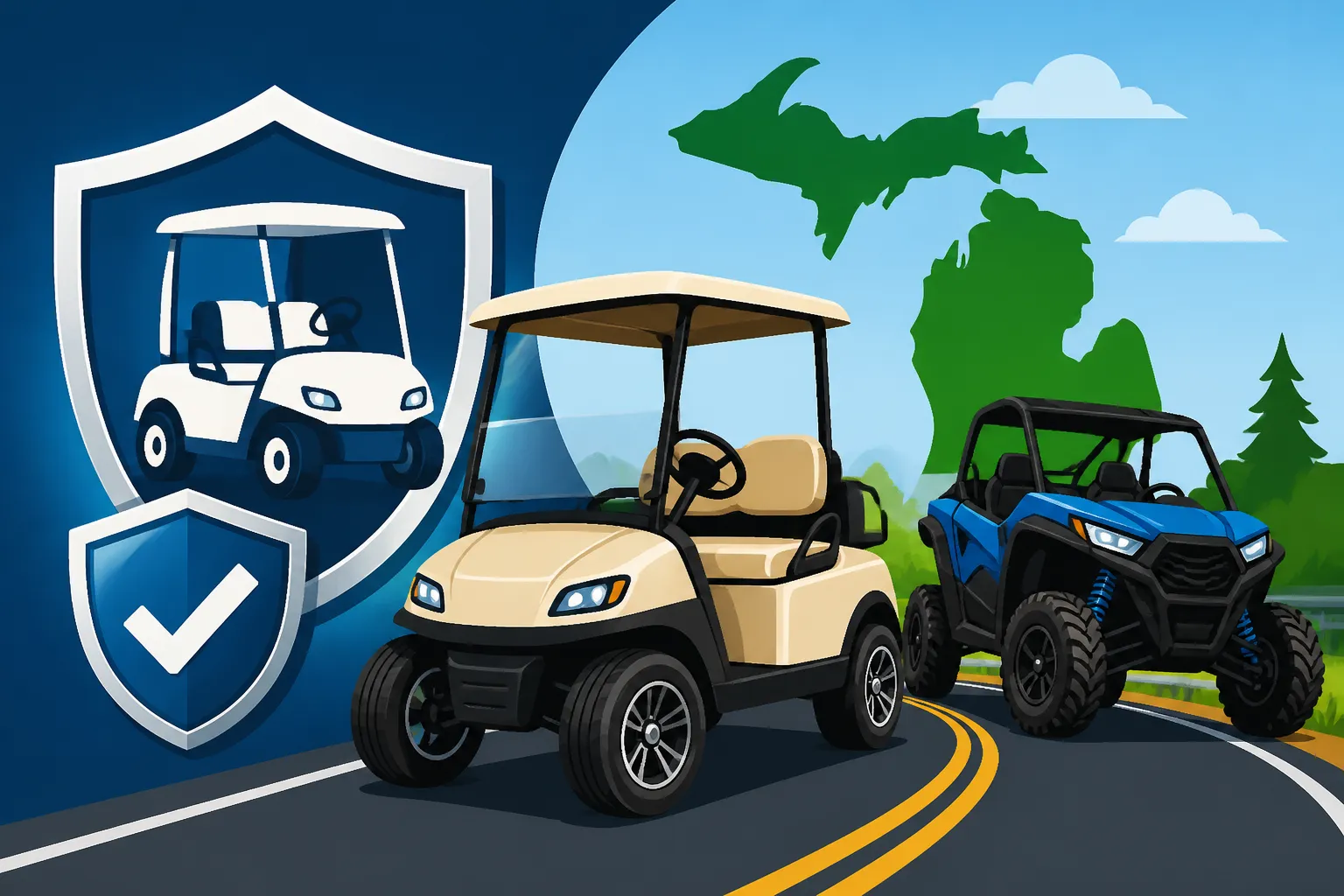
For many Michigan golf cart owners who regularly venture onto public roads, a dedicated golf cart insurance policy is the most comprehensive and straightforward solution. These policies are specifically designed to cover the unique risks associated with golf carts, whether they are on a golf course, your private property, or approved public roads. They are tailored to provide the necessary coverage that your homeowners or auto policy simply won't.
A dedicated policy typically offers a range of coverages, including:
- Liability: This is crucial, protecting you from claims of bodily injury or property damage to others.
- Collision: This covers damage to your own golf cart if it collides with another vehicle, object, or overturns.
- Comprehensive: This protects your golf cart from non-collision incidents like theft, vandalism, fire, or damage from natural disasters.
- Medical Payments: This can cover medical expenses for you and your passengers, regardless of who is at fault.
- Uninsured/Underinsured Motorist: While less common for golf carts, some policies might offer this to cover damages if you're hit by another vehicle that doesn't have sufficient insurance.
Some specialty insurers also offer additional perks like roadside assistance or coverage for custom parts and accessories, which can be particularly useful if you've invested in upgrading your cart with things like custom wheels, lifted suspensions, or specialized seating. Many insurance companies, both large national providers and smaller specialty firms, now offer these types of policies, making it easier than ever to get appropriate coverage.
Endorsements to Existing Policies (LSVs)
If your golf cart has been modified to meet Low-Speed Vehicle (LSV) standards, and it's properly titled and registered as such with the Michigan Secretary of State, you might be able to add it as an endorsement to your existing auto insurance policy. This isn't a guarantee, as not all auto insurers offer this option, and it's typically reserved for machines that truly meet the LSV criteria, not just a basic golf cart that's been allowed on a few local roads.
To qualify for an endorsement, your vehicle would need to possess all the safety features required of an LSV, such as headlights, tail lights, turn signals, mirrors, a windshield, and seat belts. It would also need a vehicle identification number (VIN) and likely a title and registration, much like a conventional car. This path essentially treats your modified golf cart as a smaller, slower version of a car, integrating it into your existing auto insurance framework. It's always best to check directly with your current auto insurance provider to see if this is an option for your specific LSV, as they will have precise requirements and underwriting guidelines. [Michigan Low-Speed Vehicle Registration in Michigan] provides more information on how to get your machine recognized.
Comparing Coverage: What to Look For
When you're shopping for golf cart insurance, whether it's a dedicated policy or an endorsement, it's not just about the lowest price. You need to ensure the coverage adequately meets your needs and the requirements of Michigan's no-fault law if you're on public roads. Here's what to consider:
- Coverage Limits: Understand the maximum amount the policy will pay out for liability, collision, and other coverages. Make sure these limits are robust enough to protect your assets. State minimums for liability are often just that – minimums – and might not be enough if a serious accident occurs.
- Deductibles: This is the amount you pay out of pocket before your insurance kicks in for collision or comprehensive claims. A higher deductible usually means a lower premium, but ensure it's an amount you're comfortable paying if you need to file a claim.
- What's Covered (and What Isn't): Read the policy language carefully. Does it cover use on public roads where allowed? What about theft from your driveway? Is there coverage for medical expenses for your passengers? Are custom accessories covered?
- Reputation of the Insurer: Choose an insurance company with a solid financial standing and good customer service reviews. You want an insurer that will be there when you need them most.
- Discounts: Ask about any potential discounts, such as multi-policy discounts (if you bundle with homeowners or auto), safety course completion, or security features on your golf cart.
Gathering quotes from several providers is always a smart move. This allows you to compare not just prices, but also the scope of coverage, ensuring you get the best value and protection for your specific situation.
Practical Steps to Insure Your Michigan Public Road Golf Cart
Getting your golf cart properly insured for public road use in Michigan can feel like navigating a maze, but breaking it down into manageable steps makes the process much clearer. It involves understanding local rules, gathering information, and making informed choices about your coverage.
Understanding Your Local Ordinances
Before you even start looking for insurance, the single most important first step is to confirm that golf carts are actually allowed on public roads in your specific Michigan city, village, or township. Just because you see others doing it doesn't mean it's legal everywhere. Local governments have the authority to enact ordinances allowing or prohibiting golf cart use on their roads, and these ordinances often come with specific stipulations. Many communities have taken advantage of Michigan's laws to open their streets, and examples can be found in articles like [Michigan Cities With Golf Cart Ordinances] or [Michigan Townships That Opened Their Streets to ORVs].
These local rules might dictate speed limits (often 20 or 25 mph), specific hours of operation (e.g., daylight hours only), age requirements for drivers, required safety equipment (like turn signals or seatbelts), and sometimes even mandate specific insurance coverage beyond state minimums. If your community doesn't have an ordinance allowing golf carts on public roads, then operating one there is illegal, and any insurance policy you manage to acquire might be null and void in the event of an accident. Always check with your local municipal clerk or police department to get the definitive answer for your area. [Michigan Golf Cart and Low-Speed Vehicle Rules] provides a great overview of the state-level framework.
Gathering Necessary Information for Quotes
When you're ready to get insurance quotes, having all your information organized will make the process much smoother and ensure accurate pricing. Insurers will typically ask for:
- Vehicle Identification Number (VIN): Most modern golf carts, and certainly all LSVs, will have a VIN. This is crucial for identification. If your cart is older and lacks a VIN, the insurer may ask for a serial number or other identifying markers.
- Make, Model, and Year: Just like a car, this helps the insurer understand the base value and specifications of your golf cart.
- Modifications: Have you added a lift kit, custom wheels, an upgraded battery system, or any other significant modifications? These can affect the value and, in some cases, the risk profile, so be honest and thorough. Especially if you're trying to qualify it as an LSV, all required safety features must be declared.
- Storage Location: Where is the golf cart typically stored (e.g., garage, carport, outdoors)? This helps assess theft and comprehensive risk.
- Intended Use: Will it be primarily for recreational use, transportation to local shops, or occasional work around a property? For public road use, clearly state this.
- Driver Information: Details for all potential drivers, including age, driving record, and any safety course certifications. While golf cart licenses aren't usually a thing, driving history matters.
- Purchase Price and Date: If you recently bought the cart, this helps establish its value for collision and comprehensive coverage.
The more detailed and accurate information you provide, the better equipped the insurance company will be to offer you appropriate coverage at a fair price. Don't hide details about modifications or how you intend to use the cart, as this could lead to claims being denied later on.
Regular Review and Updates
Just like your auto or homeowners insurance, your golf cart policy isn't something you set and forget. Life changes, and so should your insurance coverage. It's a good practice to review your policy at least once a year, or whenever significant events occur.
Consider updating your policy if:
- You make significant modifications: Adding expensive accessories, upgrading performance, or changing the physical structure of your golf cart (especially if you're moving towards LSV compliance) should be reported to your insurer to ensure proper coverage for the added value.
- Your usage changes: If you start using your golf cart more frequently on public roads, or if you move to a new community with different ordinances, your risk profile changes.
- You add or remove drivers: If a new family member starts driving the golf cart, or if someone stops using it, inform your insurer.
- Your address changes: Moving to a new location can impact premiums and coverage availability.
- Market values shift: The value of your golf cart can depreciate over time, or appreciation if it's a specialty item. Discussing this with your insurer can help adjust your coverage limits appropriately.
A proactive approach to managing your golf cart insurance ensures you always have the right level of protection, giving you peace of mind as you enjoy those scenic rides on Michigan's public roads.
Comparing Golf Cart Insurance Options for Michigan Public Road Use
To help clarify the differences in coverage you might encounter, here's a quick comparison of how common insurance types generally handle golf cart use on public roads in Michigan. Remember, these are general guidelines, and specific policy language will always dictate actual coverage.
| Feature / Type of Insurance | Homeowners Insurance (Standard) | Auto Insurance (Standard) | Dedicated Golf Cart/LSV Policy |
|---|---|---|---|
| Covers Public Road Use | No (Generally excludes vehicles on public thoroughfares) | No (Unless specifically endorsed for an LSV) | Yes (Designed specifically for this purpose) |
| Liability Coverage | No (Not for public road accidents) | No (Not for golf cart use, unless LSV endorsement) | Yes (Primary coverage for bodily injury & property damage) |
| Collision Coverage (Your Cart) | No (Not for public road accidents) | No | Yes (Covers damage to your golf cart) |
| Comprehensive Coverage (Theft, Fire, etc.) | Limited (Might cover theft from private property, not public road incidents) | No | Yes (Covers non-collision damage and theft) |
| Michigan No-Fault PIP/PPI | No | No (Unless LSV endorsement; for listed vehicles only) | Yes (If required by law for public road use) |
| Medical Payments | No (Unless related to private property incident) | No | Yes (Often an optional add-on) |
| Specialty Endorsements | Rare/Unlikely | Possible for LSVs (Check with your specific insurer) | Common (For custom parts, roadside assistance) |
| Cost Implications | No additional cost, but no coverage for public road use | No additional cost without endorsement, but no coverage | Dedicated Premium (But provides essential coverage) |
Disclaimer
This article is for general informational purposes only and does not constitute professional advice. Laws, prices and regulations vary by location and change over time. Consult a qualified professional for guidance on your specific situation.