Carrying a Passenger on an ATV Built for One
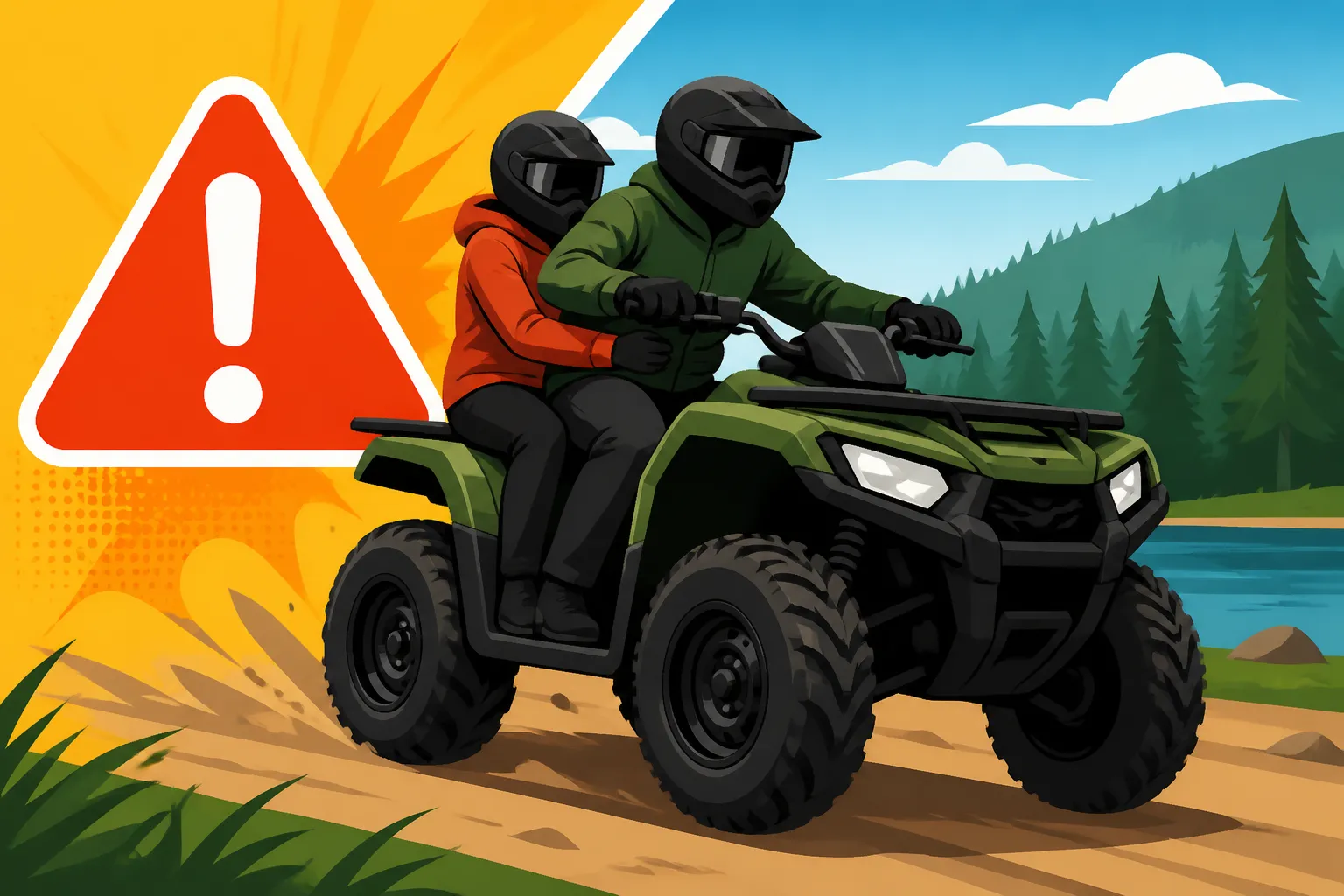
It’s a common scenario, isn’t it? You’re out on the Michigan trails, enjoying the roar of your ATV, and you see a buddy or a child looking longingly at the open seat behind you. The thought pops into your head: "Can I just squeeze them on for a quick ride?" The temptation to share the fun is powerful, but when your ATV is specifically designed for a single rider, doing so introduces a whole host of safety risks and legal headaches. This guide will walk you through why carrying a passenger on an ATV built for one is dangerous and against Michigan law, and what your safe, legal alternatives are.
The Harsh Reality: Why Single-Rider ATVs Aren't Meant for Two
You love your ATV. You know its limits, its quirks, and how it handles every bump and turn on the Michigan trails. But that intimate knowledge is built around you as the sole operator. Introducing a second person fundamentally alters everything about how that machine is designed to perform. It's not just about a little extra weight; it's about the entire dynamic shifting in a way that can quickly turn a fun outing into a serious incident.
Think about it: when the manufacturer builds a single-rider ATV, every component, from the frame geometry to the braking system, is engineered for one person's weight distribution and control inputs. Adding a passenger, especially an inexperienced one who might shift unexpectedly, creates forces the machine isn't meant to withstand. It’s like trying to run a marathon in shoes that are two sizes too small – you might make it a short distance, but you’re setting yourself up for pain and potential injury.
Understanding ATV Design and Capacity
When you look at a single-rider ATV, you'll notice a few key things. First, the seat is typically short and contoured to fit one rider, allowing for ample movement to shift weight during turns or over obstacles. Second, there are usually no handholds or footrests specifically designed for a passenger. These aren't oversights; they're deliberate design choices reflecting the machine's intended use. The center of gravity is precisely calibrated for a single person, giving the rider the agility needed to control the machine through varied terrain.
The suspension system, the tires, and even the engine's power delivery are all optimized for a specific load. Exceeding that load doesn't just make the ride stiffer or slower; it can lead to catastrophic failure of components. Imagine hitting a jump or navigating a steep decline with double the intended weight – the suspension could bottom out, the frame could stress, or the tires could lose traction unexpectedly. It’s a recipe for disaster, and it's why manufacturers explicitly label these machines for single riders.
The Legal Implications in Michigan
Beyond the mechanical stresses, Michigan law is very clear on this matter. Operating an ATV with a passenger when it's not designed for two is a violation. Conservation Officers (COs) and local law enforcement who patrol the vast [Michigan's 4,000 Miles of ORV Trails Explained] are well-versed in these regulations, and they take them seriously for good reason: safety. You might think you're just bending a rule for a moment, but that moment could cost you.
Getting pulled over for such a violation can result in a ticket and fines. It's not just a slap on the wrist; it's a financial penalty that could have been entirely avoided. More importantly, if an accident were to occur while you're carrying an unauthorized passenger, the legal ramifications could be far more severe. We're talking about potential liability issues, especially if the passenger is injured. It's a risk that simply isn't worth taking when the primary goal of hitting the trails should be safe and enjoyable recreation. [Michigan ORV Tickets and Points on Your License] covers more about what can happen when you're caught breaking the rules.
Michigan's Stance on Passengers and ORV Design
Michigan's ORV laws are crafted with safety as the paramount concern, acknowledging the inherent risks of off-road riding. When it comes to carrying passengers, the state doesn't leave much room for interpretation. It's about protecting everyone involved, from the operator to any potential passenger, and ensuring that machines are used as they were intended. This isn't bureaucracy for bureaucracy's sake; it's common-sense safety codified into law.
The state's Department of Natural Resources (DNR) and the Secretary of State work in concert to outline precisely what is permissible. These rules aren't hidden in some obscure legal text; they're publicly available and often emphasized in safety courses and informational materials. Understanding these guidelines before you hit the trail can save you a lot of grief and ensure your adventures remain positive.
Official Michigan ORV Regulations
Michigan's Natural Resources and Environmental Protection Act, which governs ORV operation, states quite plainly that an ORV designed and manufactured for carrying one operator shall not be used to carry more than one person. This isn't a suggestion; it's a direct prohibition. The law makes a clear distinction between single-rider ATVs and two-up models or side-by-sides (UTVs), which are explicitly designed with additional seating and safety features for passengers.
The state's definition of an ORV designed for one person is quite straightforward – it's any ORV, including ATVs, that is not factory-equipped with a designated seat and footrests or handholds for a passenger. There's no grey area here. If your machine came from the factory with only one seat and no other provisions for another rider, it’s a single-rider vehicle, end of story. For anyone considering carrying a passenger, understanding [Michigan Passenger Rules on an ATV] is absolutely crucial to avoid penalties and ensure safety.
What "Designed by the Manufacturer for More Than One Person" Means
This phrase is key to Michigan's ORV laws. It means the vehicle was specifically engineered from the ground up to accommodate more than one person. It's not about aftermarket additions or jury-rigged solutions. A true two-up ATV will have a longer seat, often with a raised backrest for passenger comfort and security, and dedicated passenger handholds and separate footrests located appropriately for balance. The frame will be reinforced, the suspension will be heavier-duty, and the overall dimensions will reflect its increased carrying capacity.
A great example of a machine "designed by the manufacturer for more than one person" would be a UTV, or a "two-up" specific ATV model. These vehicles have distinct passenger seating, often with seat belts and roll-over protection, demonstrating their intentional design for multiple occupants. Trying to adapt a single-rider ATV to carry a passenger by adding a makeshift seat or relying on the operator to balance both people fundamentally ignores these critical design differences and safety considerations. Companies like SuperATV offer a huge range of aftermarket accessories, but you won't find anything there that makes a single-rider ATV legally or safely capable of carrying a passenger in Michigan.
The Very Real Dangers of Overloading Your ATV
When we talk about the dangers of carrying an unauthorized passenger, we’re not just talking about minor inconveniences. We're talking about serious, potentially life-altering risks. It’s easy to dismiss these warnings when you’re just envisioning a slow, easy ride, but off-road conditions are unpredictable. Even a seemingly minor bump or sudden stop can lead to a loss of control with devastating consequences when your machine is overloaded.
The physics simply don't lie. Every engineering decision made for a single-rider ATV is geared toward one person's weight and control. Doubling that weight, or even adding a child, drastically shifts the balance of power – and not in your favor. Ignoring these fundamental safety principles is not only irresponsible but can have severe, long-term impacts on everyone involved.
Compromised Handling and Stability
Adding a passenger, especially an adult, can easily push your ATV beyond its weight limits. This additional mass significantly alters the machine's center of gravity, making it much less stable, particularly on uneven terrain, during turns, or when climbing and descending hills. What might be a routine maneuver for a single rider can become an impossible task with two people aboard. The ATV will feel sluggish, the steering will be less responsive, and the brakes will have to work much harder to bring the increased mass to a stop.
Imagine trying to navigate a sharp turn on a rocky trail. As a solo rider, you lean into the turn, shifting your weight to maintain balance and traction. With a passenger, this dynamic is completely disrupted. The passenger's weight adds to the centrifugal force pulling the ATV outwards, making it far more prone to tipping over. This isn't just uncomfortable; it can lead to a complete loss of control, sending the machine—and its occupants—tumbling.
Increased Risk of Injury and Accidents
The most dire consequence of overloading a single-rider ATV is the dramatically increased risk of accidents and severe injuries. When an ATV overturns, ejects riders, or collides with an obstacle, the forces involved are immense. For a passenger, particularly one without proper handholds or footrests, the risk of being thrown from the machine is exceptionally high. This can lead to broken bones, head injuries, internal trauma, or worse.
Furthermore, the operator's ability to react quickly and effectively is hampered. A passenger can inadvertently interfere with the operator's movements, grab the handlebars, or shift their weight in a way that exacerbates a dangerous situation. Even if the passenger is trying to be helpful, their presence on a machine not designed for them creates a volatile situation where even small errors can have magnified consequences. For parents, understanding [Youth ATV Size Rules Michigan Parents Should Know] is critical for safe riding for children, and this extends to ensuring they are on appropriate machines, not as unauthorized passengers.
Insurance Nightmares and Liability
Should an accident occur while you're carrying an unauthorized passenger, the situation can quickly turn into an insurance nightmare. Most ATV insurance policies are written with the assumption that the machine is being operated safely and legally, which includes adhering to manufacturer capacity limits. If you were operating the ATV in violation of its design and Michigan law by carrying an extra person, your insurance company could deny coverage for injuries or damages.
This means you could be personally liable for all medical expenses for your injured passenger, damages to your ATV, and any property damage caused in the accident. These costs can easily run into tens or even hundreds of thousands of dollars, completely wiping out savings and creating a massive financial burden. It’s a harsh reality, but insurance companies have clear policies, and operating outside legal and manufacturer guidelines gives them every reason to refuse a claim. This underscores the importance of having proper coverage, as detailed in [Michigan ORV Insurance and When You Actually Need It].
Beyond the Law: Ethical Riding and Setting a Good Example
While the legal and safety aspects are paramount, there's also an ethical dimension to consider when operating your ATV. Our ORV community in Michigan thrives on shared responsibility, respect for the land, and a commitment to safety. When you make choices that skirt safety guidelines, it doesn't just impact you; it can reflect poorly on all riders and potentially jeopardize the future of ORV access in our beautiful state.
Being a responsible ORV enthusiast means more than just having the right permits or sticking to designated trails. It means making smart, safe decisions that protect yourself, your passengers, and the reputation of the sport. Every time we head out, we're ambassadors for the ORV community.
Teaching Safe Riding Habits to Younger Generations
Many of us enjoy ORV riding as a family activity, and there’s nothing quite like introducing a child to the thrill of the trails. However, this comes with a tremendous responsibility to instill safe riding habits from day one. Carrying a child on a single-rider ATV, even if they're small, sends the wrong message. It tells them that rules can be bent, and that safety guidelines are optional, which is absolutely the opposite of what we want to teach.
Instead, parents should focus on teaching proper riding techniques, ensuring children ride age-appropriate machines, and emphasizing the importance of helmets and other protective gear. Michigan has specific [Michigan ORV Road Riding Age Minimum] and other regulations for young riders, and adhering to them not only keeps kids safe but also teaches them to be responsible riders as they grow. When they see you making safe, legal choices, they’re far more likely to adopt those habits themselves, ensuring a future generation of respectful and capable ORV enthusiasts.
Respecting the Trails and Fellow Riders
Michigan's extensive ORV trail system is a precious resource, maintained by dedicated volunteers and funded partly by ORV permits. When you ride irresponsibly, whether it's by overloading your machine, speeding, or riding off-trail, you risk damaging the trails, creating dangerous conditions for others, and eroding public trust. A serious accident involving an overloaded ATV could lead to calls for stricter regulations or even trail closures, impacting everyone's ability to enjoy the sport.
Our community is built on mutual respect. We yield to slower riders, we share information about trail conditions, and we look out for one another. Part of that respect means operating our machines safely and legally, knowing that our actions contribute to the overall experience for everyone. By prioritizing safety and following the rules, you help ensure that Michigan's ORV trails remain open and enjoyable for years to come.
Alternatives to Carrying a Passenger on a Single-Rider ATV
So, you want to share the adventure, but your machine is built for one. Does that mean your passenger-carrying dreams are over? Absolutely not! It just means you need to approach it safely and legally. There are fantastic options available that are specifically designed for carrying multiple occupants, ensuring everyone has a blast without compromising safety or breaking the law.
Thinking proactively about how you want to ride with others can open up a whole new world of ORV experiences. Whether it's upgrading your current setup or simply planning your rides differently, there's a way to include everyone in the fun.
Investing in a Purpose-Built Two-Up ATV or UTV
The most straightforward and safest solution is to get an ORV specifically designed to carry passengers. Manufacturers offer a wide range of two-up ATVs, which feature an extended frame, a longer seat, and dedicated footrests and handholds for a second rider. These machines are engineered with the additional weight in mind, boasting stronger suspension, more powerful brakes, and a re-calibrated center of gravity for stability.
Even better, consider a UTV (Utility Terrain Vehicle), also known as a side-by-side. UTVs are incredibly popular in Michigan for a reason. They offer car-like seating, often with bucket seats, seatbelts, and a roll cage, providing a much higher level of safety and comfort for passengers. They come in various configurations, from two-seaters to models that can comfortably carry four or even six people. Brands like SuperATV offer a vast catalog of accessories and upgrades for UTVs, from windshields to lift kits, making them even more versatile and comfortable for group rides. While the initial investment is higher, the peace of mind knowing you're riding safely and legally with your friends or family is invaluable. You might also look into [Titling a Kit-Built Side-by-Side] if you're handy and want to customize your ride from the ground up.
Separate Machines or Rental Options
If purchasing a new two-up ATV or UTV isn't feasible right now, there are still excellent ways to enjoy the trails with others. The simplest solution is for everyone to have their own machine. If your friend or family member is an experienced rider, they can bring their own ATV. If they're new to the sport, consider renting a separate machine for them. Many ORV rental facilities around Michigan offer both single-rider ATVs and UTVs, often including safety gear and basic instruction. This allows everyone to have their own safe, legal ride.
| ORV Type | Passenger Capacity | Key Design Features | Typical Use Case | Michigan Legality for Passengers |
|---|---|---|---|---|
| Single-Rider ATV | 1 (Operator only) | Short seat, no dedicated passenger grips/footrests | Aggressive riding, trail exploration solo | Illegal for passengers |
| Two-Up ATV | 2 (Operator + 1) | Extended seat, passenger handholds, separate footrests | Recreational trail riding with a companion | Legal for 1 passenger |
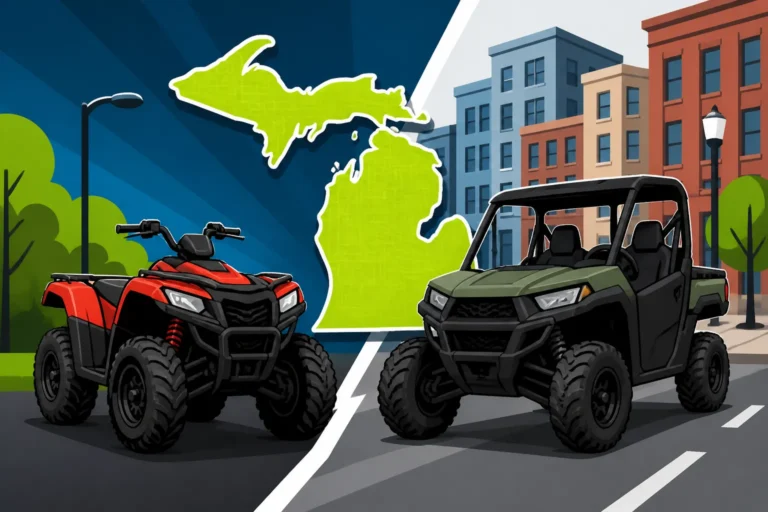
| UTV (Side-by-Side) | 2-6+ (Operator + passengers) | Bench/bucket seats, seatbelts, roll cage, steering wheel | Family outings, utility, recreational riding | Legal for designated capacity |
Another option, especially for those who are just testing the waters of ORV riding, is to join guided tours. Many tour operators in Michigan utilize UTVs, providing a safe and scenic way to experience the trails with a professional guide at the helm. This is a fantastic way for beginners to get comfortable with the off-road environment without the pressure of operating their own machine or the safety concerns of an overloaded ATV. You can find more information on [Renting an ATV in Michigan] to explore these possibilities. Remember, the goal is to create lasting memories safely, and that starts with using the right equipment for the job.
Disclaimer
This article is for general informational purposes only and does not constitute professional advice. Laws, prices and regulations vary by location and change over time. Consult a qualified professional for guidance on your specific situation.