Bonded Title for an ATV in Michigan
There's nothing quite as frustrating as finally getting your hands on that perfect used ATV or UTV, only to realize the title paperwork is either missing, incomplete, or totally messed up. You've got this awesome machine, but without a clear title, you can't legally prove you own it, register it for trail permits, or ever sell it down the road. It feels like you're stuck in bureaucratic limbo, doesn't it? This guide is here to walk you through the often-confusing world of obtaining a bonded title for an ATV or UTV in Michigan, offering a clear path forward when the traditional title route just isn't an option.
What Exactly Is a Bonded Title for an ATV in Michigan?
Let's cut to the chase: a bonded title is essentially a title backed by a surety bond. Think of it as a temporary legal stand-in when you can't get a standard title because of missing paperwork, a previous owner who vanished, or some other administrative hiccup. In Michigan, if you have an ATV or UTV and can't provide proper proof of ownership – like a signed-over title or a complete bill of sale – the Secretary of State might allow you to apply for a bonded title. It’s not a common occurrence, but it’s a vital lifeline for folks who find themselves in a sticky situation.
The core problem a bonded title solves is establishing clear legal ownership. Imagine you bought a fantastic used quad from a buddy of a friend, and they swore up and down they had the title. But then they moved out of state, and suddenly, that title is nowhere to be found, or it was never properly signed over. Now you're left with a machine you own in spirit, but not on paper. A bonded title is the state's way of saying, "Okay, we recognize you possess this machine, but we need some financial assurance that if the real owner shows up later, they'll be compensated." That assurance comes in the form of a surety bond.
This process is definitely a bit more involved than a straightforward title transfer, and it's something many people only discover they need after hitting a brick wall at the Secretary of State. It's often required when dealing with machines that have been abandoned, acquired at an estate sale with insufficient records, or bought in a private sale where the seller truly didn't have the original title anymore and couldn't get a replacement. It’s a mechanism designed to protect both you, the current possessor, and any potential previous owners who might lay claim to the vehicle later.
When a Bonded Title Becomes Your Best (or Only) Option
You might be wondering, "When would I actually need one of these?" The scenarios are fairly specific, but they happen more often than you'd think in the world of used powersports. The most common situation is when the vehicle has no existing title, or the title you received is so flawed it's essentially useless. Perhaps the previous owner never titled it in Michigan, or the title was lost years ago and they never bothered to replace it. In Michigan, sometimes older machines might not have even been titled previously, leading to questions about [Proof of Ownership When a Michigan ORV Has No Title].
Another scenario is when you have some form of ownership documentation, like a bill of sale, but it doesn't meet Michigan's strict requirements for transferring a title. Maybe it's not notarized when it should have been, or it lacks critical information like the VIN. Or, worst of all, you bought a machine from someone who turns out not to have been the legal owner at all, and the true owner is untraceable or uncooperative. These are the kinds of [Michigan ORV Title Problems and How to Clear Them] that often lead straight to the bonded title path. It’s a headache, but it’s a way to legitimize your ownership.
Finally, if you've done your due diligence, checked the VIN, and found no outstanding liens or theft reports, but still can't get a clear title through conventional means, a bonded title is the Michigan Secretary of State's solution. It's a way to bring those "gray area" machines into the official record, allowing you to ride legally and eventually sell with confidence. Just be prepared for a bit of extra paperwork and a small upfront cost.
How the Surety Bond Protects Everyone
The "bond" in bonded title isn't just a fancy word; it's a real financial instrument. A surety bond is a three-party agreement where a bonding company (the surety) guarantees to the state (the obligee) that you (the principal) will fulfill certain obligations. In this case, the obligation is to protect any former owners or lienholders against financial loss if it turns out the vehicle was stolen or if there's a legitimate claim against it within a certain period, usually three years.
Let's say, theoretically, a year after you get your bonded title, the original owner from five years ago suddenly appears with a perfectly legitimate, signed-over title in their name, claiming they never sold the machine. Without a bonded title, you'd be in a terrible spot. But with the bond, that person could file a claim against your bond for the value of the ATV. If their claim is legitimate, the bonding company would pay them, and then you would be liable to reimburse the bonding company. This is why you must perform thorough due diligence before going this route. It’s a safety net for everyone involved, ensuring that rightful ownership is eventually resolved, even if the initial paperwork was a mess.
The bond amount is typically set by the Secretary of State, usually at 1.5 to 2 times the value of the ATV or UTV. The premium you pay for the bond is a small percentage of that total bond amount, not the full amount itself. It’s a necessary step to provide financial security against potential future claims, making sure that Michigan isn’t just handing out titles without some accountability for the vehicle's past.
The Step-by-Step Process for Getting a Bonded Title in Michigan
Obtaining a bonded title for your ATV or UTV in Michigan isn't quite as simple as walking into the Secretary of State office with a bill of sale, but it's a structured process you can definitely navigate. The key is preparation and patience. You'll need to gather specific documents, work with a surety bond company, and then present everything to the state. It's an investment of time, but it's the only way to get legitimate ownership of a machine with a muddled history.
First things first, you need to understand that the Michigan Secretary of State handles these applications, and they have very specific guidelines. This isn't a "wing it" kind of situation. Any missing information or incorrect forms will just send you back to square one. So, take a deep breath, and let's break it down.
1. Gather All Existing Documentation
Even if your current documentation is incomplete, gather everything you have. This includes any bill of sale, even if it's informal or not notarized. Dig out any old registration cards, insurance policies, or previous title copies you might possess. The more information you can provide, the better. Any previous owner's name and contact information, even if you can't reach them, can be helpful.
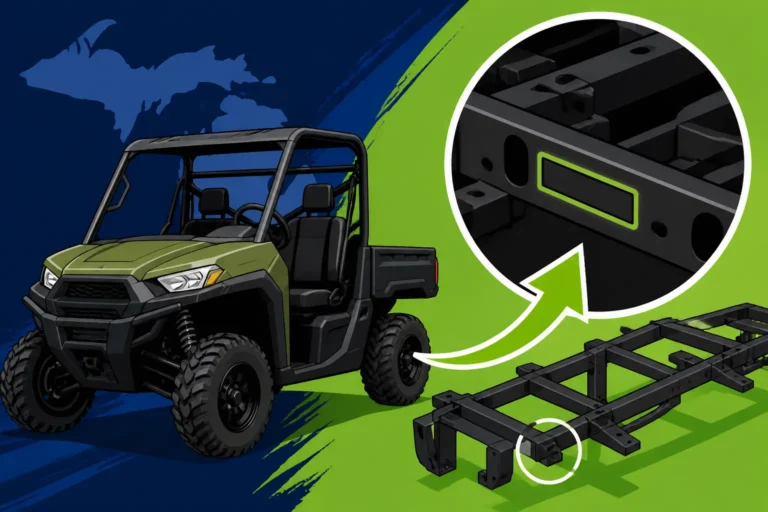
You'll also need the vehicle's full VIN (Vehicle Identification Number). This is crucial for checking the vehicle's history and ensuring it isn't stolen or has any outstanding liens. If you don't know [Where the VIN Is Stamped on an ATV or UTV], you'll need to locate it on the machine itself. Without a valid VIN, the process can become much more complicated, if not impossible. Take photos of the VIN plate and any other identifying marks on the ATV or UTV. These visual proofs can sometimes supplement insufficient written documentation.
Consider using a tool like LawDepot to help organize your existing information. While you won't be using their templates for the official state forms, their structured approach to information gathering can help ensure you don't overlook any details from your informal records. For example, if you have a handwritten note from a seller, re-entering that information into a more formal bill of sale template on LawDepot could help you identify exactly what's missing before you go to the SOS.
2. Contact the Michigan Secretary of State and Apply for a Title
Before you even think about a bond, you need to attempt to title the ORV through the standard process. This might sound counterintuitive if you know you have title problems, but it’s a necessary step. The Secretary of State will deny a standard title application if the documentation is insufficient, and this denial is often a prerequisite for pursuing a bonded title.
You'll typically need to submit the Application for Michigan Vehicle Title (Form TR-11L) and all your existing proof of ownership, as if you were applying for a regular title. They will review your documents and determine if a standard title can be issued. When it can't, they will inform you and often provide instructions on how to proceed with a bonded title. This initial contact and attempted application officially documents your situation with the state, which is important for the next steps.
It's wise to make an appointment for this, rather than just walking in, especially given the complexity. Having a [Michigan Secretary of State Appointments for ORV Title Work] can save you a lot of waiting and ensure you get dedicated time with a clerk who can guide you. They might also give you a specific form or letter stating that a bonded title is required.
3. Obtain a Surety Bond
Once the Secretary of State indicates that a bonded title is your path, you'll need to get a surety bond. You'll work with a surety bond company – these are often independent insurance agencies or specialized bonding companies. The bond amount will be determined by the Secretary of State, usually based on the vehicle's current market value. As mentioned, it's typically 1.5 or 2 times the value of the ATV or UTV.
You'll pay a premium for this bond, which is a small percentage of the total bond amount (e.g., 1-5%). The cost of the premium will vary based on the bond amount and your credit history. The bonding company will issue you a physical bond form. Make sure you keep this document safe, as it’s a critical piece of your application. They will also provide you with a power of attorney and other supporting documents.
It's important to shop around a bit for bond premiums, as they can vary between providers. Be sure to ask about the specific terms, duration (usually three years), and any conditions of the bond. Remember, this bond is there to protect Michigan and any prior owners, not you, from financial loss. If a valid claim is made against the bond, you will ultimately be responsible for reimbursing the surety company.
4. Vehicle Inspection and Affidavits
Depending on the specific circumstances and the age of your ATV/UTV, the Secretary of State might require a vehicle inspection. This is to verify the VIN and ensure the machine matches the documentation you've provided. They want to make sure the VIN hasn't been tampered with and that the vehicle isn't a "chop shop" special. This could be done by a law enforcement officer, a Secretary of State investigator, or a certified mechanic.
You will also likely need to submit affidavits explaining how you acquired the vehicle and why you don't have a clear title. These are sworn statements where you detail the history of your possession, your attempts to locate previous owners, and why a traditional title transfer isn't possible. This is where clarity and honesty are paramount. You can find general affidavit templates online, and some services like LawDepot offer customizable affidavit forms that could be adapted for your situation, though the state may have its own specific forms. Be prepared to detail everything you know about the machine's history and how it came into your possession.
| Required Action | Key Documents/Steps | Purpose |
|---|---|---|
| Initial Application | Application for Michigan Vehicle Title (TR-11L), existing Bill of Sale, VIN verification | Officially applies for title, triggers denial for bonded title path |
| Obtain Surety Bond | Surety Bond Certificate from bonding company, payment of premium | Financial guarantee against prior claims for a specific period (e.g., 3 yrs) |
| Vehicle Inspection | VIN inspection report (if required), photos of VIN | Verifies VIN integrity and matches vehicle description |
| Personal Affidavits | Sworn statements detailing acquisition, attempts to locate prior owner | Explains lack of clear title and history of possession |
| Final Submission | All above documents, bonded title application form, fees | Formal application for the bonded title |
5. Submit Your Bonded Title Application
Once you have all your ducks in a row – the initial title application denial, the surety bond, any inspection reports, and your affidavits – you'll compile everything and submit it to the Michigan Secretary of State. There will be specific forms for a bonded title application, which will ask for all this information. This is often handled by a special titles unit within the Secretary of State, not always at your local branch office.
You will also pay the standard [Michigan ORV Title Fee at the Secretary of State] along with any other applicable fees, such as sales tax (if it hasn't been paid) or late fees if you missed the initial 15-day titling window. Be meticulous in filling out every section of the application form. Any omissions can cause delays. Double-check all VINs, names, and addresses. This is your last major hurdle, so make sure everything is perfect.
Once submitted, there will be a waiting period while the state reviews your application. If everything is in order, they will issue your bonded title. Remember that a bonded title is not necessarily permanent; it's temporary for a set period, typically three years. During this time, the bond is active. After this period, if no claims are made against the bond, you can usually apply for a standard, non-bonded title. This effectively clears the machine's title history.
What Happens After You Get Your Bonded Title?
Congratulations! You've navigated the maze and now hold a bonded title for your Michigan ATV or UTV. This isn't just a piece of paper; it's your official proof of ownership, granting you the legal standing you've been seeking. But what does having a bonded title actually mean for your day-to-day use and future plans for the machine? It's largely business as usual, but there are a few important distinctions to keep in mind.
Primarily, getting that bonded title means you can now get a Michigan ORV license and trail permit, allowing you to legally ride on designated trails and routes. Before this, you would have been operating an untitled machine, which could lead to penalties. Now, you’re recognized by the state. This is a huge relief for many riders who just want to enjoy their machines without constantly worrying about legal repercussions.
The period for which the bond is active, usually three years, is often referred to as the "bond period." During this time, the surety bond acts as a safeguard. Once this period expires without any claims being made against the bond, you generally have the option to apply for a standard, clear title, effectively removing the "bonded" designation. This transitions your ATV or UTV into having a completely clean ownership record, just like any other properly titled machine.
Using Your ORV with a Bonded Title
With your bonded title in hand, you are now the legal owner of record for your ATV or UTV in Michigan. This means you can do all the things a regular titled owner can do. You can apply for your annual [Michigan ORV License and Trail Permit Explained], which is essential for riding on state-managed trails and routes. You can also obtain [Michigan ORV Insurance and When You Actually Need It], providing critical financial protection in case of an accident or theft.
For all intents and purposes, the Secretary of State views you as the legitimate owner. You can operate the machine, transport it, and maintain it without legal ambiguity regarding ownership. This stability is exactly what the bonded title process is designed to provide—a pathway to legitimacy for vehicles with otherwise murky histories.
However, it's paramount that you hold onto all your documentation related to the bonded title, including the bond itself, the affidavits, and any correspondence with the Secretary of State or the surety company. Think of it as building a robust paper trail that supports your ownership claim. If, by some slim chance, a legitimate previous owner were to surface during the bond period, having all your documentation readily available would be crucial in resolving the situation.
Selling an ATV with a Bonded Title
Selling an ATV or UTV with a bonded title is possible, but it does require transparency with your buyer. When you go to sell, you'll need to disclose to the prospective buyer that the title is bonded. This isn't a problem for most informed buyers, especially if the bond period is nearing its end or if it's already expired and you've transitioned to a clear title. However, some buyers might be hesitant if they're not familiar with the concept.
When you sell, the process for transferring ownership will largely mirror that of a standard title transfer. You'll sign over the bonded title to the new owner, who will then take it to the Secretary of State to have it transferred into their name. The new owner will also be responsible for paying [Michigan ORV Sales Tax at a Secretary of State Branch] on the purchase price. Make sure to use a detailed [Michigan ATV Bill of Sale: What to Put in It] to document the transaction thoroughly, explicitly stating that it is a bonded title being transferred.
If you sell the machine during the bond period, the bond generally stays with the vehicle, protecting the new owner for the remainder of the original bond's term. This is a key point: the bond protects the vehicle's chain of title, not just the person who originally obtained the bond. It’s always a good idea to advise the buyer to verify the bond status and duration with the Secretary of State to put their mind at ease. Once the bond period expires without claims, and you've followed the steps to convert it to a regular title, selling becomes a straightforward process with no special disclosures required.
Common Pitfalls and Things to Watch Out For
While a bonded title can be a lifesaver, it’s not without its potential challenges. Understanding these pitfalls upfront can help you navigate the process more smoothly and avoid unexpected headaches. It's an extra layer of bureaucracy, and as with anything involving the state and financial guarantees, there are details to pay attention to.
One of the biggest issues people encounter is underestimating the time and effort involved. This isn't a quick fix. You'll need to be persistent, organized, and prepared for potential delays. The process involves multiple steps, different agencies (the Secretary of State, a bond company), and potentially a vehicle inspection. If you're hoping to get your machine on the trails next weekend, a bonded title probably won't make that happen.
Another common concern revolves around the costs. Beyond the standard title fees and sales tax, you'll have the added expense of the surety bond premium. While not exorbitant, it's an extra cost that needs to be factored into your total acquisition price for the ATV or UTV. If the machine's value is very low, the cost of the bond premium might feel disproportionately high.
Financial Implications and Bond Duration
As discussed, the primary added cost for a bonded title is the premium for the surety bond. This premium is generally a small percentage of the total bond amount, which itself is often 1.5 to 2 times the fair market value of your ATV or UTV. For example, if your ATV is valued at $3,000, the bond might need to be $4,500 to $6,000, and your premium could be anywhere from $50 to a few hundred dollars. This isn't a one-time fee for the title itself, but rather a payment to the bonding company for their guarantee.
The duration of the bond is another important financial consideration. In Michigan, these bonds are typically required for a period of three years. During this time, you are obligated to maintain the bond. While the premium is usually paid upfront for the full term, it's a commitment. If a claim were to be made against the bond and found valid, you, the applicant, would be responsible for reimbursing the surety company for any payout they made. This is why thorough due diligence on the machine's history (VIN checks, lien searches) is absolutely critical before embarking on the bonded title path. You don't want to get stuck with a financial obligation if the machine turns out to be stolen or to have an undisclosed lien.
Always clarify the exact bond duration and renewal requirements with your surety company. After the bond period expires, assuming no claims were made, you can apply to the Secretary of State to have the "bonded" designation removed, and they will issue you a standard, clear title. This is a critical step that many people forget, leaving the bond technically active even after its necessary period has passed.
Alternatives and When to Walk Away
Sometimes, after delving into the complexities of a bonded title, you might find yourself wondering if there's an easier way, or if it's even worth the trouble. It's a valid question. For some specific situations, there might be alternatives, or it might simply be better to walk away from the purchase entirely.
If your issue is just a [Michigan ORV Title With a Missing Seller Signature] or a minor clerical error, a bonded title is likely overkill. In those cases, the Secretary of State will usually guide you on how to get the necessary correction or signature. For example, if you can track down the seller, they might just need to fill out a new form or correct the old one. If you're dealing with a lost title from a previous owner who is cooperative, they should be able to apply for a replacement title themselves, which they then sign over to you.
However, if you're dealing with a machine that has truly unknown origins, a VIN that appears tampered with, or a history that raises serious red flags, a bonded title might not even be an option, or it might be too risky. The Secretary of State won't issue a bonded title if there's strong suspicion of theft or fraud. In such cases, it's better to avoid the machine altogether. Doing a comprehensive VIN check through resources like the NICB (National Insurance Crime Bureau) before you buy is always advisable to help prevent these headaches. You don't want to become entangled in a legal battle or inadvertently acquire stolen property.
Ultimately, the decision to pursue a bonded title should be made after careful consideration of the ATV's history, the costs involved, and your comfort level with the process. If it's a legitimate machine and the bonded title is the only way to establish clear ownership, it’s a valuable tool. But if the situation feels too murky, or the cost outweighs the value of the machine, then sometimes the smartest move is to simply pass on the deal and find an ATV or UTV with a clear, undisputed title from the start.
Disclaimer
This article is for general informational purposes only and does not constitute professional advice. Laws, prices and regulations vary by location and change over time. Consult a qualified professional for guidance on your specific situation.