Riding Michigan Trails in Black Fly Season
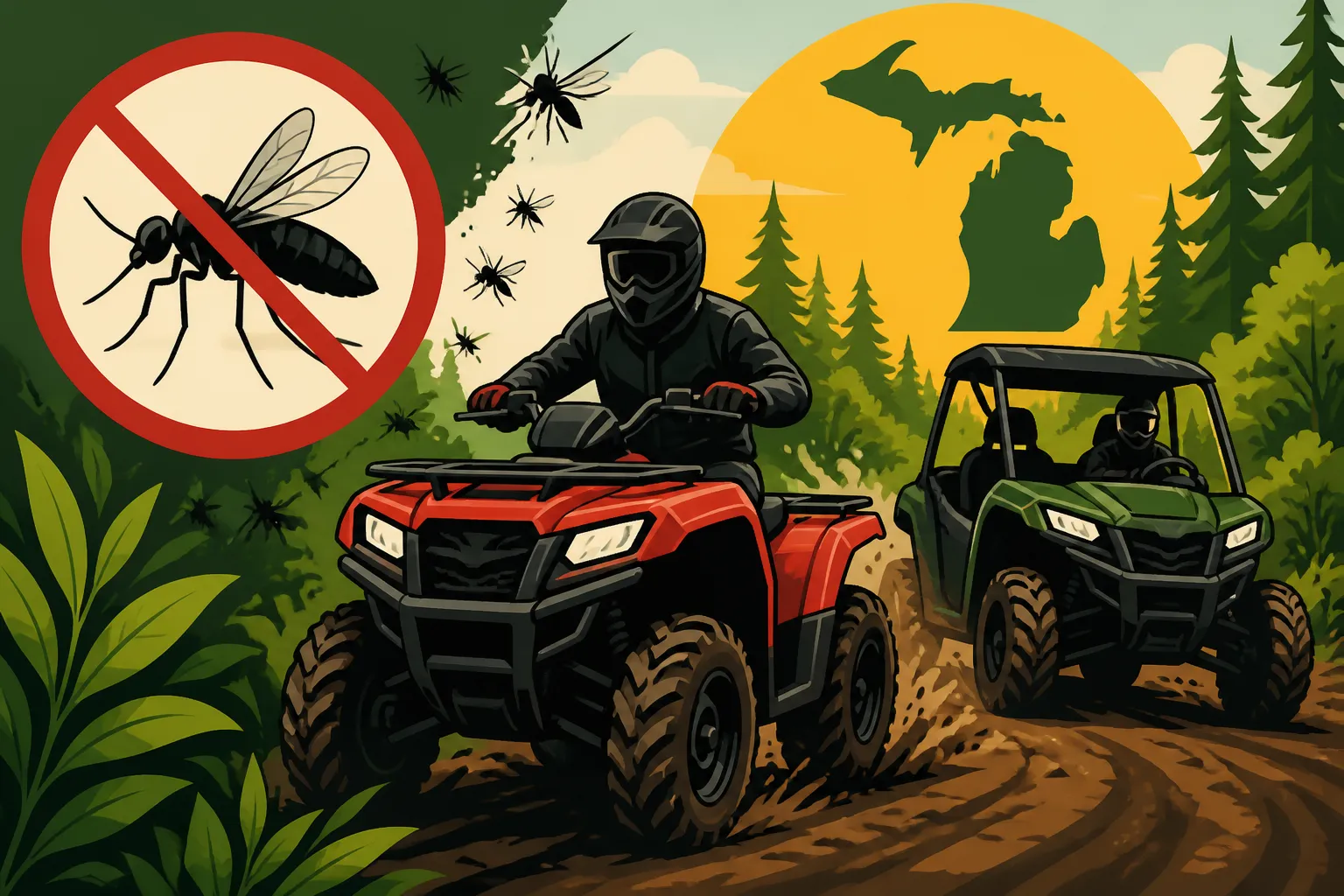
Black flies can turn a beautiful ride through Michigan’s woods into a day of swatting, itchy bites, and hurried stops. Their numbers vary with weather and location, so a trail that felt comfortable last weekend may be miserable this weekend. This guide explains when and where black flies tend to be a nuisance, how to prepare, and how to adjust your ride without losing the day.
What to expect from black fly season in Michigan
When black flies are most noticeable
Black flies are often most troublesome in Michigan during late spring and early summer, but there is no dependable statewide start or finish date. Cool weather can shift their emergence, and conditions may vary between the Lower Peninsula, the Upper Peninsula, and even nearby trail areas. A warm spell, recent rain, and the presence of flowing water can all affect how bad they seem.
They are especially frustrating because you may not notice them right away. You roll into a shaded trail section, stop to check a map, and suddenly bugs are circling your face and finding exposed skin around your collar or cuffs. The ride can still be enjoyable, but long breaks in a buggy spot may become the part you remember most.
Treat the season as a possibility rather than a calendar appointment. Check recent local reports and weather before leaving, and be prepared even if a previous ride in the same area was comfortable. The experience can change from one day to another.
Where you may run into them
Black flies are associated with moving water, so wooded routes near streams and rivers can be uncomfortable during active periods. Low, damp areas and shaded forest corridors may also feel buggy, particularly when the air is still. That does not mean every trail beside water will be swarming, or that every dry-looking route will be clear. Wind, temperature, shade, and the day’s conditions all matter.
On a route near places such as the Manistee River system or in the wooded trail networks of the Upper Peninsula, think about where you’ll stop as well as where you’ll ride. A breezy clearing, open staging area, or sunny rest spot may feel much better than a sheltered pull-off beside a creek. If a planned lunch stop is miserable, move to a more open location rather than trying to tough it out.
Your machine can make the difference between a manageable ride and an uncomfortable one. A side-by-side with doors and a roof may offer some physical shelter, though it is not bug-proof. ATV riders have more skin exposed to the air, especially around the face, neck, hands, and ankles. Whatever you ride, plan your clothing and stops around the possibility of insects.
How to prepare before you ride
Choose clothing that covers the gaps
Lightweight, breathable clothing is usually more practical than heavy layers when you’re riding in warm weather. Long sleeves, long pants, socks that cover the ankles, and gloves reduce exposed skin. A hat or helmet-compatible head covering can help protect the scalp and ears, while a bug net can be useful when you expect to stand around at a staging area or stop for a break.
Pay attention to the small openings. Black flies may find the gap between a shirt and helmet, a loose cuff, or the skin above a boot. Tuck in a shirt where practical, close cuffs, and choose socks that overlap your pants. If your helmet has a face shield, check that it closes comfortably and that you still have appropriate ventilation and visibility. Do not add loose fabric or netting where it could interfere with controls, helmet fit, or safe operation.
For a UTV, inspect the vehicle before departure. Doors, nets, and windshields can reduce exposure, but open sides still leave plenty of room for bugs. Bring a light layer you can put on during breaks, and keep it somewhere accessible rather than buried beneath cargo. These are the sorts of practical additions worth considering when building a [Packing List for a Full Trail Day].
Use repellents carefully
If you use insect repellent, choose a product appropriate for your intended use and follow its label. Apply it outdoors or in a well-ventilated area, and avoid spraying near hot engine parts, flames, or other ignition sources. Keep products away from eyes and mouth, and wash treated skin as directed after the ride.
Some riders use clothing treatments intended for fabric rather than skin. Those products have their own directions, including where and how to apply them, and they should not be used interchangeably with skin repellents. Do the treatment before the trip, allow it to dry as directed, and keep treated clothing away from children and pets during application and drying.
A simple routine helps prevent frustration at the trailhead: get dressed before you start, apply any repellent according to its label, and check that cuffs and collars sit where you want them. Avoid trying to apply products while operating or refueling a machine. Pack a small amount for reapplication if the product directions call for it, but store it securely so it cannot leak into gear or food.
Pack for the ride and the stops
The ride itself is only part of the day. You may be exposed while unloading at a trailhead, checking a map, airing up tires, or waiting for a group. Keep a few useful items where you can reach them: a spare long-sleeved layer, gloves, water, a small first-aid kit, and a sealable bag for repellent or personal items.
| Situation | Helpful preparation | Why it matters |
|---|---|---|
| Riding an ATV | Long sleeves, long pants, gloves, and covered ankles | Reduces exposed skin while riding |
| Riding a UTV | Check doors or nets and bring a light layer | Open sides can still let insects in |
| Taking a break | Choose a breezy or open spot when possible | Sheltered, still areas may feel worse |
| Riding with children | Bring spare clothing and check exposed skin during stops | Kids may not mention discomfort right away |
| Riding a remote route | Carry water, first-aid supplies, and navigation | A buggy stop should not leave you unprepared |
If you ride alone, preparation matters even more. You may need to stop to deal with a map, a minor repair, or a gear issue, and those pauses can be uncomfortable. Review [Riding Trails Solo: What to Carry] and make sure your supplies are reachable without unloading everything.
Adjust your route and riding habits
Plan stops with the conditions in mind
You do not need to cancel every ride because black flies are active. Instead, make the day more flexible. Consider starting with the route you most want to ride, keeping breaks efficient, and saving longer meals for a more open location. If your group is getting increasingly distracted, take a proper break somewhere more comfortable rather than pushing on while people are swatting or trying to adjust gear on the move.
Use good judgment about speed and visibility. Insects can make riders want to hurry through an unpleasant area, but speeding through a trail is not a safe fix. Stay within posted rules, watch for other riders and changing terrain, and stop in a safe place before adjusting a helmet, clothing, or map. On narrow trails, avoid blocking the route while your group regroups.
A paper map or downloaded navigation option can help you make decisions without standing still for long periods to search for service. Tools such as onX Offroad can help you review route options and orient yourself, but check official information for trail access, restrictions, and closures. Keep navigation available offline where the app and your device allow it, and carry a backup plan. For sign interpretation and route context, review [Michigan ORV Trail Maps and What the Signs Mean].
Pick a route that fits your group
A long loop through remote woods may be a poor match for a family group that is already uncomfortable with bugs. A shorter route with familiar access points gives you more options to return to your vehicle or change plans. That can be especially helpful when children are riding, someone is new to the machine, or a member of the group has a strong reaction to insect bites.
Before heading out, think about the kind of experience everyone wants. Some riders are happy to keep moving and take brief stops; others want a relaxed picnic and long breaks. If your group prefers a slower outing, choose an area with practical places to pause and avoid committing to a route that is difficult to shorten. [Family-Friendly ORV Trails in Michigan] can help you think through the wider needs of a group ride, while [Michigan ORV Trail Difficulty Ratings] can help match terrain to rider experience.
Be ready to change your plan based on what you find at the trailhead. If bugs are heavy and the group is uncomfortable, switching to a more open route or postponing the ride may be the sensible choice. If the route is wet or damaged, do not ride around a closure or create a new path to avoid a difficult section. Review [Michigan ORV Trail Closures] before leaving, and avoid damaging soft trails after rain by following guidance in [Michigan ORV Trails After Heavy Rain].
Stay aware of access and communication limits
Trail access and cell coverage can vary widely, especially in remote parts of northern Michigan and the Upper Peninsula. Do not assume you can call for help or load a map once you are deep into a route. Tell someone where you plan to ride, when you expect to return, and what you will do if plans change. Carry enough water and basic supplies to wait comfortably if a breakdown or delay keeps you stopped longer than expected.
onX Offroad can be useful for planning and keeping track of your position, but no navigation app replaces paying attention to signs or checking the applicable official trail information. Download what you need before losing service, charge your phone, and consider a power bank. For a realistic picture of what to expect, see [Cell Service on Michigan ORV Trails].
Make the day more comfortable without taking unnecessary risks
Respond sensibly to bites and irritation
Black fly bites can be itchy and uncomfortable, and scratching can make irritated skin worse. Clean the area gently and use an appropriate over-the-counter product only as directed. If a reaction seems severe, spreads significantly, or includes concerning symptoms such as trouble breathing or swelling of the face or throat, seek urgent medical care.
Children may keep riding without saying much, then become upset once the group stops. Check in during breaks: ask whether their clothing is comfortable, whether they have been bitten, and whether they need water or a quieter place to rest. A spare shirt or pair of gloves can help if a child’s clothing gets damp or no longer stays in place.
If a rider develops symptoms that affect concentration, vision, or safe control of the machine, stop somewhere safe. Do not encourage anyone to ride through a significant reaction just to finish the loop. The route will still be there another day.
Keep comfort separate from trail etiquette
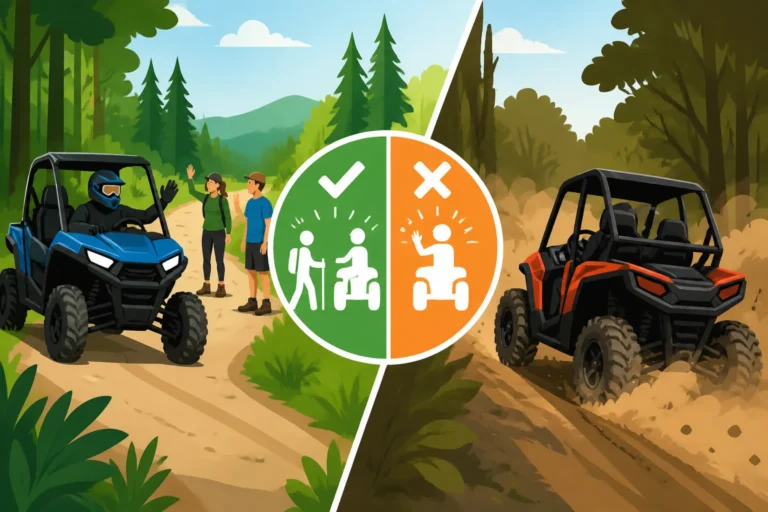
Bug pressure can make everyone impatient, but basic trail courtesy still matters. Signal clearly when stopping, pull well out of the way where it is safe to do so, and avoid crowding another group at a narrow access point. Keep noise and dust in mind when passing other riders, residents, or people using nearby roads.
If your group needs to change plans, do it at a safe stopping point. Do not block a trail while debating the route, and never ride around a barrier or closure because the alternate path looks more comfortable. [Trail Etiquette on Shared Routes] is a useful reminder that a good day out includes making space for other trail users and respecting the route.
A little preparation does not guarantee a bug-free ride. It does make it easier to stay comfortable, make calm decisions, and focus on the trail instead of spending the whole afternoon wishing you had packed another layer.
Disclaimer
This article is for general informational purposes only and does not constitute professional advice. Laws, prices and regulations vary by location and change over time. Consult a qualified professional for guidance on your specific situation.