Michigan Townships That Opened Their Streets to ORVs
Michigan townships and state laws regulate off-road vehicle access on local roads, creating a patchwork of rules for riders.
Legal here, illegal one county over.
What each state allows, the mirrors, horn and signals a conversion requires, and the county and city overrides that quietly change the answer.
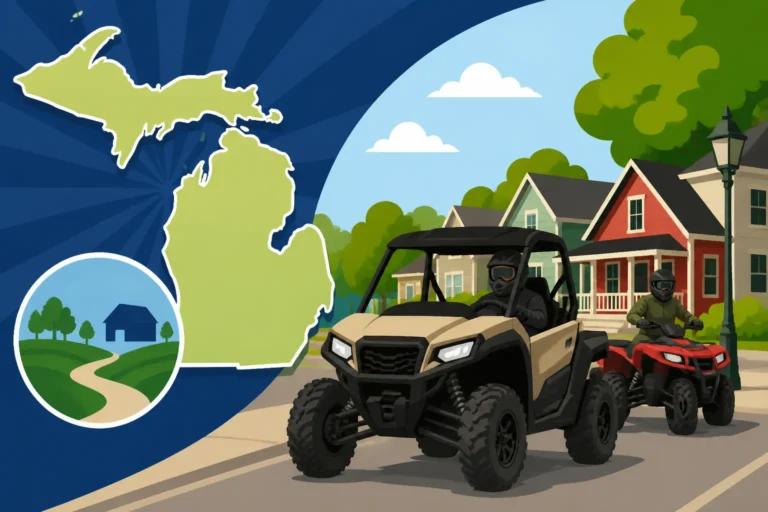
Michigan townships and state laws regulate off-road vehicle access on local roads, creating a patchwork of rules for riders.
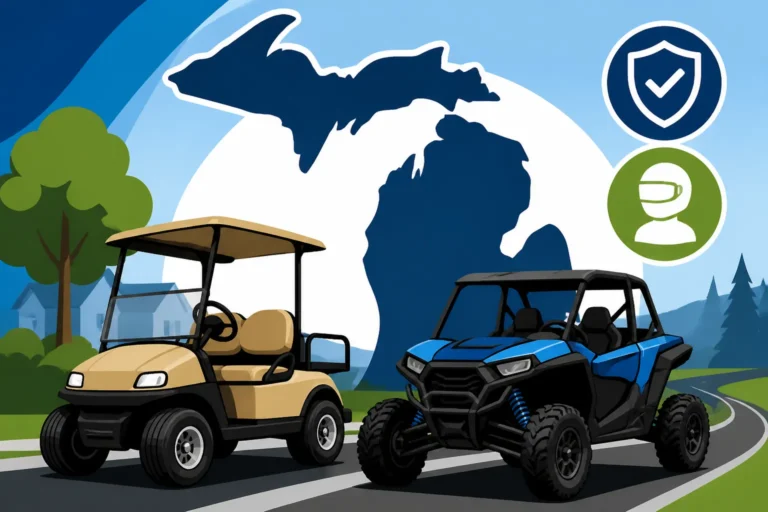
Michigan golf cart and low speed vehicle laws explain legal differences, public road access, and safety requirements.

Michigan helmet laws for ATVs and UTVs explain when riders under age 16 must wear DOT approved headgear on public lands.

Michigan street-legal ORV rules for safety glass, mirrors, and horns explain required equipment for public roads.
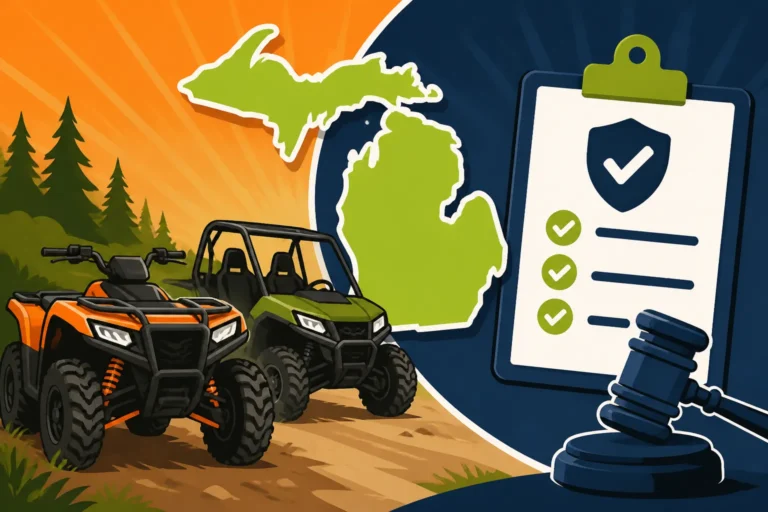
Michigan county ORV ordinances vary widely because state law delegates road access decisions to local boards of commissioners.
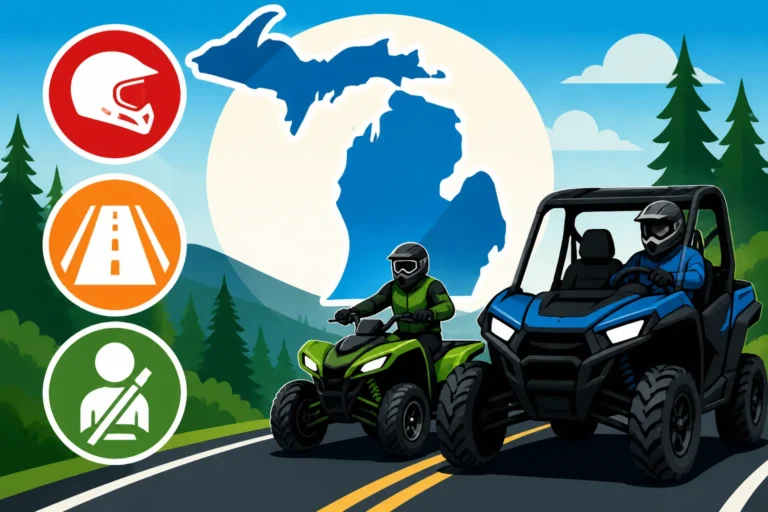
Michigan ORV road rules explain three legal requirements for riding ATVs and UTVs on public county roads safely.
Michigan ORV county road regulations require all off-road vehicles to maintain a maximum speed of twenty-five miles per hour.
Michigan ORV road laws explained through county ordinances and state regulations determining legal ATV and UTV routes.

Michigan assembled vehicle regulations explain how UTV owners can modify off-road machines to meet public road standards.

Michigan side-by-side street legal conversion requires navigating the assembled vehicle pathway, inspections, and required paperwork.