Family-Friendly ORV Trails in Michigan
A family ride can go sideways quickly when a trail is rougher, busier, or longer than expected—or when a child is on a machine that does not fit. This guide helps you choose Michigan ORV areas with your group’s experience in mind, prepare for changing trail conditions, and build a more comfortable day for both young riders and adults.
What Makes a Michigan ORV Trail Family Friendly
Match the route to your least experienced rider
“Family friendly” does not mean the same thing to every group. A route that feels easy to an adult who has ridden for years may feel intimidating to a child or a first-time passenger. Before choosing a destination, consider the youngest rider’s confidence, the vehicle they will use, how long they can comfortably ride, and whether your group can turn around or take a break when needed.
For a first family outing, look for a plan with manageable distances, clear route information, and a straightforward place to stop. A shorter ride is often more enjoyable than trying to cover as many miles as possible. If the kids are still having fun after the first stretch, you can consider extending the outing; if they are tired, sore, or nervous, you have already had a successful ride without pushing on.
Trail conditions can also change the character of a route. A dry, smooth stretch may feel very different after rain, while sand, loose gravel, ruts, roots, and washouts can demand more attention. Read the route information before leaving and be willing to change plans if conditions are outside your family’s comfort zone. Michigan’s [Michigan ORV Trail Difficulty Ratings] can help you think about terrain before committing to a ride.
Look beyond the word “easy”
A beginner-friendly route still calls for responsible riding. Families need to consider traffic, sightlines, intersections, road crossings, trail width, and whether different vehicle types share the route. A route can have mild terrain and still feel busy or stressful if riders are moving in both directions or approaching a confusing junction.
It also helps to think about the whole outing, not only the trail itself. A convenient staging area, nearby fuel, a place to use the restroom, and a realistic route back to the trailer can make a big difference when you are riding with children. A scenic stop or a planned snack break can give younger riders something to look forward to and help prevent fatigue from turning into frustration.
Use official maps and posted signs together. Online maps are useful for planning, but they do not replace signs on the ground or current closure information. [Michigan ORV Trail Maps and What the Signs Mean] is a helpful place to start when you want to understand the route markings before the family is standing at a junction trying to decide which way to go.
Choose a ride with a comfortable exit plan
A family route should have a sensible “what if” plan. Before you start, identify how your group will get back if a machine develops a problem, a young rider loses confidence, or someone needs to stop early. That does not mean you need to map every minute of the day. It means knowing where the group is headed and avoiding a plan that leaves you committed to a long loop with no easy way to shorten it.
If you are riding with multiple machines, agree on a simple regrouping routine. For example, stop at major intersections and wait until the last machine has caught up before continuing. Keep children with a responsible adult, and make sure everyone knows what to do if the group gets separated. A small amount of planning can prevent a stressful search through unfamiliar woods.
Michigan Riding Areas to Consider With Kids
St. Helen for a northern Lower Peninsula outing
St. Helen is a familiar base for ORV trips in Michigan’s northern Lower Peninsula. Its area network can suit families looking for a ride as part of a longer weekend, particularly when the group wants to pair trail time with camping or other outdoor activities. As with any network, the exact feel of a ride depends on the route you choose, the day’s conditions, and your family’s experience.
Plan by the route rather than by the destination name alone. Check the machine-width rules for the trails you intend to use, note how the route connects to roads or other trail segments, and decide where you will stop. If you are bringing a youth machine, do not assume every route in an area is appropriate for every rider or vehicle. Confirm the applicable rules and posted signs before setting out.
Families can use [St. Helen ORV Trails in Michigan] to explore the area as a planning starting point. For a first visit, keep the day flexible: choose a conservative route, leave room for breaks, and avoid scheduling a long ride immediately before another fixed activity. Kids often need more time for gearing up, bathroom stops, snacks, and regrouping than adults expect.
The Little O and Big O for a longer trail-trip plan
The Little O and Big O are well-known trail systems in the Cadillac area, and their connection to a larger riding network can make the region appealing for visitors planning more than a single short outing. That scale is useful for experienced groups, but it also means families should be deliberate about their route. A large trail system is not automatically a good reason to ride farther than the least experienced member can comfortably manage.
Look at the planned distance, surface, and available return options before you leave. Estimate riding time conservatively, especially when your group includes young riders who may need more stops. Confirm that your chosen segment is open to your machine’s width and type, and pay attention to any seasonal notices or temporary closures. The [The Little O and Big O: 139 Michigan Trail Miles] overview can help you understand the area before narrowing down a family-sized route.
For a family day, it can be better to ride a portion of a network and save the rest for another visit. A scenic lunch stop, an easy return to camp, or a relaxed afternoon can be more memorable than finishing a long loop when everyone is tired. If the group is new to trail riding, start with a short segment and use the first ride to learn how your children handle vibration, dust, noise, and time in the seat.
Silver Lake for families who want a dune experience
Silver Lake is a distinctive option because dune riding is different from following a forest trail. Sand and changing terrain call for attentive vehicle control, and the open landscape can make the experience feel exciting—and, for some riders, a little overwhelming. It is not the place to assume that a young rider will be comfortable simply because they enjoy riding on easier ground.
Before going, check the area’s current operating requirements, permitted vehicle rules, and safety expectations. Consider whether a child is better suited to ride as a passenger with an experienced adult, depending on the machine and applicable rules. If your family is new to dunes, learn what to expect before arriving and avoid pressuring anyone to tackle terrain they find intimidating. [Silver Lake Dunes With Kids: What to Know] offers family-specific planning context.
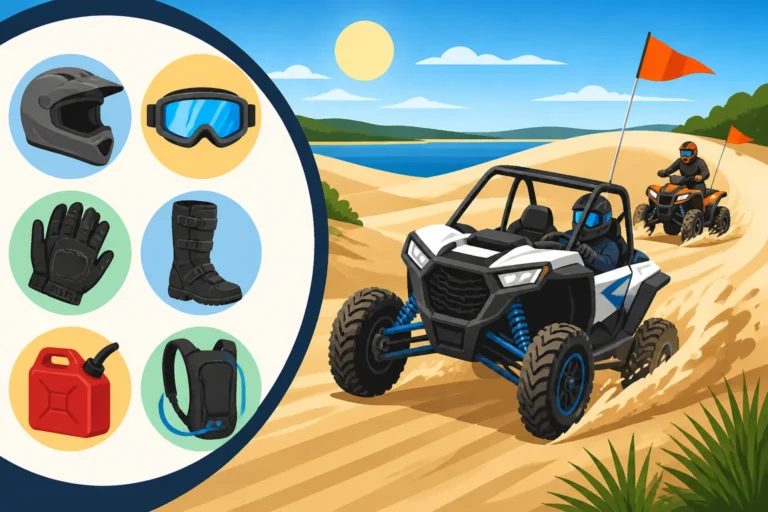
Dune days can also involve extra preparation: sun protection, drinking water, eye protection, and a plan for dust and heat. Build in time for breaks and talk with children about staying close to the group. Do not treat the dunes as a place to test limits; ride within your ability, leave space around other vehicles, and follow posted instructions.
Drummond Island for a destination-style trip
Drummond Island can make a memorable family trip when everyone is ready for a destination outing rather than a quick after-lunch ride. The travel and logistics are part of the experience, so plan your ferry crossing, lodging or camping, machine transport, fuel, food, and route options before you go. A little more preparation helps keep the trip enjoyable once you arrive.
Trail surfaces and conditions can vary, and limestone routes may feel different from sandy or forested riding areas. Check route details and recent notices, and choose a distance that leaves the group enough energy to get back comfortably. A child who is happy riding for an hour near home may respond differently to a longer day away from familiar surroundings, so allow room to adjust the plan.
For first-time visitors, focus on a manageable itinerary rather than trying to see everything. Keep a paper or offline navigation option available, and agree on regrouping points. If the family is unsure about the area, begin with a conservative route and ask local lodging, rental, or trail-area staff about current access conditions without treating informal advice as a substitute for official signs.
How to Plan a Ride That Works for Different Ages
Check youth rules and machine fit before you go
Michigan’s youth riding rules depend on factors that can include a rider’s age, the machine, where it is being operated, and the circumstances of the ride. Parents should review the rules that apply to their child rather than relying on assumptions based on a friend’s family or a previous trip. Start with [Michigan ORV Age Rules for Young Riders] and confirm the relevant details for your specific plans.
Fit matters just as much as age. A child should be able to reach and operate the controls appropriately for the machine they are riding, while also wearing required protective gear. If the machine is too large, too powerful for the rider’s ability, or difficult to control, choosing a different setup is the safer and more enjoyable decision. A child who feels in control is more likely to stay attentive and communicate when they need help.
Some young riders may also need to meet safety-certificate requirements. Review [Michigan ORV Safety Certificate for Riders Under 16] well before the trip so there is time to complete any required training. Keep relevant documents accessible, and do not wait until you are at the trailhead to discover that a rider needs a certificate, supervision, or a different machine arrangement.
Make a route plan everyone can understand
Give the group a simple briefing before starting. Explain the planned route, where you will stop, how riders should behave at intersections, and what to do if someone needs help. Children do not need a complicated map lesson; they do benefit from knowing the basic expectations and having a chance to ask questions before the engines start.
Navigation apps can be useful for reviewing an area and organizing a route. Some riders use onX Offroad to look over trail options before a trip, but the app should be treated as a planning aid, not the final authority on whether a route is open or appropriate. Compare your plan with official information and follow posted signs. In places where cellular service is unreliable, prepare navigation before leaving coverage and carry a backup plan.
During the ride, pause at decision points and check that the whole group is together. A family that splits at a junction can lose time and create avoidable worry, especially if children are riding or riding as passengers. If you need to change your route, stop in a safe place, regroup, and make sure every rider understands the new plan before moving again.
Build the day around breaks and changing energy
Children may tire before adults notice the signs. Fatigue can show up as irritability, distraction, slower responses, or a sudden reluctance to continue. Dust, vibration, noise, heat, and a long time wearing gear can make a short ride feel much longer. Plan breaks before anyone is worn out rather than waiting until a child is already miserable.
Pack water, snacks, weather-appropriate layers, and any personal items your group may need. Bring a basic first-aid kit and a way to communicate if you have to stop. [Packing List for a Full Trail Day] can help you make a checklist, but tailor it to the season, route length, machine, and ages in your group.
Be ready to end early. Turning back is not a failure; it is good judgment. If a rider is frightened, the weather turns, a machine is acting strangely, or the route feels more difficult than expected, adjust the plan. A calm, early decision is usually easier on everyone than insisting on finishing a loop at all costs.
Family Trail Planning by Ride Style
| Family ride style | What to look for | Common planning concern | A useful approach |
|---|---|---|---|
| First trail outing | Short route, clear navigation, easy regrouping | New sounds, dust, or uncertainty | Choose a conservative distance and schedule breaks |
| Mixed-experience group | Routes with options to shorten or turn back | Fast riders pulling ahead | Set a steady pace and regroup at junctions |
| Youth-machine ride | Routes that fit the machine and rider | Age, training, and width rules | Check requirements before travel and follow signs |
| Destination weekend | Nearby camping, fuel, and route choices | Overpacking the itinerary | Plan one main ride and leave time to rest |
| Dune visit | Clear operating instructions and suitable gear | Sand conditions and rider confidence | Prepare ahead and let each rider set a comfortable limit |
Make permits and access part of the plan
Before loading the trailer, confirm what permits or licenses apply to the machine and the places you plan to ride. Requirements can differ by location and type of riding, so make sure your paperwork matches your itinerary. [Michigan ORV License and Trail Permit Explained] is a useful starting point for understanding the distinction between the relevant requirements.
Do not assume that a permit for one kind of access automatically covers every place or activity on your route. Check the official information for your destination, verify the permit year and placement instructions, and make sure each machine has what it needs. If you are renting, ask the rental provider which requirements are handled and which remain your responsibility.
Also check for closures, seasonal restrictions, and local access rules shortly before departure. A route that was open during a previous visit may be affected by weather, maintenance, or a temporary closure. Download or save the information you need before you lose cell service, and keep the destination’s official map or posted notices as your reference on the ground.
Choose a destination based on the whole family’s comfort
The best destination is not necessarily the one with the most miles or the biggest reputation. For some families, a straightforward day at a familiar riding area is the right choice; others may be ready for a longer trip to Drummond Island or a first dune outing at Silver Lake. Think about travel time, lodging, the children’s tolerance for long days, and how much experience the adults have supervising a group on trails.
Use onX Offroad to help compare possible routes and think through your navigation plan, then cross-check the route against official information. A phone can be useful for planning, but it should not be the only thing your family depends on in an area with spotty service. Save maps in advance, carry a power source, and make sure the group can still find its way if a device fails.
For a first ride, a modest plan often wins. Pick one area, choose a route that matches your least experienced rider, and leave the rest of the day unscheduled. Once the family has a feel for the terrain, pace, and gear, you can make a more ambitious plan for the next outing.
A Practical Pre-Ride Checklist for Parents
Before loading the machines
Confirm that the vehicle and trailer are ready, the machines are in sound working condition, and each rider has appropriate protective equipment. Check tire condition, controls, lights, fuel, and any machine-specific items you would not want to troubleshoot at the trailhead. If a machine has been sitting for months, a quick inspection at home is preferable to discovering a problem after the group has geared up.
Look over the route and confirm the rules for the machines you are bringing. Check for width limits, access restrictions, current closures, and any youth requirements that apply. Ensure the children know which adult they are riding with and that everyone understands the group’s meeting plan. If a machine is being trailered separately or a family member is arriving later, agree on a clear meeting point.
Finally, set expectations about pace. Let children know that the group will stop to regroup and that no one should race to catch up. Explain that asking for a break is welcome. That simple reassurance can help a nervous young rider speak up before fatigue or worry builds.
At the trailhead
Take a few minutes to orient everyone before starting. Read the posted information, check that the route still fits the day’s conditions, and make sure all riders can identify the group leader and the person bringing up the rear. If the trailhead is busy, wait until the group is organized rather than trying to sort out helmets, maps, and children while vehicles are moving around you.
Use the first part of the ride as a check-in. Notice whether the youngest rider is comfortable with the pace, terrain, noise, and dust. If something feels wrong, stop in a safe location and reassess. It is much easier to change the plan early than after the group has committed to a lengthy route.
When the ride ends, give everyone time to cool down and talk about what worked. Ask children which part they enjoyed and which part felt difficult. That feedback helps you choose a better route next time and teaches young riders that careful planning is part of enjoying Michigan’s ORV trails.
Disclaimer
This article is for general informational purposes only and does not constitute professional advice. Laws, prices and regulations vary by location and change over time. Consult a qualified professional for guidance on your specific situation.