Sheriff Patrols on ORV Routes
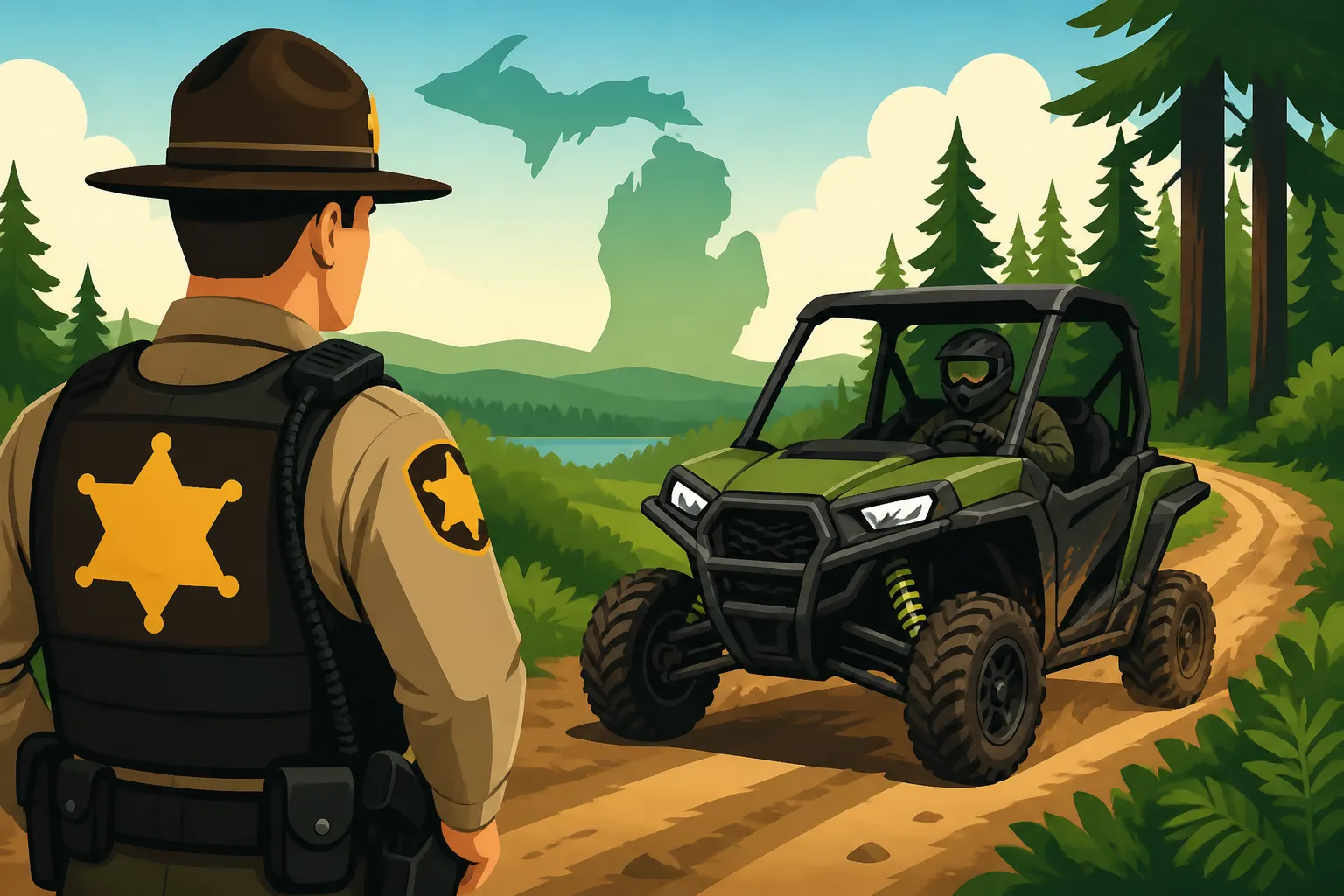
It's a common scene: you're out enjoying a beautiful Michigan day on an ORV route, feeling the wind, hearing the engine hum, and then you spot those flashing lights in your rearview mirror. Your heart sinks a little, questions race through your mind – Did I do something wrong? Is my paperwork in order? This guide is here to help you understand why sheriff deputies patrol ORV routes in Michigan, what they're looking for, and how to navigate an encounter with law enforcement calmly and confidently, ensuring your ride stays fun and legal.
Understanding Why Sheriffs Patrol ORV Routes in Michigan
For many ORV enthusiasts, the idea of seeing a sheriff deputy on the trail can bring a knot of anxiety. It's easy to feel like you're being targeted, but understanding the multifaceted role of law enforcement on these routes can help change that perception. It's not always about catching someone doing something wrong; often, it's about maintaining safety and public access for everyone.
Ensuring Rider Safety and Public Order
One of the primary reasons for law enforcement presence on Michigan's ORV routes is ensuring the safety of all riders and the general public. Think about popular spots like the Holly Oaks ORV Park or the vast trail systems in the Upper Peninsula – these places can get incredibly busy, especially on weekends and holidays. With more machines and more riders, the potential for accidents or conflicts naturally increases. Sheriffs' patrols serve as a deterrent to reckless behavior and a rapid response if an incident occurs.
Deputies are often the first responders to serious accidents deep in the woods, where cell service might be spotty, and they're crucial in coordinating search and rescue efforts if a rider goes missing. They're also there to manage traffic at busy staging areas and trailheads, preventing chaos and ensuring everyone can get out and ride without undue stress. From managing noise levels near residential areas to addressing concerns about large groups, their presence helps maintain a sense of order that allows more people to enjoy the trails respectfully.
Enforcing Michigan's ORV Laws and Regulations
Let's be honest, laws and regulations can sometimes feel like a burden, but they exist for good reasons: protecting our natural resources, ensuring fair use, and keeping everyone safe. Sheriff deputies are tasked with enforcing Michigan's comprehensive ORV laws, which cover everything from proper titling and registration to age restrictions and operating guidelines. Without enforcement, chaos would quickly ensue, and the privilege of riding on public lands could easily be jeopardized.
Deputies are looking to ensure that machines are properly titled, which is a key step in proving ownership and preventing theft. If you've ever had questions about how to properly transfer ownership after a sale, understanding [Michigan ORV Title Transfer When You Buy From a Private Seller] is essential. They also check for current ORV licenses and trail permits, which are vital for funding the maintenance and expansion of the very trails we all love to ride. These checks aren't just about collecting fines; they're about upholding the framework that keeps Michigan's ORV system viable for future generations.
Responding to Community Concerns
Another significant driver behind sheriff patrols is direct feedback and complaints from local communities and landowners. It's a reality that not everyone loves ORVs, and sometimes, a few irresponsible riders can spoil the experience or reputation for many. Noise complaints, instances of trespassing onto private property, or reports of unsafe driving behavior near homes can all lead to increased law enforcement presence in specific areas.
Imagine a small town nestled near a popular ORV route. If riders are consistently speeding through residential streets (even if those streets are designated ORV routes with specific speed limits), causing excessive noise, or venturing off into private fields, the local sheriff's department will hear about it. Deputies are responding to these calls, acting as a bridge between the riding community and the general public. While it can be frustrating to feel like you're being scrutinized, understanding that their presence is often a response to genuine community concerns can help put things in perspective. It underscores the importance of every rider being a good ambassador for the sport.
What Sheriff Deputies Look for During an ORV Stop
When a deputy pulls you over on an ORV route, it’s natural to feel a bit on edge. Knowing what they typically inspect can help you prepare and ensure your ride goes smoothly. It’s less about being perfect and more about demonstrating you’re a responsible and compliant rider.
Paperwork and Identification Checks
The first thing almost any deputy will ask for is your paperwork. This is standard procedure, just like getting pulled over in your car. For an ORV, this usually includes several key documents:
- Your Driver's License or State ID: If you're operating on a road-legal route, or if the deputy simply needs to identify you.
- Proof of Ownership/Title: This demonstrates that the machine legally belongs to you. Make sure you understand the nuances of [Michigan ORV Title Application and What It Costs] or [Michigan ORV Title Problems and How to Clear Them] if you've ever had issues.
- Michigan ORV License Sticker: This is the annual sticker affixed to your machine, indicating it’s properly registered. You might want to brush up on [Michigan ORV License and Trail Permit Explained] to be sure you have the right one for your specific riding areas.
- Michigan ORV Trail Permit Sticker: An additional sticker required for riding on designated state-managed ORV trails and routes.
Deputies will cross-reference these documents to ensure everything is current and matches the machine you are operating. While you don't need to carry the physical title on the trail (it's best kept safe at home), you absolutely need the current ORV license and trail permit stickers properly displayed. It’s a good practice to keep a copy of your machine's registration in a waterproof bag on your person or in a secure compartment on your ORV, just in case. Knowing what to expect regarding [Michigan ORV Paperwork During a DNR Stop] is good preparation for any law enforcement encounter.
Equipment Compliance and Safety Gear
Beyond paperwork, deputies are keenly focused on the safety and legal compliance of your machine and your personal gear. They're looking for adherence to Michigan's ORV equipment standards.
- Helmets: Michigan has specific helmet laws, especially for younger riders or when operating ATVs. While street-legal UTVs might have exemptions under certain conditions, a DOT-approved helmet is often a requirement. Understanding [Michigan Helmet Law for ATV Riders] is crucial.
- Lights: Your ORV needs functional headlights and taillights, especially if you're riding at dusk, dawn, or in low-light conditions. Brake lights are also important for safety.
- Spark Arrestor: This is a crucial piece of equipment that prevents sparks from your exhaust from igniting dry vegetation, a real risk in Michigan's forests. Deputies will often visually inspect this or ask if your machine is equipped.
- Tires: If you're riding on designated county roads or attempting a street-legal conversion, DOT-approved tires might be a requirement. Many riders upgrading their UTVs to be more road-friendly will seek out accessories from reputable brands like SuperATV, ensuring their machines meet all necessary specifications for things like [Safety Glass, Mirrors and Horns: Michigan's Street-Legal List].
- Muffler/Exhaust: Excessive noise can be a source of community complaints. Deputies might check for aftermarket exhausts that exceed legal sound limits.
- Vehicle Width: Some trails have width restrictions (e.g., 50-inch trails). If your side-by-side is wider than permitted for a specific trail, you could be in violation.
It’s always best to do a pre-ride check of all your equipment to ensure everything is in working order and compliant with regulations. This not only keeps you safe but also helps avoid unnecessary citations.
Operator Behavior and Impairment
Finally, and perhaps most critically, deputies are observing operator behavior. This isn't just about catching someone doing something overtly illegal, but also about ensuring general safe operation.
- Reckless Driving: Excessive speed, doing "wheelies" or "donuts" in inappropriate areas, or unsafe passing are all behaviors that attract attention.
- Riding Off Designated Trails: Venturing off marked routes onto private land or sensitive environmental areas is a serious violation and a common cause of citations. This is why [How to Find Your Michigan County's ORV Ordinance] is so important – rules vary.
- Operating Under the Influence (OWI): Just like with cars, operating an ORV while impaired by alcohol or drugs is illegal and extremely dangerous. Deputies are trained to look for signs of impairment. Understanding [Michigan ORV Alcohol Limit and Penalties] can save you from severe legal consequences and prevent tragic accidents.
- Age Restrictions: Ensuring that young riders are on age-appropriate machines and adhering to supervision rules is a priority, particularly for ATVs.
Being a responsible and courteous rider goes a long way. When you ride safely and respect the rules, you not only protect yourself and others but also contribute positively to the ORV community's reputation.
How to Handle an Encounter with Law Enforcement on the Trail
Coming face-to-face with a sheriff deputy on the trail can be startling, but how you react can significantly influence the outcome of the stop. The key is to remain calm, cooperative, and respectful.
Remaining Calm and Cooperative
Your immediate actions when a deputy signals you to stop are crucial. First and foremost, pull over to a safe spot, off the main trail if possible, and turn off your engine. This shows respect and allows for clear communication, as ORVs can be quite noisy. Keep your hands visible, perhaps resting them on the handlebars or steering wheel.
A calm and cooperative demeanor can de-escalate any potential tension. Deputies are people too, and a polite, respectful interaction is far more likely to end positively than an argumentative or defensive one. Answer questions clearly and honestly. If you don't understand a question, politely ask for clarification. Remember, their primary goal is usually to ensure safety and compliance, not necessarily to ruin your day. Even if you believe you haven't done anything wrong, a calm conversation is always the best starting point.
Knowing Your Rights and Responsibilities
While cooperation is key, it's also important to be aware of your basic rights. You are generally required to provide identification and your ORV's registration/permit information. You have the right to remain silent if you are being questioned about a potential crime, but you must provide your identity if requested.
You don't have to consent to a search of your person or your ORV without a warrant or probable cause, but this can be a nuanced area. If a deputy asks to search your machine, you can politely state, "I do not consent to a search, but I will cooperate with any lawful requests." Do not physically resist; if they proceed with a search, make a mental note of it. The goal is to assert your rights respectfully, not confrontationaly. Avoid arguing with the deputy on the side of the trail. If you believe a mistake has been made, address it through proper legal channels later.
Documenting the Interaction (Respectfully)
In today's world, many people choose to document interactions with law enforcement using their phones. While generally legal, there are considerations specific to ORV routes and maintaining a respectful posture. If you choose to record, ensure it doesn't interfere with the deputy's duties or create a safety hazard. Hold your phone steadily, don't brandish it aggressively, and inform the deputy you are recording if that feels appropriate for the situation, though it's not always legally required.
The main benefit of documenting is to create an objective record of the interaction, should there be any disputes later. However, it's crucial that recording doesn't become a distraction or lead to arguments. Your priority should still be to remain calm and cooperative, providing the requested information. A clear, unedited recording can be helpful, but a confrontational one will likely only make things worse.
Common Violations and Ways to Avoid Them
Even seasoned riders can sometimes fall prey to common ORV violations in Michigan, often due to oversight rather than intent. Knowing these pitfalls can help you avoid fines and keep your riding experience enjoyable.
Overlooked Paperwork and Permit Issues
This is perhaps the most frequent reason riders find themselves pulled over. It's easy to forget to renew an annual permit or misplace a sticker.
- Expired ORV License or Trail Permit: Michigan's ORV license year runs from April 1st to March 31st. It's easy to let it lapse, especially if you only ride seasonally. Always check the expiration date. The penalty for riding without a proper license or permit can be significant, as detailed in [Fines for Riding Without a Michigan ORV License].
- Missing or Improperly Displayed Stickers: Your ORV license and trail permit stickers must be visible on the machine in designated areas. A sticker peeled off in the cold, or one that's simply not there, will draw attention.
- No Proof of Ownership: While you don't need the physical title on the trail, having accessible registration or proof of purchase can be critical if there's any question about who owns the machine. This is especially true for machines with complex ownership histories, which can sometimes lead to [Michigan ORV Title Problems and How to Clear Them].
How to Avoid: Set a reminder on your phone for April 1st each year to renew your ORV license and trail permit. When you receive your new stickers, affix them immediately and securely. Keep digital copies of your registration on your phone or printed copies in a waterproof bag on your machine.
Riding Off Designated Trails or on Closed Routes
Michigan has an incredible network of ORV trails and routes, but they are clearly marked for a reason. Veering off these paths can lead to serious consequences.
- Trespassing: Riding onto private property without permission is illegal and can result in fines, impoundment of your ORV, and even legal action from landowners. Respect "No Trespassing" signs.
- Riding on Closed Trails or Sensitive Areas: Some trails are seasonally closed (e.g., during mud season to prevent damage), or certain areas are off-limits to protect wildlife or fragile ecosystems. Ignoring these closures damages the environment and the reputation of ORV riders.
- Illegal Road Riding: Not all county roads are open to ORVs, and even on those that are, specific rules (like speed limits or time-of-day restrictions) apply. Make sure you know the local ordinances for where you're riding. A good start is learning [Michigan's 25 mph Limit on County Roads].
How to Avoid: Always consult official Michigan DNR trail maps or reliable GPS apps like onX Offroad. Pay attention to all signage on the trails. If a trail is marked closed, respect it. When riding near populated areas, be acutely aware of property lines and local road ordinances.
Equipment Failures and Safety Gear Neglect
Basic maintenance and adherence to safety gear rules are not just good practice; they are often legal requirements.
- Non-Functional Lights: Riding without working headlights or taillights, especially after dark or in low visibility, is a safety hazard and a violation.
- Missing Spark Arrestor: As mentioned, this is a critical fire prevention device. A missing or damaged spark arrestor can lead to citations.
- Lack of Required Safety Gear: Helmets and eye protection are often mandatory, especially for younger riders or in situations where street-legal exemptions don't apply.
- Improper Machine Modification: While many riders enjoy customizing their machines (often with high-quality parts from brands like SuperATV), some modifications can make an ORV non-compliant. For example, extremely loud exhausts or certain tire types might not be legal for specific routes.
How to Avoid: Perform a pre-ride inspection before every outing. Check all lights, brakes, tire pressure, and ensure your spark arrestor is intact. Always wear a DOT-approved helmet and appropriate eye protection. If you're modifying your machine, research Michigan's specific ORV equipment laws to ensure your upgrades are compliant.
Here's a quick overview of common violations and how to avoid them:
| Violation | What Deputies Look For | How to Avoid |
|---|---|---|
| No ORV License/Trail Permit | Sticker on machine, expiration date | Buy annually by April 1st, affix stickers securely |
| Riding Off Designated Routes | GPS tracking, physical observation, tire tracks | Stay on marked trails, respect "No Trespassing" signs, check maps |
| Operating Under the Influence | Erratic driving, signs of impairment, open containers | Never drink alcohol or use drugs before or while riding |
| No Helmet (Age/Vehicle Specific) | Rider's age, visible helmet/lack thereof | Ensure all riders (especially minors) wear DOT-approved helmets |
| Non-Functional Lighting | Headlights, taillights, brake lights not working | Test all lights before each ride, carry spare bulbs if possible |
| Missing Spark Arrestor | Visual inspection of exhaust | Ensure it's installed and in good condition |
| Reckless Operation | Excessive speed, wheelies, unsafe passing | Ride responsibly, obey posted speed limits, be courteous |
| Improper Passenger Count/Seating | More passengers than designed, riders on handlebars/fenders | Follow manufacturer's passenger limits and seating guidelines |
Preparing for a Worry-Free Ride on Michigan's ORV Routes
The best way to handle sheriff patrols is to never give them a reason to stop you in the first place! A little preparation can go a long way in ensuring your rides are not only thrilling but also totally compliant and stress-free.
Pre-Ride Checklist for Compliance
Before you even pull out of your driveway, running through a quick checklist can save you a lot of headaches on the trail. This isn't just about avoiding a ticket; it's about being prepared for any situation Michigan's diverse terrain might throw at you.
- Paperwork Check: Do you have your current ORV license and trail permit stickers firmly affixed? Is your driver's license (if needed) and any proof of ownership (like a registration card) secured in a waterproof bag on your person or machine?
- Safety Gear: Is everyone wearing a DOT-approved helmet and eye protection? Are seatbelts buckled in UTVs?
- Machine Condition:
- Lights: Are all headlights, taillights, and brake lights working?
- Brakes: Are your brakes responsive and firm?
- Tires: Are they in good condition with appropriate pressure? For street-legal conversions, are they DOT-approved? Many riders find that durable, compliant accessories from companies like SuperATV, such as their DOT-approved windshields or mirrors, are essential for peace of mind.
- Spark Arrestor: Is it installed and in good condition?
- Fuel: Do you have enough for your planned ride, plus a little extra?
- Horn/Warning Device: If required for road riding, is it functional?
- Emergency Supplies: Do you have a small first-aid kit, a basic tool kit, a phone with a full charge, and possibly a way to get help if you break down?
A quick visual inspection and function check before each ride can make all the difference, helping you catch potential issues before they become problems on the trail or attract the attention of law enforcement.
Staying Informed on Local Ordinances
Michigan's ORV laws can sometimes feel like a patchwork, with state regulations, county ordinances, and even township-specific rules. What's legal in one area might not be in another, especially when it comes to road access.
- County-Specific Rules: Many counties have adopted their own ORV ordinances that dictate which roads are open, speed limits, and even times of day for riding. A fantastic resource is learning [How to Find Your Michigan County's ORV Ordinance] so you can be sure you're riding legally in that particular jurisdiction.
- Trail System Rules: Even within state forest land, specific trails might have restrictions on vehicle width (e.g., 50-inch trails), or certain areas may be off-limits.
- Seasonal Closures: Be aware of seasonal trail closures, often in spring for mud season, which are crucial for preserving trail integrity.
How to Stay Informed: Check the Michigan DNR website for current maps and trail closures. Use reputable ORV mapping apps that update regularly. Look for signage at trailheads. A few minutes of research before you head out can prevent confusion and potential violations, ensuring your ride is always on the right side of the law.
The Importance of a Good Attitude
Ultimately, being a responsible ORV rider in Michigan is about more than just following the letter of the law; it's about embodying a good attitude. When you ride courteously, respect private property, stay on marked trails, and maintain a safe machine, you're doing more than just protecting yourself. You're being an ambassador for the entire ORV community.
A positive interaction with a sheriff deputy, knowing your rights, and demonstrating your commitment to safe and legal riding, helps foster goodwill. This can lead to better relationships between riders, local communities, and law enforcement, which in turn helps ensure continued access to Michigan's incredible ORV routes for everyone. So gear up, stay informed, and ride safe – the trails are waiting!
Disclaimer
This article is for general informational purposes only and does not constitute professional advice. Laws, prices and regulations vary by location and change over time. Consult a qualified professional for guidance on your specific situation.