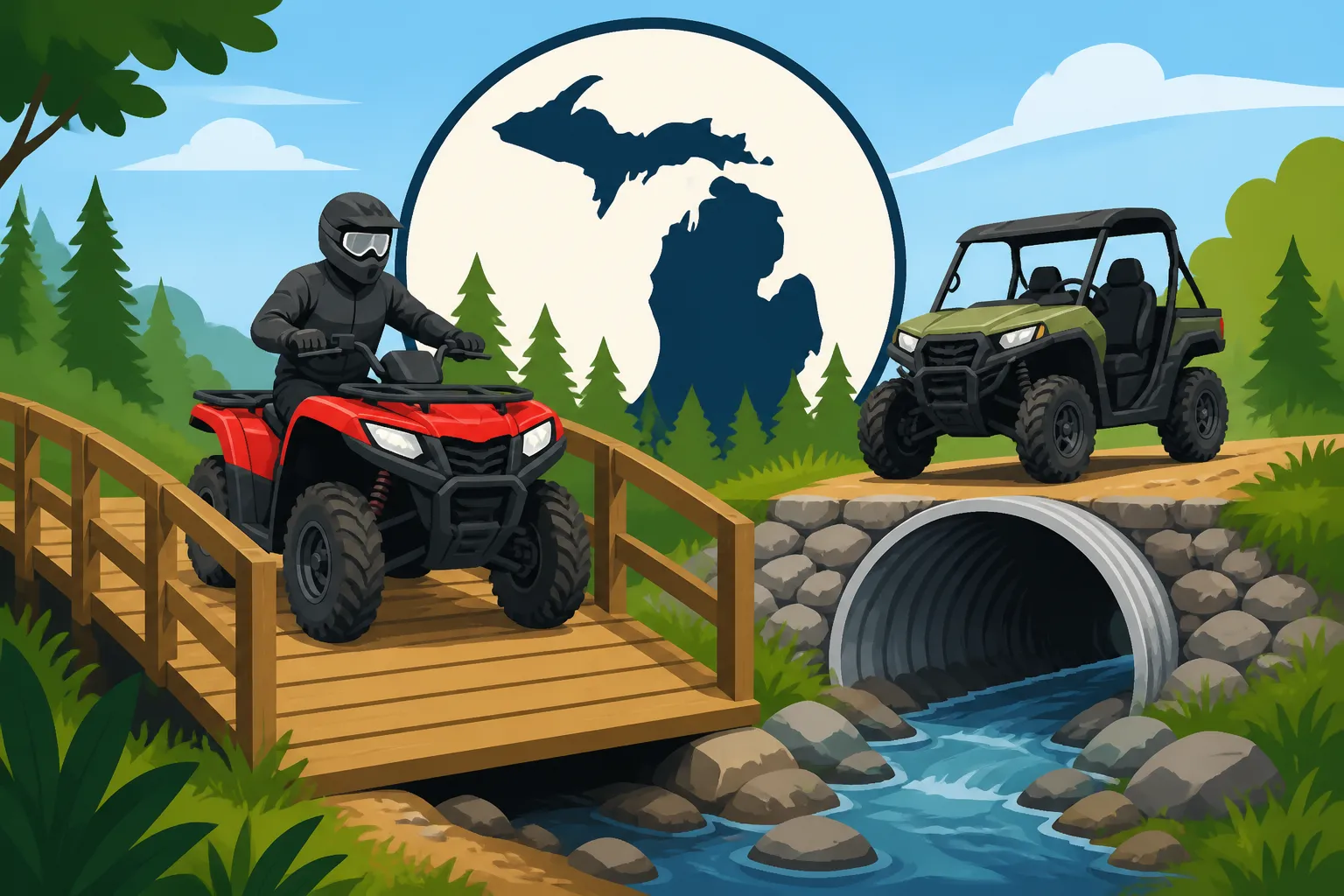
Bridge and Culvert Crossings on ORV Routes
One common point of confusion for Michigan ORV riders, especially those new to exploring the vast network of trails and roads, revolves around bridges and culverts. It's not always clear how to legally and safely navigate these structures, leading to understandable hesitation or, worse, unintended violations. This guide will meticulously break down Michigan's rules for crossing bridges and culverts on ORV routes, offering practical advice to ensure you stay safe, legal, and respectful of the environment and other road users.
Understanding Michigan's ORV Bridge and Culvert Rules
Michigan's rules for off-road vehicles (ORVs) on public lands and roads are designed to balance access with safety and environmental protection. Bridges and culverts, while seemingly minor parts of the journey, have specific considerations due to their structural nature, the presence of water, and their importance to the overall transportation infrastructure. It's not just about getting from one side to the other; it's about doing so responsibly.
The "Maintained Portion of the Road" Distinction
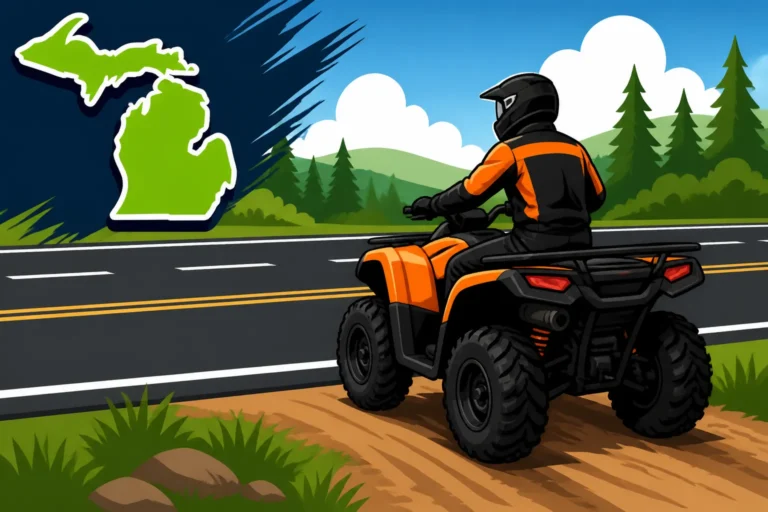
Much of Michigan's ORV road riding policy hinges on the concept of the "maintained portion of the road." When county roads are open to ORVs, riders are typically allowed on the far right of the maintained portion of the road or on the extreme right of the improved shoulder. This specific phrasing is crucial because it helps define where an ORV can and cannot operate, particularly around structures like bridges. A bridge is, by its very nature, a maintained portion of the road, and often the shoulders narrow or disappear entirely as you approach it. This means your space for maneuver is reduced, and your interaction with other traffic becomes more direct. Understanding [Michigan's Maintained Portion of the Road, Defined] is fundamental to safe and legal operation.
For designated ORV trails, the rules are often simpler because the entire path is generally considered part of the ORV system. However, even on trails, bridges and culverts are critical points that demand attention. They are engineered structures, not just natural terrain, and require specific care from riders to prevent damage and ensure longevity for everyone's enjoyment.
Why Bridges and Culverts Are Special Cases
Bridges and culverts are not just more difficult parts of a trail; they serve vital functions. Bridges carry roads and trails over rivers, streams, ravines, and other obstacles, while culverts are pipes or structures that allow water to flow under a road, trail, or railway. Their construction involves engineering principles designed to handle specific loads and environmental conditions. Driving an ORV incorrectly over these structures can lead to several problems. For instance, excessive speed can create unnecessary stress on the bridge decking or cause erosion around culvert ends. Off-trail riding to bypass a bridge or culvert can severely damage sensitive ecosystems, especially wetlands or riparian zones, leading to penalties. They are bottlenecks where trails and roads intersect with natural features, and thus, rules are often stricter to protect both the infrastructure and the environment.
Another key reason they are special cases is public safety. Many bridges on county roads are shared with cars, trucks, and even pedestrians or cyclists. ORV riders must recognize that these are high-traffic conflict zones, even in rural areas. Visibility can be reduced, and the sound of an approaching ORV might not be heard over other traffic or natural sounds. Ensuring all users can safely share these points is paramount.
General Rules for Crossing Any Bridge or Culvert
Regardless of whether you're on a designated ORV trail or a county road, a few overarching principles apply to bridge and culvert crossings in Michigan. First and foremost, slow down. Reduced speed allows for better control, quicker reaction times, and less impact on the structure itself. It also significantly reduces the risk of collision with other users.
Second, stay on the designated path. Never attempt to go around a bridge or culvert by driving off the trail or road. This not only causes environmental damage but can also be incredibly dangerous, leading to hidden obstacles, deep water, or unstable ground. The path is there for a reason, and it’s the safest way to cross.
Third, yield to other traffic. On county roads, ORVs must always yield to conventional vehicle traffic. This includes stopping and moving to the side if necessary to allow cars to pass safely, especially on narrower bridge sections. Even on shared multi-use trails, it's good etiquette to yield to slower traffic or pedestrians. You can learn more about [Michigan's 25 mph Limit on County Roads] and how it applies to various road types.
Finally, observe posted signs. Many bridges or culverts, particularly on trails, will have specific signs indicating weight limits, speed restrictions, or other important safety information. These signs are not suggestions; they are directives meant to protect you and the infrastructure. Disregarding them can lead to fines, damage, and even injury.
Navigating Different Types of Crossings Safely
Michigan's diverse landscape means you'll encounter various types of bridges and culverts. Knowing the specific context of your crossing can help you apply the general rules more effectively and stay safe. Whether it's a small drainage ditch or a larger river crossing, each has its nuances.
Crossing Over Small Culverts and Drainages
Small culverts and drainages are incredibly common on Michigan's ORV trails and even on some unpaved county roads. These are often designed to allow natural water flow under the riding surface, preventing washouts and maintaining the trail's integrity. While they might seem less intimidating than a large bridge, they still demand your attention.
The primary concern with small culverts is often traction and approach angle. Depending on the construction, the material over the culvert (like gravel, dirt, or even small planks) can be loose or uneven. Approach these slowly and straight on, avoiding sharp turns that could cause a tire to slip into the culvert opening or off the edge of the reinforced area. If there's standing water, assess its depth before proceeding. Remember, even a shallow-looking puddle can hide a deeper hole or debris. For those who frequently navigate challenging terrain, accessories like robust skid plates or A-arm guards from brands like SuperATV can provide extra protection for your machine's undercarriage against unseen obstacles, giving you peace of mind.
Another critical aspect is environmental impact. Culverts are designed to manage water flow. Driving through stream beds or creating new paths around them can lead to erosion, silting of waterways, and destruction of habitat. Always cross directly over the culvert structure, keeping your ORV's tires on the established trail. If a culvert appears damaged or clogged, report it to the trail authority (often the DNR or local club) rather than attempting to fix it or bypass it unsafely.
Bridges on Designated ORV Trails and Routes
Michigan boasts thousands of miles of dedicated ORV trails, and these often include purpose-built bridges designed specifically for off-road vehicles. These bridges are usually narrower than road bridges and constructed with materials like wood, steel, or composites. They are fantastic for connecting segments of trail and allowing passage over natural barriers.
When approaching a bridge on a designated ORV trail, visualize your path. Look for the entrance and exit points, and any curves or obstacles. Often, these bridges have railings or side barriers, but you still need to be precise. Maintain a moderate, consistent speed – fast enough to carry momentum but slow enough to react to any changes. Avoid sudden braking or acceleration while on the bridge, as this can destabilize your machine, especially if the surface is wet or uneven.
Some trail bridges might have open grates or spaced planks. Be mindful of these, as they can sometimes feel unsettling or cause your tires to momentarily lose traction if you hit them at an awkward angle. If you're riding a smaller ATV, ensure your tires won't slip between any gaps. For these crossings, it’s good to follow in the tracks of a vehicle with a similar wheelbase if possible. Always adhere to any posted weight limits; exceeding them can cause structural failure and serious injury. Getting stuck and needing recovery on a bridge is a dangerous situation, so it’s always best to be prepared and understand [Michigan ORV Accident Reporting Requirements].
Crossing Bridges on County Roads Open to ORVs
Navigating bridges on county roads that are open to ORVs requires a heightened level of awareness due to shared use with conventional vehicles. These bridges can range from small, single-lane structures to wider, multi-lane crossings. Regardless of size, the rules of the road apply, and your ORV is considered secondary to standard traffic.
The most important rule here is extreme caution and yielding. As you approach a bridge, be prepared to slow down significantly, and if necessary, pull over to the side (if there's a safe shoulder) to allow cars to pass before you proceed. On narrow bridges, this might mean waiting until there's no oncoming traffic. Visibility can be limited on bridges, so bright headlights and taillights are crucial, even during the day. Consider investing in enhanced lighting options, like those offered by SuperATV, if you frequently ride on shared roads. This helps ensure you are seen by other drivers, especially when the sun is low or the weather is poor.
Remember the "maintained portion of the road" rule: you should be riding as far to the right as safely possible. On bridges, this means staying within the marked lane or as close to the guardrail as you can without scraping it. Do not attempt to ride on sidewalks or pedestrian walkways unless explicitly signed as an ORV route, which is extremely rare. Familiarize yourself with [Michigan ORV Road Rules for Riders Under 16] if you have younger riders with you, as their presence requires even greater vigilance on shared roads.
| Bridge/Culvert Type | Typical Location | Key Safety Considerations | Priority Action |
|---|---|---|---|
| Small Culvert/Drainage | ORV Trails, Unpaved Roads | Traction, uneven surface, hidden depth, environmental impact | Slow, straight approach; stay on established path |
| Designated ORV Trail Bridge | ORV Trails, Multi-use Paths | Width limits, surface material, posted weight limits | Moderate, consistent speed; precise steering |
| County Road Bridge | Paved/Gravel County Roads | Shared traffic, reduced shoulder, visibility, speed limits | Yield to vehicles; extreme caution; stay right |
Best Practices for Responsible Bridge and Culvert Crossings
Beyond the explicit rules, adopting a mindset of responsibility and preparedness will significantly enhance your safety and enjoyment when encountering bridges and culverts. It's about being a good steward of the trails and roads, and a courteous fellow user.
Safety First: Pre-Crossing Checks and Speeds
Before you even get to a bridge or culvert, a quick mental checklist can save you a lot of trouble. Check your surroundings: Are there any other vehicles, pedestrians, or cyclists? Is the approach clear? Are there any signs you might have missed? This quick scan ensures you're aware of everything that could impact your crossing.
Adjust your speed well in advance. Don't wait until you're right on top of the structure to slam on the brakes. Gradually reduce your speed as you approach, allowing time to assess the surface, traffic, and any potential hazards. On bridges, a reduced speed lessens your machine's impact on the structure and gives you more time to react to unexpected situations, like a sudden gust of wind or an animal darting out. [Michigan's 25 mph Limit on County Roads] is a general guideline, but on bridges, an even lower speed might be appropriate.
Maintain control. Ensure your hands are firmly on the handlebars and your body is positioned for optimal balance. Avoid distractions like checking your phone or adjusting gear while actively crossing. Your full attention should be on the path ahead and your immediate surroundings. If you're riding with a passenger, ensure they are also prepared and know to remain still and balanced. Check out [Michigan Passenger Rules on an ATV] for more detailed information.
Environmental Stewardship and Avoiding Damage
Our ORV trails and routes are a privilege, and their continued existence depends on responsible use. Bridges and culverts are particularly sensitive areas from an environmental standpoint. They are often built over waterways, which are fragile ecosystems.
Never drive through the water next to a culvert or under a bridge if a crossing structure exists. This can stir up sediment, pollute the water with oil or gas, and damage aquatic habitats. It also creates erosion that can undermine the very structure you're trying to bypass. Stay on the designated bridge or culvert.
Report any damage you observe. If you see a damaged bridge railing, a culvert that's collapsing, or significant erosion around a structure, make a note of the location and report it to the Michigan Department of Natural Resources (DNR) or the local trail maintenance organization. These structures are costly to repair, and early reporting can prevent more extensive and expensive problems down the line, ensuring the trails remain open and safe for everyone. Your actions contribute to the longevity of the entire ORV system.
What to Do if a Bridge or Culvert is Damaged or Blocked
Encountering a damaged or blocked bridge or culvert can be frustrating, especially if it means a significant detour. However, your safety and the safety of others must always be the top priority.
Do not attempt to cross a severely damaged bridge or culvert. If the structure shows signs of collapse, large holes, missing sections, or significant instability, it is not worth the risk. Turn around and find an alternate route. Trying to force your way across could lead to serious injury or even the loss of your machine. This is one of those situations where having a good communication device can be invaluable for relaying your location and the issue.
If the path is blocked by debris (e.g., a fallen tree) but the structure appears sound, assess the situation carefully. If you can safely remove the debris without putting yourself at risk or damaging the bridge, you may do so. However, if the blockage is substantial or requires tools you don't have, turn back. This is another situation where reporting the obstruction is crucial. Provide as much detail as possible about the location and nature of the blockage.
In all cases of damage or blockage, inform others on the trail behind you. If you encounter other riders, let them know about the issue so they don't unwittingly proceed into a dangerous situation. Your vigilance helps ensure the safety of the entire ORV community. Understanding common [Michigan ORV Title Problems and How to Clear Them] might seem unrelated, but often trail issues can be indirectly linked to maintenance and reporting protocols.
By following these guidelines, you'll not only enhance your own safety but also contribute to the responsible and sustainable use of Michigan's incredible ORV network. Enjoy the ride, and remember to always tread lightly and respectfully, especially when crossing these critical points on the landscape.
Disclaimer
This article is for general informational purposes only and does not constitute professional advice. Laws, prices and regulations vary by location and change over time. Consult a qualified professional for guidance on your specific situation.