Crossing US-2 on an ORV
Let’s talk about that moment when you’re out on the trails, enjoying the incredible scenery Michigan has to offer, and you come face to face with a major thoroughfare like US-2. It’s a common frustration: you need to get from one section of a trail system to another, or maybe just across the road to a gas station, but US-2 feels like a massive, unyielding barrier. This guide is here to cut through the confusion and give you the real scoop on how to legally and safely navigate those situations when an off-road vehicle (ORV) and a state highway intersect in Michigan.
The Reality of ORV Road Use on Michigan Highways
Michigan has some fantastic ORV opportunities, and many county roads have been opened up to provide vital connections between trails and communities. It’s a huge benefit to riders, allowing you to access gas, food, and lodging without always having to load up your machine. However, the rules for state highways – those M, US, and I routes – are fundamentally different from county roads. It’s crucial to understand this distinction, because what flies on a local two-track definitely doesn’t fly on a major highway like US-2.
Understanding the Highway vs. County Road Divide
Imagine you’re riding through a quiet forest, and suddenly you hit a paved road. If it’s a county road, chances are good (especially in the Upper Peninsula and many parts of the Lower Peninsula) that it’s open to ORV use, provided you follow the posted speed limits and other local ordinances. You might see signs indicating shared use, and you’ll blend in with other traffic, albeit often on the far right side of the maintained portion. This access is a game-changer for many riders, turning isolated trails into vast, interconnected networks.
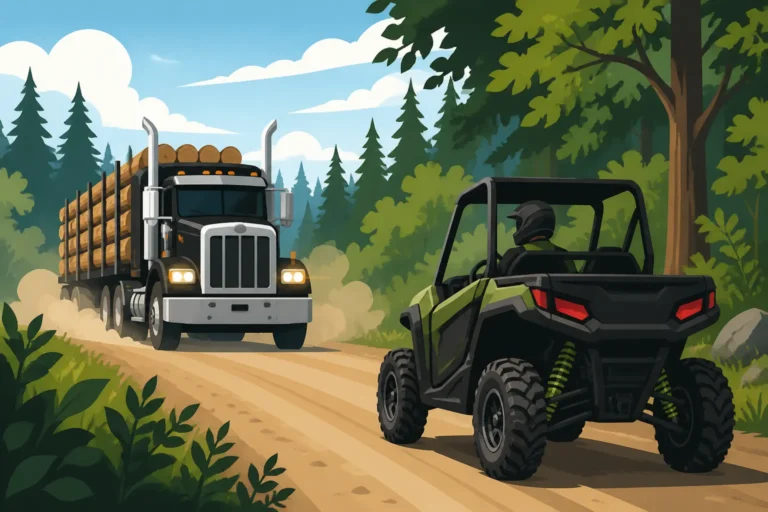
But then there’s US-2. This isn’t a leisurely country lane. US-2 is a major state trunkline, often carrying high-speed traffic, semi-trucks, and a steady flow of vehicles that are simply not expecting to encounter an ORV driving on the highway itself. The infrastructure of these roads – the lane widths, the shoulders, the posted speeds – is designed for conventional vehicle traffic, not for the slower, often less visible ORVs. This difference in design and traffic patterns is why the state places strict limitations on ORV interaction with these critical arteries. It’s not just about rules; it’s about safety for everyone on the road.
Why Direct Travel on US-2 is Generally Prohibited for ORVs
The simple truth is that you cannot generally ride your ORV on US-2, or any state highway, in Michigan. The Michigan Department of Transportation (MDOT) governs these roads, and their regulations prioritize safety and efficient flow of high-speed traffic. Your side-by-side or ATV, no matter how cool it looks with all those SuperATV upgrades, isn't built for sustained highway speeds or sharing lanes with traffic moving at 55-70 mph. The risk of a severe accident is simply too high.
Think about the difference in speed, the limited visibility an ORV might have in heavy traffic, and the sheer force of a collision between a large truck and an off-road machine. It’s a nightmare scenario that state laws are designed to prevent. So, while it might be tempting to just hop on US-2 for a mile or two to connect a trail, resist that urge. It’s not only illegal, but incredibly dangerous. There's a reason why [Michigan's Three Road Rules Michigan ORV Riders Must Follow] specifically outline how ORVs interact with public roads, and those rules become even stricter on state highways.
Crossing US-2: The Narrow Path of Legality
While you generally cannot travel on US-2, there are specific, limited circumstances where you are allowed to cross it. This distinction is absolutely vital. The goal isn't to create an ORV highway; it's to allow necessary connections for trail systems without compromising safety or disrupting the flow of highway traffic. These crossing points are carefully considered and are not arbitrary.
Legal Crossing Points and Conditions
When we talk about crossing US-2, we're talking about very specific actions. You can't just pick any spot, dart across the lanes, and hope for the best. That's a recipe for disaster and a hefty ticket. Instead, legal crossings typically occur under the following conditions:
- At Designated Intersections or Trail Crossings: The most common and safest way to cross US-2 is where an established, signed ORV trail or route directly intersects the highway. These are usually at controlled intersections, often with stop signs or traffic lights, providing a moment for ORV operators to safely assess and cross traffic. You might see specific ORV crossing signs indicating that this is a designated crossing point.
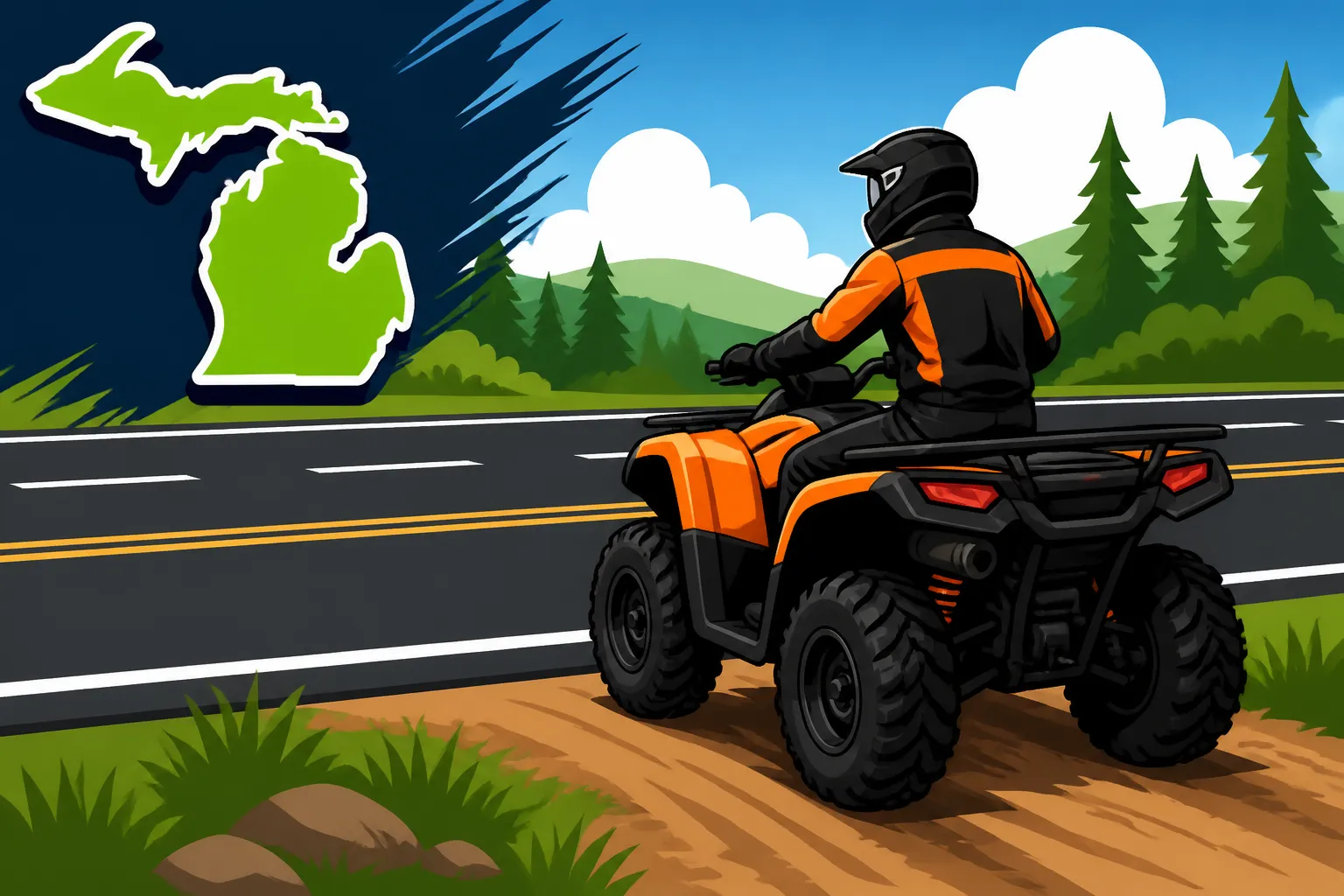
- Perpendicular Crossing: The law usually dictates that you must cross the highway at approximately a 90-degree angle. This means you approach the highway, stop, look both ways, and then proceed directly across the lanes to the opposite side. You are not to drive down the highway, even for a short distance, to reach a turn-off. It's a "get on, get across, get off" maneuver, not a "travel alongside" situation.
- Yield to All Traffic: This should go without saying, but when you're crossing a major highway, you absolutely must yield to all oncoming and cross traffic. US-2 is a high-speed road, and vehicles will be moving fast. Do not attempt to cross if there isn't a clear, wide window of opportunity. Patience is your best friend here.
- No Riding on Shoulders or Medians: Even at a crossing point, you are not permitted to travel on the paved shoulder of US-2, nor can you use the median for any reason beyond the immediate crossing. These areas are not for ORV travel.
Think of it like this: your ORV is a pedestrian trying to cross a very busy street. You wouldn't walk down the street, you'd cross at the crosswalk. The same principle applies here for your ORV. It’s about minimizing your time in the travel lanes and ensuring maximum visibility and safety.
Identifying Allowed Crossing Locations
So, how do you know where these magical crossing points are? You can't just guess. Relying on designated information is key to staying safe and legal.
- Official ORV Trail Maps: The Michigan Department of Natural Resources (DNR) publishes official ORV trail maps, both online and sometimes in print. These maps are invaluable resources. They clearly mark ORV routes, county roads open to ORVs, and crucially, where trails intersect and allow for highway crossings. Always check these maps before heading out. Using apps like onX Offroad, which incorporates DNR data, can also be a huge help in real-time. [Michigan ORV Trail Maps and What the Signs Mean] goes into more detail about how to interpret these resources.
- Physical Signage: When you’re approaching US-2 on an ORV trail, keep an eye out for specific signage. The DNR and local trail organizations work to install signs that indicate an ORV crossing ahead or a specific intersection that allows ORV passage. If you don't see a clear sign indicating an ORV crossing, err on the side of caution and assume it's not a legal spot to cross.
- Local Knowledge (with caution): While talking to local riders can provide great insights, always verify information with official maps and signage. What one person thinks is okay might not be legal, or rules could have changed.
If you find yourself at US-2 with no clear, signed crossing point, do not attempt to cross. It’s better to re-route, find an alternative, or consider trailering your machine to the other side, rather than risking a ticket or, worse, an accident. Remember, conservation officers do patrol, and they are well aware of popular (and illegal) crossing spots. Getting caught riding illegally could result in a fine, and if you don't have your [Michigan ORV License and Trail Permit Explained], that's another issue entirely.
Safety First: Essential Considerations for Crossing US-2
Even at a legal crossing point, navigating US-2 with an ORV requires heightened awareness and preparation. This isn't just a casual ride; it's a critical maneuver that demands your full attention and adherence to safety protocols.
Rider Responsibility and Due Diligence
As the operator of the ORV, the responsibility for a safe and legal crossing rests squarely on your shoulders. It’s not enough to simply be allowed to cross; you must execute the crossing with extreme care.
- Constant Vigilance: Approach any state highway crossing with a "stop, look, and listen" mentality, even if there isn't a stop sign. High-speed traffic on US-2 can appear quickly. Be especially wary of blind spots, hills, or curves that limit visibility for both you and oncoming drivers. It's often helpful to listen for approaching vehicles, especially semi-trucks, before you can see them.
- Maximize Visibility: Your ORV, especially an ATV, is much smaller than a car or truck, making it harder for highway traffic to see you, particularly at dawn, dusk, or in adverse weather.
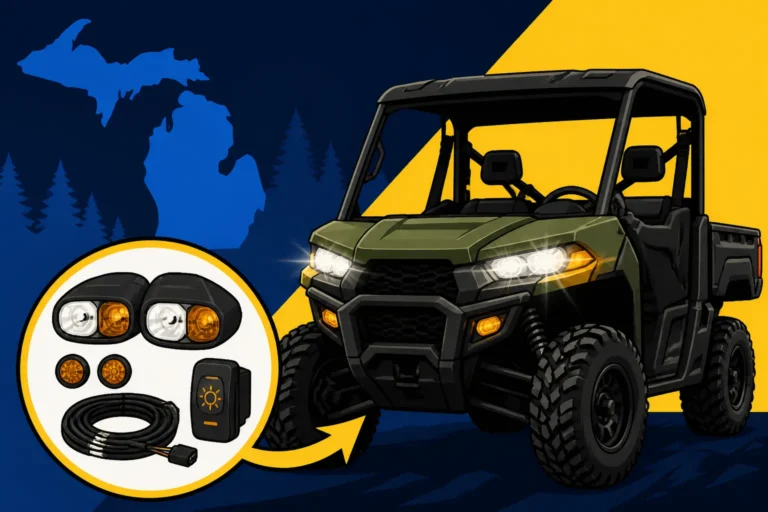
- Lights: Always ensure your headlights and taillights are functioning perfectly and are turned on, even during daylight hours. Some ORVs, especially modern UTVs, come with excellent lighting, but aftermarket options from companies like SuperATV can significantly improve your visibility, offering brighter LED options or auxiliary lights.
- Whip Flags: While not always legally required for road crossings, a tall, brightly colored whip flag can make a huge difference in visibility, especially if you're crossing from a trail where your machine might be obscured by brush until the last moment.
- Bright Clothing: Wear highly visible clothing, like fluorescent orange or green, to stand out against the background. Every little bit helps.
- Machine Readiness: Before you even consider approaching a highway crossing, ensure your ORV is in good working order. Are your brakes responsive? Is your steering tight? Do you have enough fuel to get across and continue your ride? A breakdown in the middle of US-2 is a truly dangerous situation.
Remember, Michigan traffic laws apply to ORVs when operating on any public road, including when crossing a highway. This means things like signaling your intentions (even if it's just a hand signal), yielding to pedestrians, and obeying traffic signs are still paramount.
Consequences of Illegal Crossing or Mishaps
Ignoring the rules for crossing US-2 or other state highways can lead to some severe consequences, ranging from financial penalties to life-threatening situations.
- Tickets and Fines: DNR Conservation Officers and local law enforcement actively patrol areas near ORV trails and highways. If you’re caught riding on US-2 where it’s prohibited, or crossing illegally, you can expect a citation. Fines for ORV violations can be significant, and repeated offenses can lead to more serious penalties. These aren't just minor infractions; they're taken seriously for public safety. [Fines for Speeding on an ORV] can give you an idea of the penalties for other types of violations.
- Vehicle Impoundment: In some cases, especially for repeat offenders or egregious violations, your ORV could be impounded. This adds substantial costs for towing and storage, not to mention the hassle of retrieving your machine.
- Insurance Nightmares: If you're involved in an accident while illegally operating your ORV on a state highway, your insurance policy might not cover damages or injuries. Most ORV insurance policies are tailored for off-road use, or legal on-road use on designated county roads. Operating where prohibited could invalidate your coverage, leaving you personally liable for potentially massive costs, including property damage, medical bills, and lawsuits.
- Personal Safety: This is the most critical consequence. Colliding with a vehicle on US-2 at highway speeds is likely to result in severe injuries or fatalities for the ORV operator and passengers. ORVs offer minimal protection in such impacts, and the forces involved are immense. It's simply not worth the risk.
Think about the bigger picture: you're not just risking yourself, but also putting other drivers at risk, potentially causing serious accidents for innocent motorists who have no expectation of an ORV suddenly appearing in their lane of travel.
Planning Ahead: Smart Strategies for US-2 Crossings
Successfully and safely navigating US-2 crossings (or avoiding them entirely) really comes down to good old-fashioned planning. Don't leave it to chance or improvisation on the trail.
Planning Your Route to Avoid or Legally Cross US-2
The best offense is a good defense, and in ORV riding, that means knowing your route before you go.
- Detailed Map Study: Before you even load your machine, spend time with current Michigan ORV trail maps. Identify where US-2 lies in relation to your planned route. Are there designated crossing points? Are there alternative trails that run parallel to US-2, allowing you to bypass a direct crossing altogether? Look for sections of [Michigan ORV Rules on Bridges and Causeways] that might offer specific crossing information.
- GPS and Apps: Modern GPS units and smartphone apps like onX Offroad are invaluable. Many of these apps layer official DNR trail data, showing open ORV routes, county roads, and often indicating specific highway crossing points. Plan your waypoints to utilize these legal crossings.
- Re-routing for Safety: If a designated crossing point feels unsafe (e.g., poor visibility due to weather, heavy traffic, or a blind spot), be prepared to re-route. Sometimes, adding a few extra miles to your trip on a safer, designated ORV route is far better than risking a dangerous crossing. Perhaps you can find a different county road that runs under or over US-2, providing a completely separated path.
- Understanding [Michigan County ORV Ordinances Explained]: While US-2 is a state highway, knowing the local county ordinances for the surrounding areas can help you understand the broader ORV-friendly landscape. Often, counties that have opened many roads to ORVs will have worked with the state to designate safe highway crossing points.
A little planning saves a lot of headaches, and potentially, serious harm. Your machine, whether it's a stock ATV or a UTV decked out with the latest accessories from SuperATV, is only as good as the decisions you make as its operator.
When to Consider Hauling Your ORV
Sometimes, despite all the planning, you might encounter a situation where there is no safe or legal way to cross US-2, or the available crossing simply feels too risky. In these scenarios, the smartest and safest option is often to load your ORV onto a trailer and transport it to the other side.
- Bridging the Gap: If you have multiple riding destinations separated by US-2 with no legal crossing, a short tow might be the best solution. Many riders keep a small utility trailer specifically for this purpose. It allows you to connect disparate trail systems without breaking the law or risking your safety.
- Safety First, Always: If traffic is heavy, visibility is poor, or you're simply unsure about a crossing point, trust your gut. Hauling is always a viable and safe alternative. It's an inconvenience, yes, but it’s a minor one compared to the alternative.
- Trailer Logistics: Ensure your trailer is properly registered – [Trailer Registration for Hauling ATVs in Michigan] is a good resource for this. Also, make sure your ORV is securely fastened. Using high-quality tie-downs and checking them frequently, especially after hitting bumps, is critical. Companies like SuperATV offer heavy-duty tie-down straps and other transport accessories that can make sure your machine stays put. Remember, [Securing an ATV on a Trailer Legally] is just as important as safe riding.
Taking a few minutes to trailer your machine for a tricky highway crossing is a sign of a responsible and experienced rider. It prioritizes safety and legality above all else, ensuring you can continue to enjoy Michigan's incredible ORV opportunities for many years to come.
Summary of ORV Actions on US-2
To make it super clear, here’s a quick breakdown of what you can and cannot do when your ORV encounters US-2:
| Action | Legality on US-2 | Key Considerations |
|---|---|---|
| Riding On US-2 (e.g., driving down a lane, using the shoulder for travel) | Prohibited. State highways are generally not open for ORV travel. This includes the main travel lanes, shoulders, and medians. Exception: Street-legal UTVs, which are registered and equipped as conventional vehicles, are subject to different rules. This guide focuses on standard ORVs. | Highly dangerous due to high-speed traffic, low visibility of ORV, and incompatible vehicle design. Illegal, leading to fines, impoundment, and insurance issues. |
| Crossing US-2 at an Approved Intersection | Generally Allowed, under strict conditions. You must cross at a designated intersection or signed ORV crossing point. | Cross at approximately 90 degrees. Yield to all traffic. Ensure maximum visibility (lights, bright clothing, whip flag if possible). Do not travel on the highway shoulder or median. Check maps and signs. |
| Crossing US-2 at an Undesignated Point | Prohibited. Do not attempt to cross US-2 at any point that is not a clearly marked or officially designated ORV crossing. This includes darting across between fields or through residential areas without specific signs. | Extremely dangerous and illegal. Unpredictable traffic, lack of visibility, and potential for severe accidents. |
| Hauling ORV Across US-2 by Trailer | Always Allowed and Recommended when no safe/legal crossing is available. This is the safest way to connect trail systems separated by a state highway if a direct crossing is not feasible or feels too risky. | Ensure your trailer is registered, road-worthy, and your ORV is securely fastened with appropriate tie-downs. Follow all conventional vehicle traffic laws while trailering. |
Ultimately, your time on Michigan trails should be about fun, adventure, and making memories, not about worrying if you’re breaking the law or risking a serious accident. Understanding these rules for navigating US-2 with your ORV is key to a safe and enjoyable experience for everyone.
Disclaimer
This article is for general informational purposes only and does not constitute professional advice. Laws, prices and regulations vary by location and change over time. Consult a qualified professional for guidance on your specific situation.