Michigan Townships That Opened Their Streets to ORVs
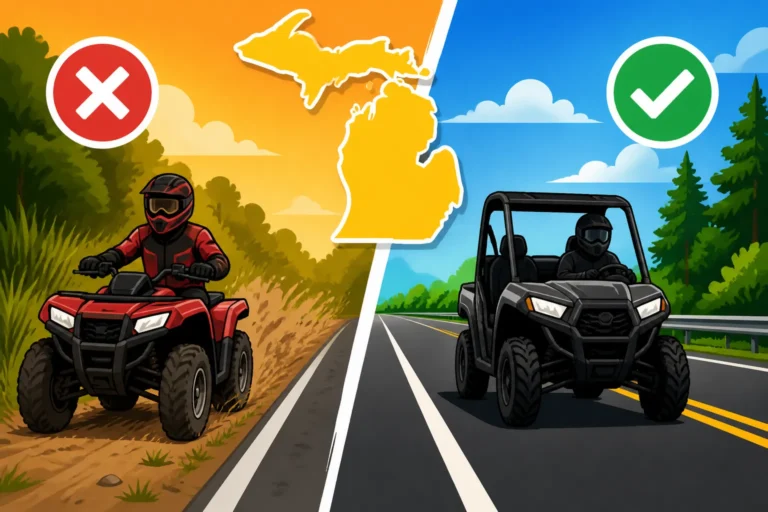
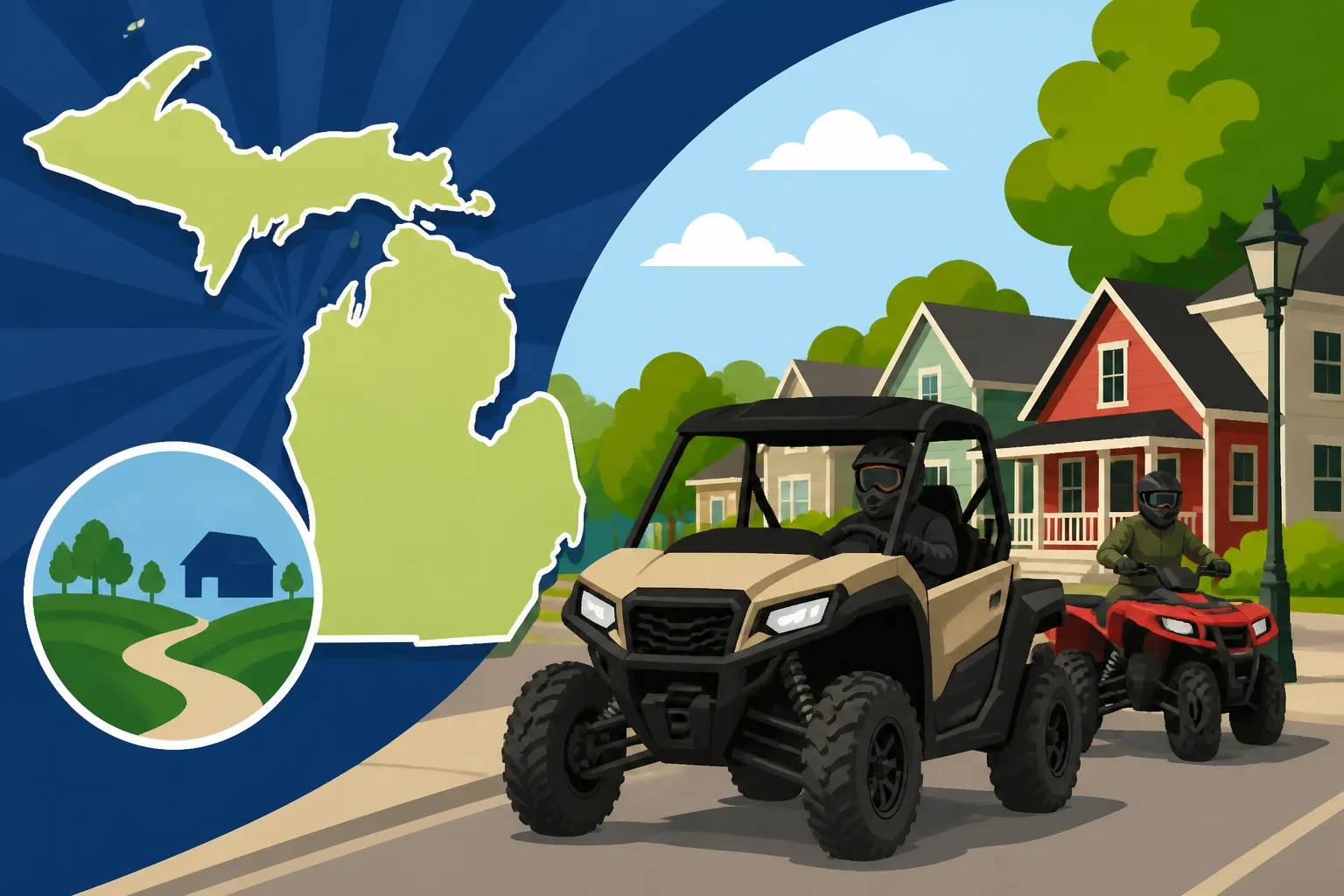
One of the biggest head-scratchers for Michigan ORV riders is figuring out where you can actually take your machine without getting into trouble. It feels like every time you blink, the rules change, especially when it comes to riding on local roads. This guide aims to cut through that confusion, giving you the inside scoop on how townships in Michigan open their streets to off-road vehicles and what you need to know to ride legally and responsibly.
Understanding Michigan's ORV Road Laws
Before we dive into the nitty-gritty of township ordinances, it's crucial to grasp the overarching state framework for ORV use on roads in Michigan. For a long time, the default answer was a pretty firm "no" to riding ORVs on paved or maintained public roads, with a few specific exceptions for crossing or accessing trails. This created a real headache for riders who just wanted to get from their cabin to a gas station or link up with a nearby trail system without trailering their machine every few miles.
The State's General Stance on ORV Road Use
Historically, Michigan's state laws have treated ORVs primarily as off-road machines, designed for trails, designated routes, and private land. The idea was to keep them separate from regular vehicle traffic for safety and to maintain the integrity of public roads. This general prohibition meant that if you were caught riding your ATV or UTV down a typical county road, you could face tickets and fines. It was a blanket rule that often left riders feeling frustrated, especially in rural areas where ORVs are a common mode of transportation for work or recreation. The state did, however, allow for very specific circumstances like crossing roads at a 90-degree angle or utilizing extreme shoulders, but these were often too restrictive for practical use.
The state has made efforts to balance public safety with recreational access, but the primary responsibility for opening up local roads often falls to the counties and townships themselves. This decentralized approach means that what's legal in one part of Michigan might be strictly prohibited just a few miles down the road, making local knowledge absolutely essential. It's not enough to just know the state laws; you need to know the local ones too.
Why Local Control Matters for ORV Access
The shift towards allowing local jurisdictions to decide on ORV road access was a game-changer. It recognized that Michigan is a diverse state, with dense urban areas and vast rural landscapes, and a one-size-fits-all approach simply wasn't working. What might be an unsafe disruption in a bustling city isn't necessarily so in a sparsely populated northern township where ORVs are already a part of daily life. Giving townships the authority to pass their own ordinances empowers local communities to make decisions that reflect their unique needs, traffic patterns, and community values.
This local control allows for flexibility. A township with extensive trail systems might want to connect them via local roads, while another, more residential township, might opt for stricter rules or even a complete ban. It also means that local residents and ORV enthusiasts have a direct avenue to advocate for or against ORV access in their immediate area, making the process more responsive to community input. This grassroots approach, while sometimes leading to a patchwork of rules, ensures that decisions are made closer to home.
Distinguishing Between State Highways and Local Roads
One critical distinction that often trips up riders is the difference between state highways (often marked with US or M routes) and local roads (county roads, township roads, and village streets). While townships have the authority to regulate ORV use on roads within their jurisdiction, this power generally does not extend to state highways. State highways fall under the purview of the Michigan Department of Transportation (MDOT) and the Michigan State Police. As a rule, riding ORVs on the paved surface or shoulder of a state highway is prohibited, except for very specific crossings where explicitly permitted.
Local roads, on the other hand, are where townships and counties can enact ordinances. These are the roads maintained by the county road commission or the township itself, not the state. Knowing this distinction is vital because even if a township opens its roads, it doesn't automatically mean you can ride on any state highway that passes through that township. Always assume state highways are off-limits unless you see specific, official signage indicating an authorized crossing or trail access point. Confusion here can lead to serious fines or, worse, dangerous situations. For more context on statewide rules, check out [Michigan's 25 mph Limit on County Roads].
The Power of Local Ordinances: How Townships Open Roads
The process of a township opening its roads to ORVs isn't just a casual decision; it's a formal legal act that requires careful consideration and adherence to state law. It's not about a few residents agreeing; it's about enacting a legally binding ordinance that outlines where, when, and how ORVs can be operated on specific public thoroughfares.
The Legal Framework for Township ORV Ordinances
Michigan Public Act 229 of 2012, as amended, is the cornerstone legislation that grants local units of government – including townships, counties, cities, and villages – the authority to open their roads to ORVs. This act provides the framework, but it also imposes certain conditions that townships must meet. For instance, any ordinance must ensure that ORVs operate safely and responsibly, and often includes provisions for speed limits, time-of-day restrictions, and specific routes. It's not a free-for-all; it's a structured approach to integration.
Townships must also consider public safety and the impact on their residents. This means ordinances often come with specific requirements, such as mandating a valid driver's license for operators, requiring proper lighting for dawn/dusk/night riding, and ensuring machines meet certain sound regulations. The state legislation provides the "how-to" for townships, but the specific details are left to local discretion, within the confines of maintaining a safe environment for all road users.
The Process: From Proposal to Passage
So, how does a township actually go about opening its roads? It typically starts with a proposal, often initiated by local ORV enthusiasts, community groups, or even a township board member responding to constituent requests. This proposal isn't just a suggestion; it usually comes with research, outlining potential benefits (like increased tourism or easier access to trails) and addressing potential concerns (like noise or safety).
Once a proposal gains traction, the township board will typically hold public meetings or hearings. This is a crucial step where residents can voice their opinions, ask questions, and raise concerns. It's a democratic process where every voice, whether pro-ORV or anti-ORV, has the opportunity to be heard. After considering public input and reviewing any relevant studies or expert opinions, the township board will draft a formal ordinance. This draft then goes through a review process, sometimes involving legal counsel, before a final vote by the board. If passed, the ordinance becomes law within that township's jurisdiction. For a deeper dive into this, see [How a Michigan Township Passes an ORV Ordinance].
Common Triggers for a Township to Adopt an Ordinance
Several factors can prompt a township to consider and eventually adopt an ORV ordinance. One of the most common is significant existing ORV activity. In areas where ORV riding is already popular, residents might push for formal ordinances to legitimize what's already happening, making it safer and more regulated. This helps bring clarity and reduce illegal riding, often leading to better compliance.
Another major trigger is tourism and economic development. Many townships in Michigan, particularly in the northern Lower Peninsula and the Upper Peninsula, rely heavily on outdoor recreation. Opening roads to ORVs can make an area more attractive to riders, encouraging them to visit, stay in local accommodations, and spend money at gas stations, restaurants, and shops. It's a way to boost the local economy. Sometimes, a township might also pass an ordinance to connect existing trail systems or provide access to essential services like fuel or groceries for riders, reducing the need for trailering or riding on unapproved routes.
Finding Specific Township ORV Ordinances
Navigating the landscape of local ORV ordinances can feel like a scavenger hunt, but with the right tools and a little persistence, you can usually find the information you need. Remember, relying on hearsay or outdated information is a recipe for trouble, so always seek out official sources.
Where to Look for Official Information
The absolute best place to start your search for a township's ORV ordinance is the township's official website. Most townships maintain websites where they post board meeting minutes, contact information, and, importantly, their municipal codes and ordinances. Look for sections titled "Ordinances," "Codes," "Clerk's Office," or "Board Minutes." You might need to use the website's search function for terms like "ORV," "ATV," "UTV," or "off-road vehicle." Many townships even have dedicated pages outlining recreational rules or local laws.
If you can't find it online, don't hesitate to contact the township clerk's office directly. The township clerk is the official record-keeper and should be able to provide you with a copy of the ordinance or direct you to where you can find it. You might also find luck with the county road commission website, as they often have links or summaries of ORV ordinances for townships within their county. While these resources are usually reliable, always cross-reference if possible, especially if the information seems contradictory or too good to be true.
Connecting with Local ORV Clubs and Enthusiasts
Beyond official channels, local ORV clubs and online communities are invaluable resources. These groups are typically made up of seasoned riders who are deeply invested in their local riding areas and often stay very current on local ordinances and changes. Many clubs have active social media pages, forums, or websites where they share information, organize rides, and discuss local rules. They often have direct lines of communication with township officials and can provide practical, real-world insights into where you can and cannot ride.
Joining a local club, or at least following their online presence, can not only help you understand the rules but also connect you with other riders who can share their experiences. Just remember to always verify any information from these sources with official township documents. While enthusiastic riders are often well-informed, interpretations can sometimes differ, and ordinances can change without widespread public notice.
Dealing with Conflicting Information
It's not uncommon to encounter conflicting information when researching ORV ordinances. You might hear one thing from a local rider, read something different on an old forum post, and then see a slightly ambiguous statement on a township's website. When faced with conflicting information, always err on the side of caution and prioritize the most official, recent source. The township clerk's office or the official township ordinance text should be your final authority.
If there's still ambiguity, consider reaching out to the local sheriff's department or the Michigan Department of Natural Resources (DNR) conservation officer for that area. They are the ones who enforce these laws, and they can provide clarification on how they interpret and apply specific ordinances. It's much better to ask for clarification beforehand than to face a ticket or a fine because of a misunderstanding. Taking a proactive approach will save you headaches down the road.
Common Rules and Restrictions in ORV-Friendly Townships
Just because a township has opened its roads to ORVs doesn't mean it's a free-for-all. These ordinances typically come with a host of specific rules and restrictions designed to ensure safety, minimize disruption, and protect local infrastructure. Understanding these common regulations is key to responsible riding.
Speed Limits and Time-of-Day Restrictions
One of the most universal restrictions you'll encounter in township ORV ordinances relates to speed limits. While Michigan state law sets a maximum ORV speed limit of 25 mph on county roads where ORVs are allowed, many townships might impose even lower limits on their local streets, especially in residential areas or near schools and parks. Always pay close attention to posted speed limits, and if none are explicitly posted for ORVs, default to the state's 25 mph maximum or lower. Exceeding these limits is not only illegal but also significantly increases the risk of accidents.
Time-of-day restrictions are also very common. Many townships prohibit ORV use on roads during late-night or early-morning hours to reduce noise disturbances for residents. For example, an ordinance might only permit ORV riding between sunrise and 10 PM. These rules aim to strike a balance between rider access and community peace. Always check the specific ordinance for these time windows. Additionally, some townships might have seasonal restrictions, particularly during winter months if roads are heavily plowed or used by snowmobiles.
Equipment Requirements Beyond State Law
While state law dictates certain ORV equipment requirements (like spark arrestors and proper headlights/taillights), townships can sometimes add their own stipulations. These might include requirements for additional reflective tape, a whip flag for enhanced visibility, or specific types of tires for road use. Some ordinances might even specify exhaust noise limits, beyond general state guidelines, to address local noise concerns. It's always a good idea to check if your machine, like one from SuperATV that might be built for extreme off-road, meets these specific local road requirements before heading out.
Ensuring your ORV is properly equipped is not just about avoiding a ticket; it's about safety. Increased visibility, especially when sharing roads with cars, is paramount. Many riders choose to install additional turn signals, brake lights, and rearview mirrors even if not explicitly required, to make their machines more visible and predictable to other drivers. Think about how a standard vehicle operates on the road, and equip your ORV to be as close to that standard as possible, enhancing safety for everyone.
Designated Routes vs. Blanket Access
Not all township ordinances are created equal when it comes to where you can ride. Some townships might grant "blanket access," meaning ORVs are permitted on virtually all township-maintained roads within their borders, excluding state highways. This offers the most freedom for riders. However, other townships might opt for a more restrictive approach, designating specific roads or routes where ORVs are allowed, often linking trailheads or providing access to key services.
When an ordinance designates specific routes, it's critical to stick to them. Riding on an undesignated road can result in fines and strain relations with the local community. These designated routes are usually clearly marked on maps provided by the township or local ORV clubs, and sometimes even with physical signs along the roads themselves. Always download or carry a map of approved routes if you're riding in an area with designated-route ordinances.
Navigating the "Maintained Portion" and Shoulder Rules
Michigan law often refers to the "maintained portion" of the roadway and the shoulder when discussing ORV access. Understanding these terms is crucial, especially when an ordinance specifies where you can operate your ORV. It's not just semantics; it’s about where your tires can legally touch the ground.
Defining the Maintained Portion of the Road
In Michigan, the "maintained portion" of a county or township road generally refers to the part of the road surface that is regularly kept in repair, including the paved or graveled surface and sometimes the immediate adjacent graded area. For ORV purposes, state law (and by extension, local ordinances) often mandates that ORVs operate on the extreme right of the maintained portion of the road. This means you should be as far to the right as safely possible, giving ample space to oncoming traffic and vehicles passing from behind.
It's not just about staying out of the way; it's also about visibility and predictability. Riding consistently on the right-hand edge makes your movements more predictable for other drivers. This also implies that you shouldn't be weaving in and out of the center of the road or taking up an entire lane. The goal is to share the road responsibly, and operating on the extreme right is a key component of that. Many townships reinforce this in their ordinances, sometimes even restricting ORVs to the shoulder if one exists and is passable.
When and How to Use the Shoulder
The shoulder is that strip of land immediately adjacent to the main driving lanes, often unpaved or less maintained than the road surface itself. Michigan ORV law does permit ORVs to operate on the extreme right of the shoulder if it is passable and safe to do so. This provision is especially useful in situations where the main road surface is narrow or has high traffic volume. However, "passable and safe" is a judgment call that rests with the rider, and you must always prioritize safety. A shoulder full of deep gravel, soft sand, or debris might not be considered safe or passable.
It's important to note that shoulders aren't always present, especially on older or more rural township roads. When a shoulder isn't clearly defined or isn't safe for travel, ORVs must then operate on the extreme right of the maintained portion of the road. Never assume you can ride on any grassy area or ditch alongside the road; stick to clearly defined shoulders or the road surface itself. Proper judgment is key here to avoid both accidents and tickets.
Crossing State Highways and Bridges in Townships
Even if a township has opened its local roads, state highways (US or M routes) remain largely off-limits for ORV travel, with limited exceptions for crossing. Generally, ORVs are permitted to cross state highways only at an intersection with another road or at a designated ORV trail crossing, and then only if the crossing is made at a 90-degree angle to the highway after stopping and yielding to all traffic. You can't just drive down the shoulder of a state highway for miles, even if you're within an ORV-friendly township.
Bridges and causeways also often have specific rules. Many ordinances, reflecting state law, prohibit ORV operation on bridges, overpasses, or within the right-of-way of limited-access highways, even within an ORV-friendly township. These structures are often engineered for specific loads and traffic types, and ORVs might not be permitted for safety or structural reasons. Always consult the local ordinance or state DNR regulations regarding bridges. It's a critical detail that often goes overlooked, but can lead to serious legal consequences. Learn more about this in [Michigan ORV Road Rules on Bridges and Causeways].
Safety Considerations for Township Road Riding
Riding an ORV on a dedicated trail is one thing; riding it on a road shared with cars, trucks, and even bicycles is entirely different. Safety becomes paramount, and riders must adapt their habits and equip their machines accordingly. It's not just about following the law, but about exercising common sense and defensive riding.
Sharing the Road with Cars and Bicycles
When you're riding an ORV on a township road, you're entering an environment primarily designed for larger, faster, and more protected vehicles. This means you need to be exceptionally vigilant. Cars and trucks have blind spots, and drivers may not be expecting an ORV, especially on less-traveled roads. Always assume you are invisible and ride defensively. Maintain a safe following distance, use hand signals if your ORV isn't equipped with turn signals, and make eye contact with drivers whenever possible.
Bicycles also use these roads, often quietly and sometimes in groups. Be respectful, slow down, and give cyclists a wide berth when passing. Remember that ORVs can kick up dust and gravel, so pass cautiously to avoid showering other road users. The goal is coexistence; by riding predictably and courteously, you contribute to a positive perception of ORV riders in the community.
Visibility: Lights, Flags, and Reflectors
Visibility is your best friend when riding on public roads. Even in daylight, ORVs are smaller and often less conspicuous than cars. Michigan law generally requires headlights and taillights to be on when operating an ORV on a public road, regardless of the time of day, but always double-check the specific township ordinance. For riding at dawn, dusk, or night, bright headlights, taillights, and brake lights are non-negotiable. Many riders add auxiliary lights for better visibility, and some even install amber or red flashing lights to draw more attention to their machine. SuperATV, for instance, offers a range of lighting upgrades and accessories that can significantly boost your visibility.
Beyond lights, consider adding reflective tape to your machine, especially if you have an older model or one with a dark color. A brightly colored whip flag, while often associated with dune riding, can also greatly improve your visibility, especially on rolling terrain where your ORV might dip out of sight. Remember, anything you can do to make your presence known to other road users is an investment in your safety. For more details on this, check out [Michigan ORV Lighting Rules During Daylight].
Riding with Youth and Passengers on Township Roads
Bringing youth or passengers along for a road ride introduces additional safety considerations. Michigan has specific age rules for ORV operators, particularly for those under 16. If a township ordinance allows ORV road access, it will generally defer to state laws regarding operator age, required safety certificates, and supervision. For example, a youth under 16 might need direct visual supervision from an adult and a valid ORV safety certificate to operate on county roads. Parents should be intimately familiar with these rules before allowing a child to operate an ORV on any public road. Further reading can be found in [Michigan ORV Road Riding Age Minimum] and [Michigan ORV Road Rules for Riders Under 16].
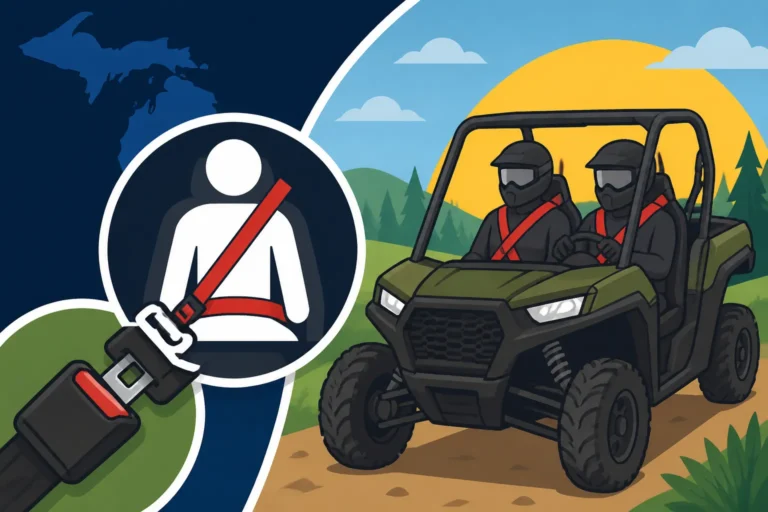
For passengers, ensure your ORV is designed to carry more than one person if you plan to have a rider. Single-rider ATVs are not meant for passengers. UTVs are designed for multiple occupants and usually have seatbelts, which should always be worn. Make sure all passengers are properly secured, understand basic hand signals, and are aware of the increased risks of road riding. Never overcrowd your machine, and always adhere to manufacturer recommendations for weight limits and seating capacity.
Challenges and Future Outlook for Township ORV Access
While the trend of townships opening their roads to ORVs is generally positive for riders, it's not without its challenges. These local decisions often involve a delicate balance of competing interests, and the future of ORV access will depend on how these challenges are managed.
Community Concerns and Noise Complaints
One of the biggest hurdles for widespread ORV road access is community concern, particularly regarding noise and dust. While ORVs are a way of life for many, they can be a source of irritation for residents who don't participate in the sport. Loud exhausts, especially aftermarket systems not designed for road use, can quickly lead to complaints and calls for stricter enforcement or even the repeal of ordinances. Townships want to support recreation but also need to maintain peace for their residents.
Dust is another common complaint, especially on unpaved roads in dry conditions. ORVs can kick up significant dust, affecting homes, businesses, and air quality. Responsible riding, such as slowing down when passing residential areas, can mitigate some of these issues, but they remain a persistent challenge that townships must consider. The future of ORV access on local roads will largely depend on riders demonstrating respect for communities and townships finding ways to manage these impacts effectively.
Funding for Road Maintenance and Enforcement
Another practical challenge for townships is the impact of ORV use on road maintenance and the cost of enforcement. While ORVs might not cause the same kind of damage as heavy trucks, increased traffic from any vehicle type contributes to wear and tear, especially on unpaved roads. Townships and county road commissions are often operating on limited budgets, and the added cost of grading, dust control, or repairing damage from ORV use can be a point of contention.
Enforcement also comes with a price tag. Sheriff's departments and DNR conservation officers need resources to patrol these areas, educate riders, and issue citations when rules are broken. Some state funds from ORV permits do go back into trail maintenance and enforcement, but it's often not enough to cover all local needs. The conversation around ORV access often includes discussions about how to fund these additional costs without burdening local taxpayers.
The Evolving Landscape of ORV Access
The landscape of ORV access in Michigan is constantly evolving. What was once largely restricted is now seeing more local openings, but this isn't a static situation. As technology changes, with quieter and more efficient machines entering the market, and as communities grow or change, so too will the rules. It's not uncommon for townships to review and amend their ordinances periodically, sometimes making them more restrictive if problems arise, or expanding access if successful.
Riders, manufacturers like SuperATV, and advocacy groups play a crucial role in shaping this future. By demonstrating responsible riding, advocating for sensible regulations, and supporting local communities, ORV enthusiasts can help ensure continued and expanded access. Conversely, a lack of respect for rules or community concerns could lead to a rollback of access in the future. Staying informed and engaged is vital for every rider.
Preparing Your ORV for Township Road Use
Taking your ORV from the trail to the street requires more than just checking a box. It involves proper preparation of your machine, understanding necessary permits, and ensuring you have the right gear. Don't just hop on and go; a little preparation can save you a lot of trouble.
Required Permits and Safety Certificates
Operating an ORV on Michigan's public roads and trails requires specific permits. You'll need an ORV license (sticker) and usually an ORV trail permit, both affixed to your machine. These permits contribute to the state's ORV program, funding trail maintenance, safety education, and enforcement. The cost is typically a modest annual fee, but it's mandatory. Don't forget that if you're riding in state parks or other state-owned land, you'll also likely need a Michigan Recreation Passport for your towing vehicle.
Beyond the machine permits, operator safety certificates are often required, especially for younger riders. In Michigan, riders under 16 generally need to have an ORV safety certificate to operate an ORV on public lands and roads. Even adults can benefit from taking a safety course, as it covers critical riding techniques and legal requirements. Always ensure all operators have the necessary certifications. Read more about this in [Michigan ORV Safety Certificate Requirements] and [Michigan Recreation Passport Cost and Renewal].
Essential Gear and Machine Readiness
Before hitting any township road, perform a thorough pre-ride inspection of your ORV. Check your tires for proper inflation and wear – road riding can be harder on knobby off-road tires than soft trails. Ensure all your lights (headlights, taillights, brake lights) are functioning correctly and are clean. Your brakes should be in excellent working order, as you'll need reliable stopping power on paved surfaces. Check your fluid levels, inspect your steering and suspension components for any excessive play, and make sure your spark arrestor is intact.
Beyond the machine, make sure you have your personal protective equipment. A DOT-approved helmet is often required on public roads for ORVs, even in a UTV with a roll cage, depending on specific ordinances and state rules. Eye protection, gloves, and sturdy riding boots are also crucial. Carry a small toolkit, a first-aid kit, and enough water, especially for longer rides. Having a cell phone for emergencies is also a smart idea, though coverage can be spotty in some rural areas.
Considering Street-Legal Modifications
While many townships allow "standard" ORVs on their roads, some riders opt for additional modifications to enhance safety and convenience for road use. These might include adding turn signals, rearview mirrors, a horn, and a speedometer – features commonly found on street-legal vehicles. Many aftermarket companies offer "street-legal kits" that include these components, making it easier to adapt your ORV for mixed-use. Components from SuperATV, for example, are known for their durability and can be a good choice if you're looking to upgrade your machine for road-worthiness.
It's important to differentiate between simply adding safety features and undergoing a full "street-legal conversion" that might involve titling your ORV as an assembled vehicle or a low-speed vehicle. The latter is a more extensive process with stricter requirements. For township road use, the focus is usually on meeting basic ORV road rules and enhancing visibility, not necessarily making it fully street-legal in the same vein as a car. Always confirm with your specific township and state laws what modifications, if any, are truly required versus those that are just good practice.
Summary of ORV Road Access Rules in Michigan
To help you keep track of the nuances of ORV access on Michigan roads, here's a quick overview of where ORVs are generally permitted under state law, with the understanding that local ordinances can add more specific rules.
| Location Type | General ORV Access (State Law) | Key Considerations |
|---|---|---|
| Designated ORV Trails | Yes, with proper ORV license/trail permit. | Follow trail signs, width restrictions, speed limits, age rules. |
| State Forest Roads | Yes, unless posted closed. With ORV license/trail permit. | Be aware of other traffic (logging, vehicles), seasonal closures. |
| County Roads (Township w/ ordinance) | Yes, if township/county has passed an ordinance. | Must operate on extreme right, obey local speed limits (max 25 mph), time limits, equipment requirements. |
| County Roads (No ordinance) | No, generally prohibited. | Limited to 90-degree crossings, shoulder access if passable (extreme right). |
| State Highways (US/M Routes) | No, generally prohibited for travel. | Only for 90-degree crossings at intersections or designated points. |
| Private Property | Yes, with landowner permission. | No state permits required, but local noise ordinances may apply. |
| Frozen Public Lakes | Yes, with ORV license. | Observe ice safety, stay clear of ice fishing shanties and open water. |
Always remember to consult the specific local ordinance for the township you plan to ride in, as rules can vary greatly.
Disclaimer
This article is for general informational purposes only and does not constitute professional advice. Laws, prices and regulations vary by location and change over time. Consult a qualified professional for guidance on your specific situation.