The Montana LLC Route and What Michigan Owners Risk
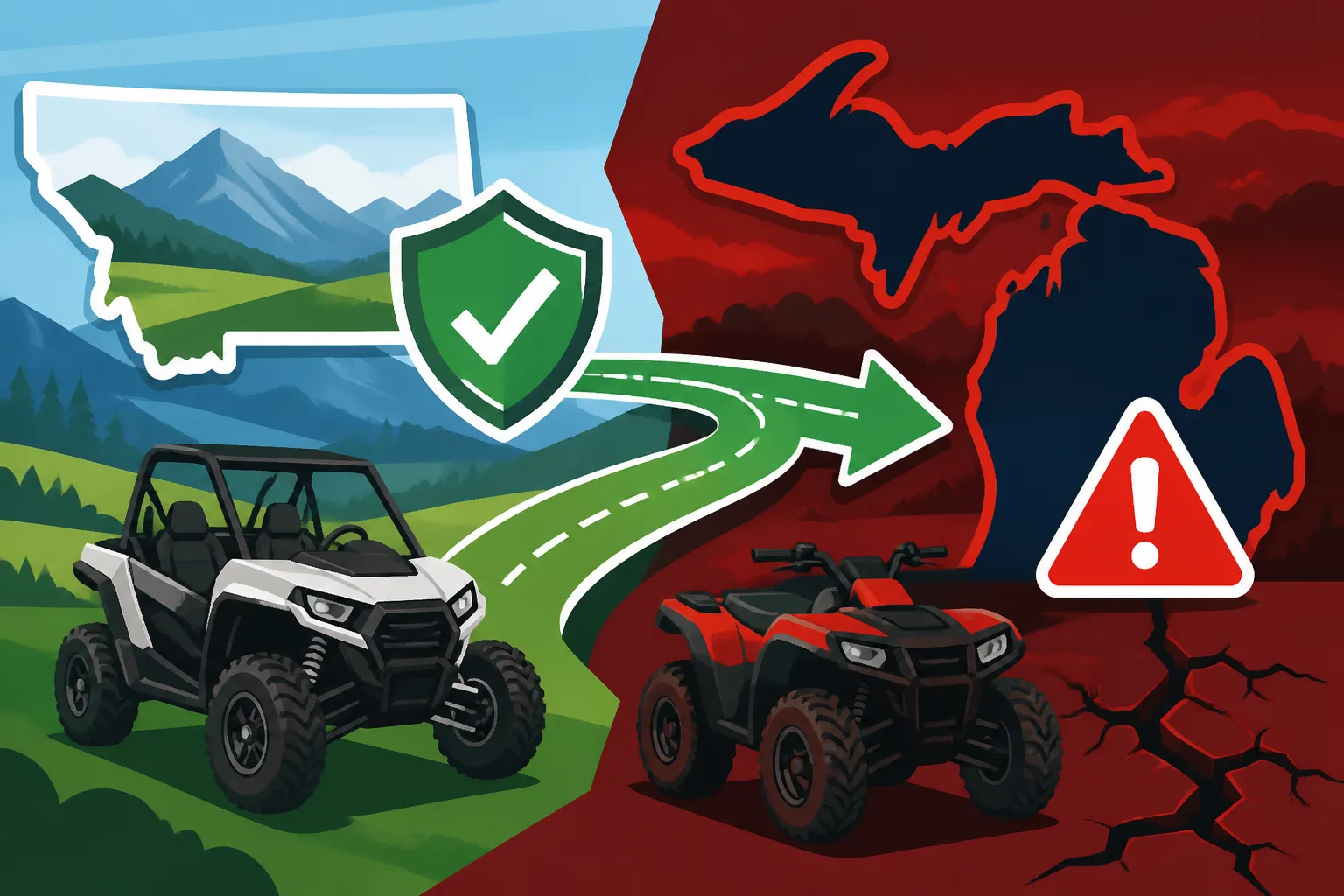
It's completely understandable why so many Michigan ATV and UTV owners find themselves looking for creative ways to save a few bucks, especially when faced with the various costs associated with buying and owning these fun machines. The sales tax alone on a brand-new side-by-side or even a well-maintained used quad can feel like a punch to the gut. This search for savings often leads riders down a path that involves setting up an out-of-state LLC, commonly known as "The Montana LLC Route." While it might sound like a clever loophole on paper, it comes with a hefty set of risks for Michigan residents that are crucial to understand before you even think about going down this road. This guide will meticulously break down the allure, the mechanics, and, most importantly, the significant dangers this strategy presents for anyone operating an ORV primarily in Michigan.
Understanding the Montana LLC Appeal for ORV Owners
Let's be honest, nobody enjoys paying more taxes than they have to. When you're dreaming of hitting the trails on a shiny new UTV, the thought of an extra chunk of change going to the state can certainly dampen the excitement. This common frustration is the primary driver behind the Montana LLC strategy.
The Lure of No Sales Tax
The biggest draw, the absolute siren song of the Montana LLC, is the promise of avoiding sales tax. Montana is one of the few states in the U.S. that does not levy a statewide sales tax. For a Michigan resident looking to purchase a high-value off-road vehicle – think a new side-by-side that costs as much as a small car – the idea of sidestepping thousands of dollars in sales tax is incredibly appealing. If you're looking at a $25,000 UTV, Michigan's 6% sales tax is an extra $1,500 right off the bat. That's a lot of money that could go towards accessories, gear, or even more trail riding adventures.
This perceived savings, especially on higher-end machines, can seem like a significant financial benefit. Riders often hear through word-of-mouth or online forums about this "trick" to save money, without fully grasping the nuances and legal ramifications involved when you bring that vehicle back to your home state. It's easy to get caught up in the excitement of saving money and overlook the potential for serious headaches down the line.
Privacy and Asset Protection Claims
Beyond the tax savings, some proponents of the Montana LLC route also tout benefits like enhanced privacy and potential asset protection. The idea is that by having your ORV titled in the name of an LLC, your personal name isn't directly on the public record as the owner of the vehicle. For some, this offers a sense of anonymity or a desire to keep their assets less visible. While privacy can be a valid concern for some individuals, for the average ORV enthusiast simply trying to avoid sales tax, this aspect is often secondary to the financial incentive.
Additionally, some promoters of these LLCs suggest they offer a layer of asset protection. The theory is that if something goes wrong – say, an accident occurs – the vehicle is owned by the LLC, potentially shielding personal assets from liability. However, this is a highly specialized area of law, and the effectiveness of such protection hinges entirely on the LLC being properly structured, maintained, and, crucially, recognized as a legitimate, separate entity from the individual. For a Michigan resident using a Montana LLC solely to register an ORV that's actually used and stored in Michigan, the asset protection claims often fall flat under legal scrutiny, especially if the LLC isn't treated as a real business operation. These theoretical benefits rarely outweigh the concrete risks involved for Michigan residents.
How the Montana LLC Scheme Generally Works
At its core, the Montana LLC strategy isn't particularly complex in its setup, which is part of what makes it seem so accessible. However, understanding the mechanics helps illustrate where things can start to go sideways for Michigan residents.
Setting Up the LLC Out-of-State
The first step in this process involves formally establishing a Limited Liability Company (LLC) in Montana. This isn't something you do casually; it requires filing articles of organization with the Montana Secretary of State. Because you don't actually live in Montana, you'll need to hire a registered agent service that has a physical address in Montana to receive official correspondence for your LLC. These services are readily available online and can walk you through the paperwork. For instance, platforms like LawDepot offer templates and guidance for setting up various legal entities, including LLCs, which individuals might use to form their Montana company.
Once the LLC is established, the individual then purchases the ATV or UTV in the name of the Montana LLC. This means the bill of sale, the loan agreement (if financing), and eventually the title will all bear the name of the LLC, not the individual's personal name. It's critical at this stage that all paperwork accurately reflects the LLC as the buyer. Any deviation could complicate the process and raise red flags later on. The entire transaction, from purchase to titling, is handled as if the ORV belongs to a Montana entity, thereby supposedly avoiding Michigan's sales tax.
Titling the ORV Through the LLC
With the LLC formed and the ORV purchased in its name, the next step is to title the vehicle. This process takes place entirely in Montana, through the Montana Department of Justice's Motor Vehicle Division. The title for the ORV is issued directly to the Montana LLC, listing its address (which would be the registered agent's address in Montana) as the owner. From a legal standpoint in Montana, this ORV is now owned by a Montana-registered business entity. The Michigan individual who initiated all this is typically listed as a managing member or owner of that Montana LLC.
The critical element here is that the ORV never goes through the Michigan Secretary of State for titling under the individual's name. This is where the perceived savings on Michigan sales tax comes into play. Since the vehicle is nominally owned by a Montana entity, and Montana has no sales tax, no sales tax is collected at the point of purchase or titling in Montana. The problem arises when this ORV, now legally titled to a Montana LLC, is then brought to and primarily operated and stored in Michigan by a Michigan resident.
The Significant Risks for Michigan Residents
While the idea of saving money is powerful, the risks associated with the Montana LLC route for Michigan residents are substantial and can lead to far greater costs and headaches than any initial savings. Michigan authorities are well aware of this practice and have mechanisms in place to address it.
Michigan Use Tax and the 90-Day Rule
The single biggest risk for Michigan residents utilizing a Montana LLC for their ORV is Michigan's use tax. Unlike sales tax, which is typically collected at the point of sale by a retailer, use tax applies to items purchased outside of Michigan but then brought into and used within the state. Michigan law explicitly states that if you purchase a vehicle out-of-state and bring it into Michigan for "use," you generally owe Michigan use tax on the purchase price. There's a particular red flag Michigan authorities look for: the 90-day residency presumption. If you're a Michigan resident and you bring an ORV into Michigan and operate or store it here for more than 90 days, the state presumes it's subject to Michigan use tax. This presumption is a powerful tool for the state when identifying these out-of-state titling schemes.
Imagine you've bought that shiny new UTV through your Montana LLC, and you're now riding it on Michigan trails. Every time a Michigan resident operates an ORV that is legally owned by an out-of-state entity but is clearly garaged and primarily used within Michigan, it signals to the authorities that use tax might be due. The Michigan Department of Treasury can and does investigate these situations. If they determine that the ORV should have been subject to Michigan use tax, they can assess the tax, often with significant penalties and interest dating back to the date of purchase. This can quickly wipe out any perceived savings and leave you owing substantially more than if you had simply paid the sales tax upfront.
Insurance Pitfalls and Denials
Another critical and often overlooked risk lies with your insurance coverage. When you insure an ORV, your insurance company asks for the primary location where the vehicle will be garaged and operated. If you're a Michigan resident, your ORV is almost certainly garaged and operated predominantly in Michigan. However, if the ORV is titled to a Montana LLC, and your personal insurance policy is for a vehicle owned by that LLC, you could be setting yourself up for serious trouble.
Insurance companies are in the business of assessing risk based on accurate information. If you misrepresent the true ownership or primary location of the ORV, or if the arrangement is deemed an attempt to circumvent state laws, your insurance policy could be declared void. This means if you get into an accident – even a minor one – your insurer might deny your claim entirely. They could argue that because the true nature of ownership and domicile was obscured, the policy was issued under false pretenses. This could leave you personally liable for damages, injuries, and even the cost of repairing or replacing your own ORV. Imagine a serious accident where someone is hurt; without valid liability coverage, your personal assets could be on the line. It's a huge gamble, and the consequences of an insurance denial can be financially devastating. For genuine peace of mind, ensure your insurance policy accurately reflects your Michigan residency and the ORV's true location.
Legal Troubles and Penalties
Beyond the use tax, Michigan residents engaging in the Montana LLC scheme face a real risk of legal troubles and penalties. The state views these arrangements, when used solely to avoid Michigan taxes by Michigan residents, as a form of tax evasion. This isn't just a slap on the wrist; it can involve serious financial penalties and, in some cases, even more severe legal repercussions. The Michigan Department of Treasury is equipped to pursue outstanding tax obligations.
Enforcement can come in various forms. You might be pulled over by a local sheriff, state police, or a Department of Natural Resources (DNR) officer while riding your ORV. If they see a Montana plate but your Michigan driver's license and address, it's a huge red flag. They might inquire about the vehicle's ownership and your residency. If the state determines you've intentionally evaded tax, you could face fines, penalties, and interest that accrue from the purchase date. In some scenarios, an ORV could even be impounded until the tax issues are resolved. The hassle and stress of dealing with state tax authorities and potentially legal counsel far outweigh any initial tax savings. Furthermore, there are specific [Michigan ORV Title Fraud Penalties] that can be applied if fraudulent intent is proven, making the risks even higher.
Difficulties with Selling or Transferring Ownership
The headaches don't stop once you've successfully avoided Michigan sales tax. What happens when you decide to sell that ORV a few years down the road? If you sell an ORV that's titled to your Montana LLC to another Michigan resident, that new buyer will then face the exact same Michigan use tax issue. They will likely be required to pay the use tax upon titling the vehicle in their own name, potentially making your "deal" less attractive. You might also find it difficult to sell the ORV to a savvy buyer who understands these risks and doesn't want to inherit your tax problems.
Alternatively, if you decide to dissolve the Montana LLC and transfer the title to your personal name in Michigan, you'll still be on the hook for the use tax at that point. The state will view this as the vehicle finally being properly brought into your personal ownership within Michigan, triggering the tax obligation. This means you've simply deferred the tax, likely incurred expenses setting up and maintaining the LLC, and potentially added interest and penalties. The process of legally transferring ownership from an out-of-state LLC, especially one that hasn't been genuinely operating as a business, can be a bureaucratic nightmare, wasting time and money. [Selling an ATV in Michigan Without a Title: What Goes Wrong] explains the general complications when ownership paperwork isn't straightforward.
The "Bona Fide" Montana Resident Requirement
The core legal argument against the Montana LLC scheme for Michigan residents boils down to one simple question: Is the owner truly a bona fide resident of Montana, or is the LLC simply a paper entity designed to circumvent Michigan law?
What Constitutes True Residency
Establishing "true" or "bona fide" residency in a state is much more involved than simply registering an LLC there. Legal residency typically requires a genuine intent to reside, evidenced by a combination of factors. This includes having a physical domicile (a home where you actually live), registering to vote in that state, obtaining a driver's license from that state, filing state income taxes (if applicable) there, and generally integrating into the community. Merely having a registered agent service and a mailing address in Montana, while operating and living full-time in Michigan, does not constitute bona fide Montana residency.
Michigan authorities, when investigating these cases, look for proof that the ORV's true owner is domiciled in Michigan, not Montana. If your driver's license is Michigan, your primary residence is Michigan, and you spend virtually all your time in Michigan, then you are a Michigan resident. The ORV's title being held by a Montana LLC doesn't change your personal residency status or the location where the vehicle is primarily used and stored. An LLC's existence doesn't magically transfer your personal residency or exempt you from the laws of the state where you actually live and operate.
The "Smell Test" for Michigan Authorities
Michigan authorities, from the Department of Treasury to local law enforcement and DNR officers, are increasingly aware of the Montana LLC tactic. They've developed a keen "smell test" for identifying potential misuse of these out-of-state registrations. The most obvious red flag is a Michigan resident operating an ORV with a Montana license plate or title while clearly living and working in Michigan. If you're pulled over and present a Michigan driver's license but claim the ORV is owned by a Montana LLC, it immediately raises suspicion.
Other indicators include the ORV being consistently garaged at a Michigan address, observed regularly on Michigan trails, or if its "owner" has no other verifiable ties to Montana. The presumption of Michigan residency for use tax purposes after 90 days of the vehicle being in the state is a powerful enforcement tool. If you claim to be a Montana resident but spend the vast majority of your time and operate your vehicle in Michigan, the state will likely challenge the legitimacy of your Montana LLC for tax purposes. Law enforcement officers are trained to look for these discrepancies during routine stops or even during investigations. It's not a matter of "if" they catch on, but "when" for many individuals attempting this workaround. It's similar to the issues outlined in [Michigan ORV Title Deadline for New Residents] – the state expects vehicles to be properly titled and taxed once they become part of the Michigan landscape.
Legitimate Alternatives for Michigan ORV Owners
Given the significant risks and potential penalties associated with the Montana LLC route, it's far wiser and less stressful to explore legitimate ways to handle your ORV purchase and titling in Michigan. There are transparent and legal paths that avoid the stress of looking over your shoulder.
Paying Michigan Sales Tax Upfront
The most straightforward and entirely legal approach is simply to pay the Michigan sales tax (or use tax, in the case of a private party sale) when you purchase your ORV. Yes, it stings a little to see that extra percentage added to your total, but it grants you complete peace of mind. When you buy from a Michigan dealer, they will handle the collection and remittance of the sales tax for you as part of the purchase process. You'll receive a clear title in your name, indicating proper ownership and tax payment. This means no worries about audits, penalties, impoundment, or insurance claim denials. It's the simplest and most compliant way to own an ORV in Michigan.
When you complete the transaction, whether at a dealership or directly at a Michigan Secretary of State branch, you'll walk away knowing everything is above board. [Michigan ORV Sales Tax at a Secretary of State Branch] provides more details on this process. This also streamlines future sales or transfers, as all your paperwork will be in order and easily verifiable.
Exploring Dealer Incentives
If you're buying a new ORV from a dealership, don't just focus on the sticker price and sales tax. Dealers frequently offer various incentives that can effectively reduce your overall cost. These might include promotional financing rates, manufacturer rebates, or package deals on accessories. Sometimes, they might offer a better trade-in value for your existing machine, which can significantly lower the taxable amount of your new purchase. For example, if you trade in an old ATV, the value of that trade-in can reduce the amount of sales tax you owe on your new UTV.
Always ask about current promotions and incentives. A good salesperson will be transparent about what's available and how it can benefit you. While these won't eliminate sales tax entirely, they can soften the financial blow and make the purchase more affordable in a completely legitimate way. [Trade-In Credit on a UTV at a Michigan Dealer] delves into how trade-ins can work to your advantage.
Understanding Used ORV Tax Rules
When you're buying a used ATV or UTV from a private seller in Michigan, you won't pay sales tax at the point of purchase. Instead, you'll be responsible for Michigan's 6% use tax when you go to title the ORV at the Secretary of State. This is an important distinction, but the principle is the same: the tax is due. You'll need a properly completed bill of sale that clearly states the purchase price, and you'll pay the use tax based on that amount (or the ORV's fair market value if the purchase price seems unusually low).
The key here is transparency and proper documentation. Make sure your [Michigan ATV Bill of Sale: What to Put in It] is comprehensive and accurate. Having all your paperwork in order, including proof of ownership from the seller and a clear bill of sale, makes the titling process smooth and ensures you're compliant with Michigan tax laws. You'll be glad you handled it correctly when you're out riding on the trails, free from any worries about your ORV's legal status. For more information on private sales, check out [Michigan Title Transfer When You Buy From a Private Seller].
| Feature | Montana LLC for Michigan Residents (Risky) | Michigan Title (Legal & Recommended) |
|---|---|---|
| Sales/Use Tax | Avoided upfront in Montana, but likely owed as Michigan Use Tax later | Paid at purchase (dealer) or titling (private sale) |
| Ownership | Held by an out-of-state LLC, not individual | Held directly by the Michigan individual or entity |
| Legal Status | High risk of being deemed tax evasion by Michigan authorities | Fully compliant with Michigan law |
| Penalties | Potential for back taxes, interest, fines, impoundment, legal action | No additional penalties (assuming timely payment) |
| Insurance | High risk of claim denial if domicile/ownership misrepresented | Clear and straightforward coverage, less risk of denial |
| Privacy | Individual name not on public title records (via LLC) | Individual name on public title records |
| Complexity | Requires setting up/maintaining LLC, registered agent, dealing with two states | Simple titling process at Michigan Secretary of State |
| Resale | Can complicate future sale to Michigan residents | Easy to transfer title to new owner |
| Peace of Mind | Low, constant worry about legal issues and enforcement | High, no concerns about ORV's legal standing |
Disclaimer
This article is for general informational purposes only and does not constitute professional advice. Laws, prices and regulations vary by location and change over time. Consult a qualified professional for guidance on your specific situation.