Michigan ORV Title Deadline for New Residents
Moving to a new state is a whirlwind of activity, from finding a new home to figuring out where the best local spots are. Amidst all that chaos, it's easy for something seemingly minor, like titling your off-road vehicle (ORV), to slip through the cracks. But for new residents bringing their ATVs or UTVs into Michigan, there's a specific deadline you absolutely need to be aware of. This guide will walk you through exactly what that deadline is, why it matters, and the steps to ensure your beloved machine is properly titled in your new home state.
Understanding Michigan's ORV Title Deadline for New Residents
When you pack up your life and move to Michigan, you're not just changing your mailing address; you're entering a new regulatory landscape, especially concerning vehicles – and that includes your ORV. It’s a common misconception that if your ATV or UTV was already titled in another state, you're all set. Unfortunately, that's not quite the case. Michigan has a specific requirement for new residents to re-title their off-road vehicles.
The state of Michigan expects new residents to title their ORV within a certain timeframe after establishing residency. This isn't a suggestion; it's a rule designed to integrate your vehicle into Michigan's record-keeping system, ensuring proper ownership documentation and traceability. Essentially, once you've officially made Michigan your home – perhaps by getting a Michigan driver's license or registering another vehicle here – the clock starts ticking for your ORV. Think of it as formally introducing your machine to its new home state. Neglecting this step can lead to complications down the line, from difficulty selling your machine to potential issues if you ever encounter law enforcement on the trails. It's a key part of becoming a fully-fledged Michigan ORV enthusiast.
What Does "Establishing Residency" Mean for Your ORV?
"Establishing residency" isn't always a hard-and-fast date, which can add to the confusion. For state agencies like the Michigan Secretary of State, it generally means taking actions that indicate you intend to live here permanently. This could be things like obtaining a Michigan driver's license, registering to vote, enrolling your children in Michigan schools, or purchasing a home in the state. Once you've taken one of these steps, especially getting a Michigan driver's license, the state considers you a resident.
The official deadline for new residents to title an ORV brought from out of state is 30 days from the date residency is established. This 30-day window is crucial. It gives you a reasonable amount of time to gather your documents and visit a Secretary of State office. It’s important to note that this isn't 30 days from when you move your ORV, but from when you become a resident. So, if you moved your ORV two months ago but just got your Michigan driver's license last week, your 30-day clock only started last week. Missing this window, as we'll discuss, can lead to some headaches and additional costs. This deadline ensures that all ORVs operating within Michigan are properly documented under Michigan law, maintaining a clear chain of ownership and aiding in things like theft recovery.
Why Michigan Has This Deadline: Ensuring Compliance and Clarity
Michigan's 30-day titling deadline for new residents isn't about making your life harder; it's about maintaining a clear, consistent system for all off-road vehicles in the state. When you move here, your ORV transitions from being a vehicle primarily governed by your previous state's rules to one that needs to fit into Michigan's framework. This deadline helps the state ensure that all machines operating on its vast network of trails and routes are properly accounted for, titled, and, if applicable, taxed.
One of the primary reasons for this rule is to establish a clear chain of ownership within Michigan's legal system. An out-of-state title, while valid in its originating state, doesn't automatically integrate into Michigan's records. By requiring new residents to apply for a Michigan title, the state creates a uniform database of ORV ownership. This is incredibly helpful in situations like theft. If your ORV is stolen, having it officially titled in Michigan makes it much easier for local law enforcement to track and recover. It also simplifies the process if you ever decide to sell your machine to another Michigan resident, as potential buyers can verify the title's authenticity and history directly with the state. This titling also helps with revenue collection, as [Michigan ORV Sales Tax at a Secretary of State Branch] and use taxes are often applied during the titling process.
Furthermore, this deadline plays a role in public safety and environmental responsibility. While titling doesn't directly dictate how you ride, it's a foundational step in acknowledging your ORV's presence in the state. It's part of a broader system that includes ORV safety certificates and trail permits, all designed to ensure responsible enjoyment of Michigan's natural resources. Without a clear titling process for new residents, there could be gaps in data, making it harder to manage trail systems, enforce regulations, and address issues like abandoned vehicles or improper disposal. It's all part of the state's effort to keep our trails and lands safe and enjoyable for everyone.
Steps to Title Your Out-of-State ORV in Michigan
Navigating the process of titling your ORV as a new Michigan resident can feel a bit daunting, especially with so many other moving parts when you first arrive. But I promise, it's a straightforward process if you break it down into manageable steps. The key is gathering all your necessary documents before you head to the Secretary of State office. This preparation will save you a lot of time and potential frustration, preventing you from having to make multiple trips.
Gather Your Essential Documents
Before you even think about stepping foot in a Secretary of State branch, make sure you have all your ducks in a row. Missing even one piece of paperwork can send you home empty-handed. Here’s a checklist of what you'll typically need to bring to title your ORV:
- Your Out-of-State Title: This is paramount. It serves as your proof of ownership from your previous state. Make sure it's the original document, not a copy. If the title has multiple owners, ensure everyone's name is clearly listed, and if applicable, their signatures are on it if the title was an open title from a previous sale. Sometimes, if you purchased your ORV from a private seller, you might also have a [Michigan ATV Bill of Sale: What to Put in It] or a similar document from your previous state.
- Proof of Michigan Residency: This solidifies your status as a new Michigan resident. Your Michigan driver's license is usually the best and most accepted form of proof. If you just moved and haven't gotten your Michigan driver's license yet, other documents like a utility bill with your new Michigan address, a lease agreement, or a Michigan voter registration card might be accepted, but it's always best to call ahead or check the Secretary of State website for the most current requirements.
- Proof of Identity: Your driver's license usually covers this, but sometimes they might ask for a second form of ID, like a passport or state ID card.
- Payment for Fees: Be prepared to pay the [Michigan ORV Title Fee at the Secretary of State] and any applicable sales or use taxes. The exact amount will depend on the value of your ORV and where you purchased it. It's always a good idea to bring a variety of payment methods (cash, check, credit/debit card) as accepted methods can sometimes vary. Keep in mind that Michigan charges a [Michigan Use Tax on a Private-Party ATV Sale] if sales tax wasn't paid at the time of purchase in your previous state or if it was less than Michigan's rate.
- [Michigan ORV Title Application Form and Where to Get It]: While you can often fill this out at the Secretary of State office, having it pre-filled can speed things up. You can usually download and print this form from the Michigan Secretary of State website.
Having these documents neatly organized will make your visit much smoother.
Visiting the Secretary of State Branch
Once you have all your documents ready, the next step is to visit a Michigan Secretary of State branch office. I highly recommend making an appointment if possible. Many branches now operate on an appointment-only or appointment-preferred system, which can save you hours of waiting in line. You can usually schedule an appointment online through the Michigan Secretary of State website, or by calling their customer service line. Look for options like [Michigan Secretary of State Appointments for ORV Title Work].
During your appointment, a staff member will review your documents. They'll check your out-of-state title, verify your identity and residency, and process the [Michigan ORV Title Application and What It Costs]. They'll calculate any applicable fees, including the titling fee and any use tax. This is also the time to ask any questions you might have about your specific situation, such as if you bought your ORV from a private seller and need clarification on sales tax.
After everything is submitted and fees are paid, you'll receive a temporary registration document. Your official Michigan ORV title will typically be mailed to you within a few weeks. The exact timeframe can vary, but generally, you can expect it within a couple of weeks. If you're wondering [How Long a Michigan ORV Title Takes to Arrive], remember to factor in mailing time. You can often check the status online. Once you have that Michigan title in hand, your ORV is officially integrated into its new home state!
What Happens If You Miss the 30-Day Deadline?
Life happens, and sometimes, despite our best intentions, deadlines get missed. If you're a new Michigan resident and you realize you've blown past the 30-day window to title your out-of-state ORV, don't panic. While it's certainly better to meet the deadline, it's not the end of the world. However, there are typically consequences, primarily in the form of fees and potential legal issues if you operate the vehicle.
The most immediate consequence of missing the deadline is usually a late fee. Michigan, like many states, imposes penalties for delayed titling. This late fee is an additional charge on top of the standard titling fee and any applicable taxes. The exact amount of the late fee can vary, and it's always best to check the current rates on the Michigan Secretary of State website or call them directly. It's a frustrating but often unavoidable cost of procrastination.
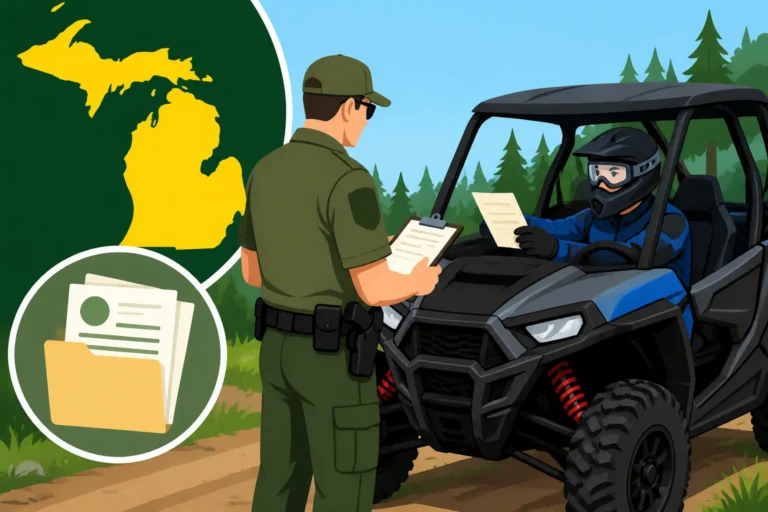
Beyond the financial hit, operating an ORV in Michigan that isn't properly titled within the state, especially after establishing residency, can lead to other issues. If you're stopped by a Conservation Officer or other law enforcement while riding your ORV, and they discover it's not properly titled for a Michigan resident, you could face a citation. There are penalties for operating an untitled ORV in Michigan, which can include fines. It's a risk you really don't want to take, especially when you're trying to enjoy Michigan's beautiful trails.
Late Fees and Penalties for Delayed Titling
Let's dive a bit deeper into those pesky late fees. When you finally get around to submitting your title application after the 30-day grace period, the Michigan Secretary of State will assess an additional charge. This is often structured as a flat fee, though it's always wise to verify the current figure. It's simply an administrative penalty for not adhering to the established timeline. While it might feel unfair, it's a consistent policy applied to all types of vehicle titling in Michigan when deadlines are missed. This is one of the reasons why understanding [Michigan Gives You 15 Days to Title an ORV] (for instate purchases) or the 30-day new resident deadline is so important.
In addition to late fees, you also run the risk of other penalties. Operating an untitled vehicle in Michigan, even if it's titled in another state, can lead to fines if you're caught. Law enforcement officers, particularly those patrolling ORV trails, are well-versed in Michigan's titling requirements. If they pull you over and discover your ORV hasn't been properly titled as a new resident, you could be issued a ticket. The severity of the fine can vary based on the officer's discretion and the specifics of the situation, but it's definitely an expense and hassle you want to avoid. Imagine trying to enjoy a beautiful ride up in the Upper Peninsula and having it ruined by a citation! To stay on the right side of the law, ensure your machine is titled and that you also have the necessary [Michigan ORV License and Trail Permit Explained].
What If Your Out-of-State Title Is Missing?
Sometimes, life throws a curveball, and you might discover your original out-of-state title is missing, lost during the move, or perhaps was never properly provided by the previous seller. This can definitely complicate things, but it's not an insurmountable obstacle. The most crucial thing is not to delay addressing this issue.
If your out-of-state title is missing, your first step should be to contact the Department of Motor Vehicles (or equivalent titling agency) in the state where the ORV was last titled. You'll need to request a duplicate title from that state. This process can take some time, as it involves their administrative procedures and mailing timelines. Be prepared to fill out forms and pay a duplicate title fee to that state. Many states now allow you to request a duplicate title online, which can sometimes speed things up, but always verify.
Once you receive the duplicate out-of-state title, you can then proceed with the standard Michigan titling process as outlined above. It's critical to have that official, original title in hand. Trying to title an ORV in Michigan without any prior title can be a much more complex process, sometimes requiring a [Bonded Title for an ATV in Michigan] or even a court order. So, tracking down that duplicate from your previous state is generally the easiest route.
In some rare cases, particularly if you bought an ORV with a very confusing or absent title history, you might need extra documentation. This is where tools like a comprehensive bill of sale, especially one from a service like LawDepot, can be incredibly helpful. A robust bill of sale clearly outlines the transaction, seller, buyer, and ORV details, which can be useful supplemental proof of ownership, especially if you're trying to establish the chain of custody for a machine with a muddled past. While it won't replace a title, having solid documentation from LawDepot can provide significant support. For more information on dealing with title issues, you might find guides like [Michigan ORV Title Problems and How to Clear Them] or [Proof of Ownership When a Michigan ORV Has No Title] helpful. Just remember, it's always easier to deal with a lost title than to try and title a machine with no history at all.
Making Your Move to Michigan Smooth for Your ORV
Moving your life, including your off-road adventures, to Michigan is an exciting prospect. This state offers an incredible network of trails, scenic routes, and diverse terrain perfect for ATVs and UTVs. By proactively understanding and addressing the Michigan ORV title deadline for new residents, you're not just avoiding fines and headaches; you're setting yourself up for seamless enjoyment of all that Michigan's ORV community has to offer.
Think of it as simply a necessary step to officially welcome your machine to its new home. Getting your ORV properly titled in Michigan means you're complying with state law, contributing to accurate record-keeping, and ensuring a smoother experience when you hit those trails. It simplifies future transactions, protects your ownership, and keeps you on the right side of the law. So, add "title ORV" to your new resident checklist, gather your documents, and make that appointment. You'll be glad you did when you're out exploring Michigan's incredible outdoor landscape without a worry in the world. Remember, whether you're bringing a shiny new side-by-side or a well-loved quad, a little planning goes a long way in enjoying Michigan's vibrant ORV scene.
Disclaimer
This article is for general informational purposes only and does not constitute professional advice. Laws, prices and regulations vary by location and change over time. Consult a qualified professional for guidance on your specific situation.