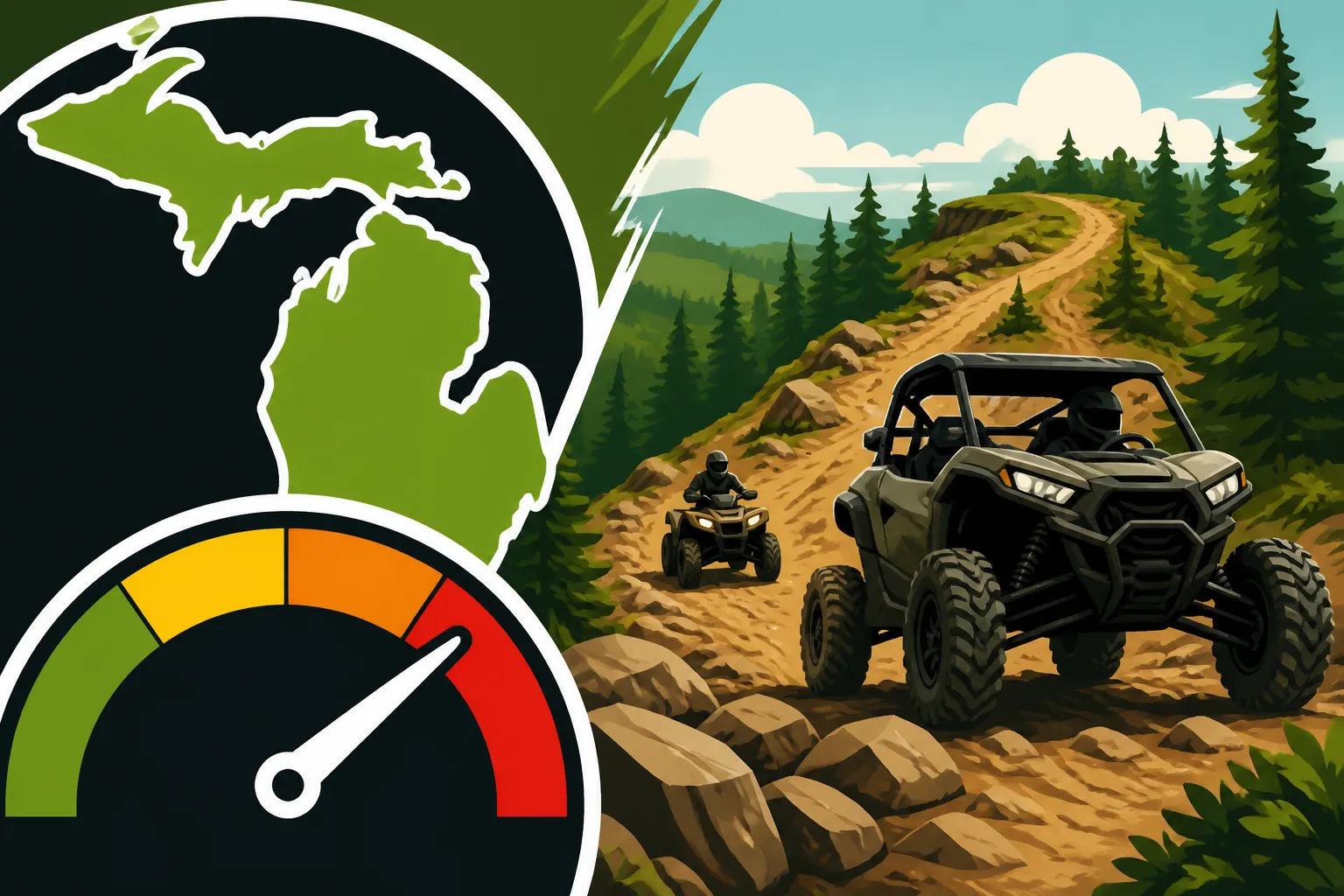
Turtle Ridge Trail Difficulty
Turtle Ridge on Drummond Island can feel like an easy scenic ride one moment and a demanding rock-and-rut challenge the next. That change catches riders off guard, especially when rain, unfamiliar terrain, or a machine’s limits enter the picture. This guide explains what makes the route difficult, how to judge whether it suits your group, and how to prepare for a safer ride.
What makes Turtle Ridge challenging
Terrain can change from one stretch to the next
Turtle Ridge is not best understood as one uniform trail with one dependable difficulty level. On Drummond Island, riders encounter a mix of rocky ground, uneven surfaces, and changing trail conditions. At Turtle Ridge, the challenge may come less from sustained high-speed riding and more from picking a careful line through rough sections.
Limestone can make the surface feel firm in one spot and awkwardly uneven in another. Loose rock, exposed stone, ruts, and changes in elevation can all affect how a machine handles. A short section that looks manageable from the seat may require slowing down, choosing a route around an obstacle, or asking a passenger to get out temporarily.
That variability is why a trail’s name or reputation cannot tell you everything about the ride on a particular day. For a broader overview of how trail ratings are used—and what they can and cannot tell you—see [Michigan ORV Trail Difficulty Ratings]. Treat a rating as a useful starting point, not a promise that every part of the trail will feel the same.
Weather can raise the difficulty
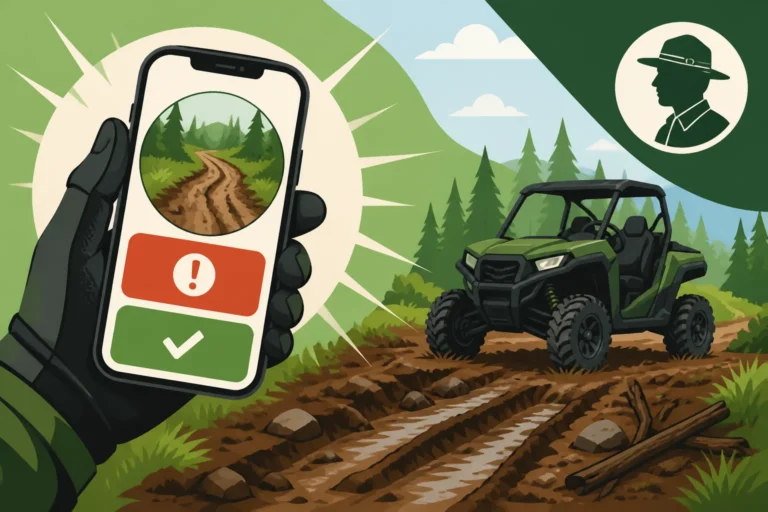
Rain can change the character of a ride. Wet rock may offer less predictable traction, while mud and standing water can hide holes or uneven ground. A route that felt comfortable in dry conditions can become more demanding after a storm, especially for a rider who is still learning how their machine responds on slippery surfaces.
The island’s limestone terrain deserves particular care when it is wet. A tire can lose grip on smooth stone, and a small correction on firm ground may not work the same way on a slick surface. Avoid charging into a section simply because another rider has already made it through. Their machine, tires, experience, and chosen line may all be different from yours.
Before heading out, consider recent weather and the condition of the route rather than relying only on an old trip report. [Drummond Island Limestone Trails After Rain] offers related context for thinking through post-rain conditions. If the trail is wetter or rougher than expected, turning around is a sensible riding decision—not a failure.
“Difficult” depends on the rider and machine
A confident, experienced rider on a suitable machine may find a rough stretch entertaining. The same section can feel intimidating to a first-time rider or someone operating a smaller youth quad. This difference is normal: comfort depends on experience, vehicle setup, passenger load, visibility, and how much room the rider has to maneuver.
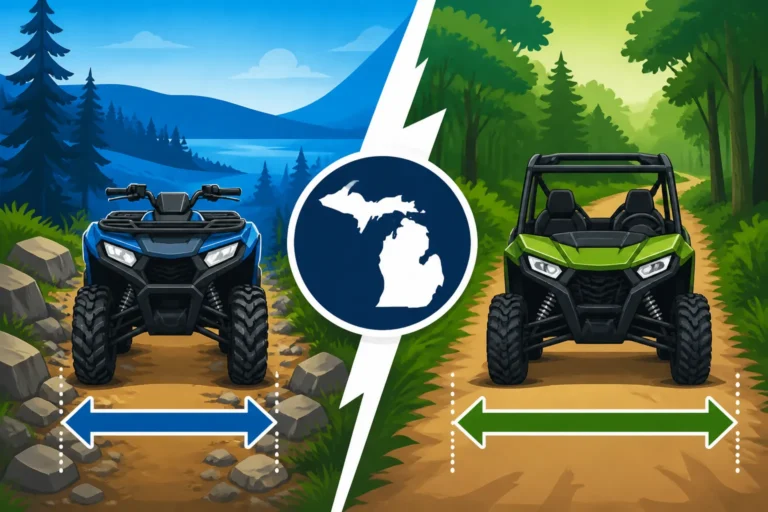
A side-by-side may offer a different feel from an ATV, but its size can also affect line choice and clearance. A wide machine may have fewer options around a rock or rut than a narrower quad. Before setting off, compare your vehicle’s width and capabilities with the route information available to you. [Michigan ORV Trail Widths Explained] can help you think about width restrictions and why a machine that fits one trail may not suit another.
| Riding factor | Why it affects difficulty | Practical response |
|---|---|---|
| Experience | New riders may need more time to judge lines and traction | Start slowly and leave room to stop |
| Recent rain | Wet rock, mud, and hidden ruts can reduce control | Reassess conditions before committing |
| Machine width | A wider UTV may have fewer route choices | Check current route and access information |
| Passengers or cargo | Extra weight can affect handling and clearance | Keep the load secure and within the machine’s limits |
| Visibility | Blind corners can hide other riders or obstacles | Reduce speed where you cannot see ahead |
How to decide whether Turtle Ridge suits your group
Match the ride to your least experienced rider
When a group includes riders with different skill levels, plan around the person who has the least experience—not the person eager to tackle the hardest section. A nervous rider may need more time to build confidence, and rushing them can lead to poor decisions. Agree in advance that anyone can ask the group to stop or turn around.
For a first visit, set expectations that the goal is to explore, not to clear every obstacle. Choose a conservative pace and pause in safe locations to check how everyone is feeling. If one rider is tense, struggling to maintain control, or repeatedly surprised by the terrain, take that as useful feedback about the group’s current comfort level.
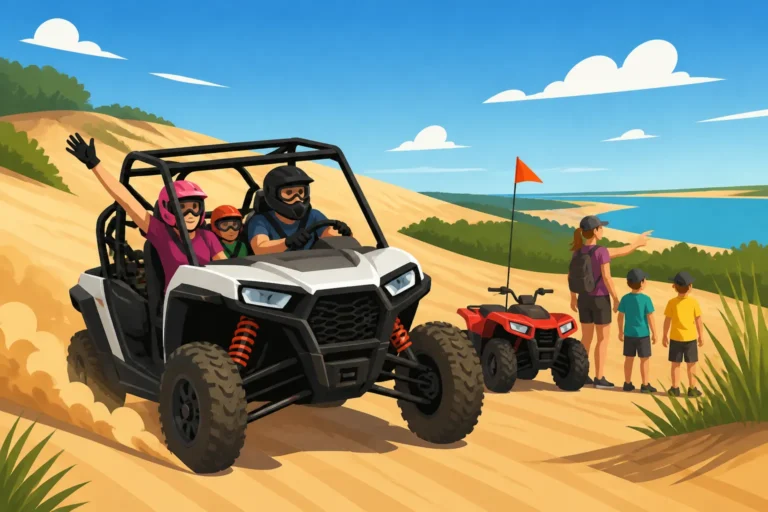
Families should think carefully about age, size, and supervision as well as terrain. A young rider who can manage a familiar machine on open ground may not be ready for a rough, unpredictable section. Review [Michigan ORV Age Rules at 10, 12 and 16] before planning a ride with children, and never assume that an adult’s ability translates directly to a child’s readiness.
Consider the machine, not just the trail name
Before riding, make sure the machine is appropriate for the route and in good working order. Check tires, brakes, steering, lights, and fuel. On rough ground, a minor mechanical issue can turn into a difficult recovery, so deal with a problem at the staging area rather than hoping it will disappear on the trail.
Think about ground clearance and tire condition. A machine that is comfortable on smooth forest roads may struggle when the route becomes rocky or rutted. Do not rely on engine power to compensate for a poor line: speed can make a loss of traction or a collision with an obstacle more serious.
For side-by-sides, consider passengers and cargo when judging maneuverability. A loaded UTV may handle differently from the same machine with only a driver, and bulky cargo can affect visibility or snag on surroundings. Secure gear, keep passengers seated as directed by the manufacturer, and avoid carrying more than the machine is designed to handle.
Know where your group can go next
Drummond Island has more to consider than one named route. Before choosing a ride, learn how Turtle Ridge fits into the wider network and whether nearby connections are suitable for your machine and experience. [Drummond Island ATV Trail Mileage] can help with general trip planning, while [Michigan ORV Trail Maps and What the Signs Mean] explains why following posted route information matters.
A map is useful, but it does not replace signs, local access rules, or current closure information. A line shown on a map may not tell you whether a specific segment is open, appropriate for your vehicle, or affected by temporary conditions. Check the route information available before you depart, then follow signs on the ground.
Digital mapping can help riders keep track of routes and plan around a group’s comfort level. Some riders use onX Offroad to review trail information and map their trip before leaving. Download or prepare the information you need ahead of time, and do not assume you will have dependable cell service everywhere on the island.
Preparing for a safer ride
Plan access and the day’s route before unloading
Getting to the island is part of the trip plan. Check the current ferry and vehicle arrangements before traveling with an ATV, UTV, or trailer, and leave enough time for loading, unloading, and reaching your riding area. [Getting to Drummond Island With an ATV] and [Drummond Island Ferry Cost With a Trailer] are useful related planning topics; confirm the practical details before you leave home.
Decide on a realistic ride plan that allows time for breaks and a return trip. Avoid building a schedule around the assumption that every section will be quick. Slow, careful riding takes longer than following a smooth road, and a group may need to stop to check a route, adjust equipment, or let another rider catch up.
Share your general plan with someone who is not riding with you. Agree on a check-in time and what they should do if they do not hear from you. Bring enough water, weather-appropriate clothing, a basic first-aid kit, and the tools or recovery equipment suitable for your machine and experience.
Use a steady pace and communicate clearly
The safest pace is one that lets you see, assess, and react. Slow down before blind turns and rough sections instead of braking hard after an obstacle appears. Keep a safe following distance so the rider ahead does not hide hazards or throw debris into your path.
Before the ride, agree on simple signals for stopping, slowing, or warning about an obstacle. Keep the group together without crowding one another. If someone falls behind, stop in a safe place and regroup rather than assuming they can catch up at speed.
On difficult terrain, do not feel pressured to imitate another rider’s line. A different route around an obstacle may be safer for your machine. If no safe line is obvious, stop and assess the situation. Do not attempt a maneuver beyond your ability just because other people are watching.
Respect shared routes and changing access
Riding responsibly helps protect access for everyone. Stay on routes that are open to your machine, obey signs, and avoid creating new paths around obstacles. A bypass can damage the surrounding area and may take riders onto land or routes where they do not have permission to travel.
Share the trail with patience. Other riders may be moving slowly because they are managing a challenging section, helping someone in their group, or dealing with a mechanical problem. [Trail Etiquette on Shared Routes] covers common ways to make a ride safer and more pleasant for everyone.
Conditions and access can change, so check for notices before your trip and again when you arrive. [Michigan ORV Trail Closures and Seasonal Dates] is relevant when you are planning around closures or seasonal access. If posted information conflicts with an app or older map, follow the current signs and official instructions.
Practical difficulty guide for Turtle Ridge
What a first-time rider should expect
A first-time rider should approach Turtle Ridge as a potentially technical ride, not as a guaranteed easy cruise. Even if the group encounters manageable stretches, rough patches can demand careful throttle control, attention to footing, and patience. That is especially true when the surface is wet, visibility is limited, or the rider has little experience on uneven ground.
If you are new to off-road riding, consider starting with easier terrain and building your skills before tackling the roughest sections. Practice controlled starts and stops, slow turns, and safe braking on ground that is appropriate for your machine. Being comfortable with basic handling makes it easier to focus on terrain rather than fighting the controls.
A first visit can also be a scouting ride. Turn around when a section feels beyond your ability or your group’s equipment. You can learn a great deal by observing the terrain, noticing how your machine responds, and identifying what you would want to improve before trying a more difficult ride.
What experienced riders should still watch for
Experience helps, but it does not remove risk. Familiar riders can become overconfident, particularly when they recognize a route or have ridden similar terrain elsewhere. Drummond Island’s surface, weather, and trail conditions may differ from what you are used to, so assess each section on its own terms.
Avoid carrying momentum into an obstacle just to keep moving. A controlled approach gives you more options if the ground is looser or steeper than it looked. If a passenger is uncomfortable or the machine begins to struggle, stop and reconsider rather than forcing the route.
A challenging ride should still leave room for judgment. The best measure of a successful day is not how many obstacles you crossed; it is whether the group returned safely, stayed within its abilities, and respected the route. When the conditions or terrain are beyond your comfort level, choosing an easier option is the right call.
Disclaimer
This article is for general informational purposes only and does not constitute professional advice. Laws, prices and regulations vary by location and change over time. Consult a qualified professional for guidance on your specific situation.