ORV Impoundment After a Serious Violation
No one ever expects to have their off-road vehicle seized by law enforcement. It's a gut-wrenching moment when a DNR officer or sheriff's deputy signals for you to pull over, and the conversation quickly turns serious. The thought of your beloved ATV or UTV being towed away, locked up, and facing unknown fees and penalties can be incredibly stressful, not to mention the shame and frustration that comes with it. This guide is here to walk you through the reasons an ORV might be impounded in Michigan, what to expect if it happens, and how to navigate the process of getting your machine back.
What Leads to an ORV Impoundment in Michigan?
An ORV impoundment isn't usually a first resort for minor infractions like a missing trail sticker. Instead, it's typically reserved for more serious violations where the operator or the machine itself poses a significant risk, or where there's a blatant disregard for Michigan's ORV laws. Think of it as law enforcement's way of immediately removing a problem from the trail or road.
Operating Under the Influence or Recklessly
One of the most common and severe reasons for an ORV impoundment is operating while intoxicated (OWI) or operating recklessly. Just like with a car, Michigan has strict laws against driving any motor vehicle, including ORVs, under the influence of alcohol or drugs. If a conservation officer or police officer determines you're impaired, they have the authority to impound your machine right then and there. This isn't just about safety; it's about criminal behavior.
Reckless operation falls into a similar category. This could include excessive speed, dangerous maneuvers, driving on prohibited private land, or riding in a way that endangers others. If your actions are deemed grossly negligent or intentionally dangerous, an officer isn't going to let you simply drive away. They'll secure the machine to prevent further harm and use it as evidence in any subsequent legal proceedings. The officer's priority is public safety, and if your riding poses an immediate threat, impoundment is a swift solution.
Operating Without Proper Ownership or Legal Status
Another major trigger for impoundment involves the legal status of the ORV or its operator. If you're found operating an ORV that is suspected of being stolen, has a tampered VIN, or is involved in a hit-and-run, it will be impounded immediately as evidence. Law enforcement needs to secure these machines for investigation. Similarly, if you're operating an ORV and are found to have a suspended or revoked driver's license, especially if that suspension is related to previous driving infractions, an officer might decide to impound the ORV because you are not legally permitted to operate any motor vehicle.
Sometimes, issues with the ORV's title or registration can also lead to impoundment, although this is less common for a first offense. If there's no clear proof of ownership, or if the ORV is known to be involved in ongoing legal disputes, impoundment might occur to protect all parties and prevent further illegal use. For example, if you are caught operating an ORV that has been reported stolen, even if you claim to have purchased it legitimately, the machine will be taken until ownership can be definitively sorted out. [How to Check If an ATV Is Stolen Before You Buy] outlines some ways to avoid this nightmare scenario.
Egregious Violations of ORV Laws
Beyond impairment and ownership issues, repeated or egregious violations of Michigan's ORV laws can lead to impoundment. While a single minor ticket might not result in your machine being towed, a pattern of non-compliance, or a particularly severe violation, can cross that line. This might include:
- Riding on Prohibited Lands or Roads: Repeatedly ignoring "No ORV" signs, trespassing on private property without permission, or riding on state or federal land where ORVs are explicitly banned can lead to impoundment. An officer might issue a warning or a ticket first, but if the violation is severe, or if you're a repeat offender, they may take the machine. [Which Michigan Roads Allow ORVs] details where you can and cannot ride.
- Operating an Unsafe or Illegally Modified ORV: While Michigan has specific requirements for street-legal UTVs, operating an ORV that is clearly unsafe for the operating conditions or has modifications that violate regulations can be a cause for concern. This is especially true if the modifications compromise safety features or make the ORV significantly louder than legal limits. Think about machines with excessively loud exhaust systems, or those missing critical safety components for the area they are operating in. Some riders customize their machines with parts from companies like SuperATV, which offer robust and compliant options, but illegal modifications can definitely draw unwanted attention.
- Lack of Required Permits or Safety Certificates: While rarely an immediate impoundment trigger on its own, if combined with other violations, a complete lack of required ORV permits, trail stickers, or safety certificates, especially for young riders, can add to an officer's decision to impound. For instance, an underage rider operating an ORV without a safety certificate and without proper adult supervision on a public trail could face impoundment. [Michigan ORV Safety Certificate Requirements] covers what young riders need.
These situations are often evaluated by the officer on a case-by-case basis, considering the severity, the immediate threat, and the operator's history. It’s always best to err on the side of caution and ensure you are fully compliant with all Michigan ORV laws.
The Impoundment Process: From Stop to Storage
If an officer decides to impound your ORV, the process unfolds in a specific way that can feel overwhelming in the moment. Understanding these steps can help you stay calm and know your rights, even if you're facing a difficult situation.
The Initial Stop and Officer's Assessment
The impoundment process begins with the initial stop. A law enforcement officer – it could be a Michigan DNR conservation officer, a county sheriff's deputy, or a state trooper – will pull you over. They'll typically explain the reason for the stop and begin their assessment. This assessment includes verifying your identity, checking the ORV's VIN, and observing your behavior. If they suspect impairment, they will conduct field sobriety tests. If they find evidence of a serious violation, such as illegal operation, a stolen machine, or impairment, they will inform you of their decision to impound the ORV.
At this point, you'll likely be asked to step away from the machine. The officer will secure the ORV, often by taking the keys and ensuring it cannot be immediately moved. They'll also explain what is happening, what charges you might be facing, and where your ORV will be taken. This is a critical time to remain respectful and cooperative, even if you disagree with the officer's assessment. Arguing or resisting can lead to additional charges and complicate the impoundment process further.
Towing and Storage Procedures
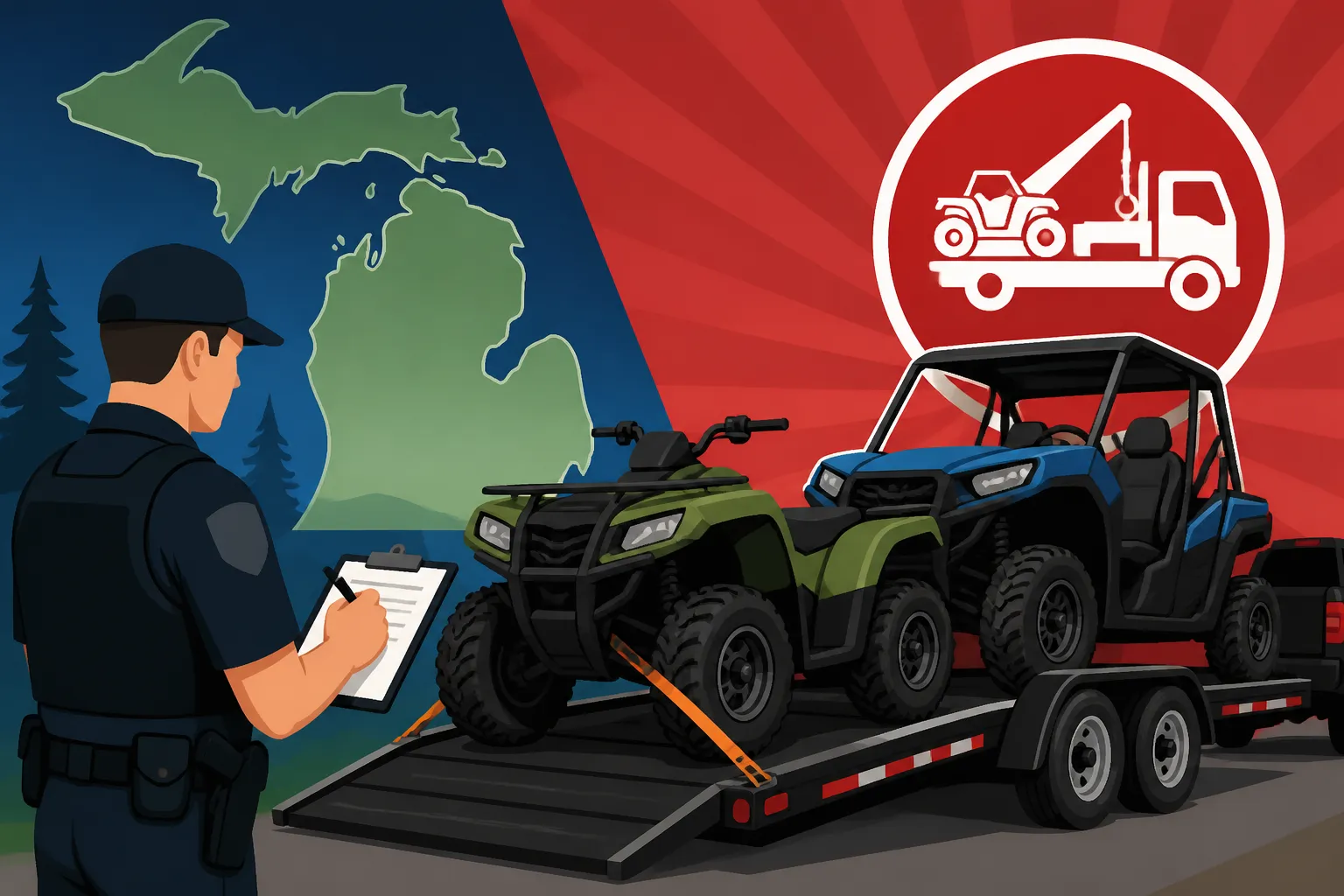
Once the decision to impound is made, the officer will arrange for a tow truck to transport your ORV to an impound lot. This is usually a designated lot operated by the law enforcement agency, a county facility, or a contracted private towing company. The officer will typically document the condition of your ORV before it's towed, noting any existing damage. This is important for both you and the authorities to prevent disputes later about damage that may or may not have occurred during towing or storage.
You will be given a receipt or documentation that includes information about the impoundment, the reason for it, the tow company used, and the impound lot's location and contact information. Keep this document safe, as you'll need it to retrieve your ORV. It's important to understand that from the moment your ORV is towed, storage fees begin to accrue daily. These fees, along with towing costs, become your responsibility to pay before the ORV can be released. Depending on the severity of the violation, you might also be taken into custody yourself.
Here's a simplified look at the steps:
| Step | Description | Your Action |
|---|---|---|
| Initial Stop & Assessment | Officer identifies a violation (OWI, reckless riding, stolen ORV, etc.) and decides impoundment is necessary. | Cooperate, remain calm, provide requested ID. |
| Notification of Impoundment | Officer informs you your ORV will be impounded, explains reasons, and potential charges. | Listen carefully, ask clarifying questions respectfully. |
| Securing the ORV | Officer takes keys, ensures machine cannot be moved. Documents condition. | Step away from the ORV, allow officer to secure it. |
| Tow Arrangement | Officer contacts a tow service. | N/A |
| Towing to Impound Lot | ORV is transported to a secure impound lot (police, county, or private). | N/A |
| Documentation & Release Details | You receive a impound receipt with impound lot details, reasons, and instructions for retrieval. Fees begin to accrue. You may also be taken into custody. | Keep the receipt safe. Understand immediate legal situation. |
Getting Your ORV Back: The Road to Recovery
Retrieving an impounded ORV in Michigan can be a multi-step process that often involves legal and financial hurdles. It's not as simple as just showing up and asking for it back.
Satisfying Legal Requirements
The first and often most challenging step is to address the legal reasons for the impoundment. If your ORV was impounded due to a serious violation such as OWI, reckless driving, or suspicion of being stolen, you likely won't be able to retrieve it until the legal proceedings related to those charges are initiated or resolved. This could mean appearing in court, paying fines, or even serving penalties. In cases of OWI, there might be a mandatory hold period on the vehicle as part of the legal process.
If the impoundment was due to a suspended license, you'll need to get your driving privileges reinstated. If it was due to issues with proof of ownership, you'll need to provide verifiable documentation to the authorities, such as a valid title in your name. [Proof of Ownership When a Michigan ORV Has No Title] can give you an idea of what evidence they might accept if your machine lacks a formal title. Sometimes, a court order is required for release, especially if the ORV is considered evidence in a criminal case. You might need to consult with an attorney to understand the specific legal requirements for your situation.
Paying All Fees and Charges
Once the legal hurdles are cleared, the next step is to pay all accumulated fees. This includes:
- Towing Fees: The initial cost of getting your ORV from the point of impoundment to the storage lot. These can vary significantly depending on the distance towed and the company used.
- Storage Fees: These accrue daily from the moment your ORV enters the impound lot. These fees can quickly add up, especially if there's a lengthy legal process involved. The longer your ORV sits, the more expensive it becomes.
- Administrative Fees: Some impound lots or law enforcement agencies charge an additional administrative fee for processing the impoundment and release paperwork.
- Fines and Penalties: Any court-ordered fines or penalties associated with the violation that led to the impoundment must also be paid.
You'll typically need to pay these fees in full before the impound lot will release your ORV. Most impound lots accept cash, cashier's checks, or major credit cards, but it's always best to call ahead and confirm their accepted payment methods. Keep all receipts for your records. The total cost can easily climb into the hundreds or even thousands of dollars, making impoundment a very expensive lesson. [Michigan ORV Title Transfer Cost for a Private Sale] might give you an idea of other ORV-related fees, though impoundment costs are separate and often much higher.
Required Documentation for Release
When you go to pick up your ORV, you'll need to bring specific documents to prove ownership and your right to take possession of the machine. Generally, this includes:
- Valid Photo ID: Your driver's license or state ID.
- Proof of Ownership: The ORV title or other official documentation showing you are the registered owner.
- Proof of Insurance: Depending on the impoundment reason or if the ORV is going to be operated on public roads or trails immediately, you might need to show proof of current ORV insurance. [Michigan ORV Insurance and When You Actually Need It] is a good resource for understanding these requirements.
- Impound Release Papers: The official paperwork given to you by the officer or the court, authorizing the release of the ORV.
- Payment Receipts: Proof that all towing, storage, and administrative fees have been paid.
It's absolutely essential to call the impound lot beforehand to confirm their exact requirements and hours of operation. Showing up without the correct documents or outside of business hours will only lead to further frustration and more accrued storage fees. Before you drive your ORV away, do a quick inspection for any new damage and report it to the impound lot staff immediately.
Preventing Impoundment: Staying Safe and Legal
The best way to deal with ORV impoundment is to ensure it never happens in the first place. By consistently adhering to Michigan's ORV laws and practicing responsible riding, you can avoid the headache, expense, and stress of having your machine seized.
Know and Follow Michigan's ORV Laws
This is the golden rule. Michigan has a comprehensive set of laws governing ORV operation, covering everything from where you can ride to what equipment your machine needs. Ignorance of the law is not an excuse, and officers expect riders to be fully informed.
- Understand Where You Can Ride: Don't just assume a trail or road is open to ORVs. Always check local ordinances and state regulations. Riding on private property without permission, on designated non-ORV trails, or on prohibited roads can lead to severe penalties. The state's Department of Natural Resources (DNR) website is a great resource for current maps and regulations. [Michigan ORV Trail Maps and What the Signs Mean] can help you interpret trail information.
- Comply with Equipment Requirements: Ensure your ORV meets all Michigan requirements. This includes having a working muffler with a spark arrestor, proper lighting for night riding, and any other specific equipment mandated for the areas you plan to ride. While companies like SuperATV offer fantastic aftermarket parts and accessories, always ensure any modifications you make comply with Michigan law to avoid issues.
- Have All Required Documentation: Always carry your ORV license/permit, trail sticker, and proof of ownership (title or registration). For younger riders, ensure they have their [Michigan ORV Safety Certificate Requirements] on hand and are riding under appropriate supervision. An officer stop is much smoother when you can readily provide all necessary paperwork. [Michigan ORV Paperwork During a DNR Stop] emphasizes the importance of this.
Ride Responsibly and Soberly
Responsible riding goes beyond just following the letter of the law; it's about good judgment and courtesy.
- Never Drink and Ride: Just like driving a car, operating an ORV under the influence of alcohol or drugs is illegal, incredibly dangerous, and almost guaranteed to lead to serious legal consequences, including impoundment. Designate a sober driver if you plan to consume alcohol, or simply don't drink when you're going to ride.
- Practice Safe Riding Techniques: Ride within your skill level and the capabilities of your machine. Avoid excessive speeds, reckless maneuvers, and driving off-trail. These actions not only endanger yourself and others but also draw negative attention from law enforcement.
- Be Mindful of Others: Share the trails responsibly, respect private property, and keep noise levels reasonable, especially in residential areas or near campgrounds. Being a courteous rider reflects well on the entire ORV community and reduces the likelihood of complaints that could lead to increased law enforcement presence and scrutiny.
By internalizing these practices, you're not just avoiding a potential impoundment; you're contributing to a safer, more enjoyable ORV experience for everyone in Michigan. Remember, the trails and roads are a privilege, and respecting them ensures they remain open for all to enjoy.
Disclaimer
This article is for general informational purposes only and does not constitute professional advice. Laws, prices and regulations vary by location and change over time. Consult a qualified professional for guidance on your specific situation.