Looking Up an ORV Title History
Buying a used ATV or UTV in Michigan can be an exciting prospect, full of visions of hitting the trails and enjoying the great outdoors. However, the thrill can quickly turn to dread if you discover the machine you just bought has a murky past, like a hidden lien, a salvage history, or even worse, was reported stolen. This comprehensive guide is designed to walk you through the essential steps and considerations for looking up an ORV title history in Michigan, empowering you to make an informed and safe purchase.
The Critical Importance of Unearthing an ORV's Past
It's so easy to get swept up in the excitement of finding that perfect ATV or UTV – the right color, the right engine size, and a price that seems just right. But overlooking its past can lead to a world of heartache and financial headaches. Just like buying a used car, an off-road vehicle carries its own unique history, and without doing your due diligence, you might inherit someone else's problems.
One of the biggest fears is unknowingly buying a stolen machine. Imagine the scenario: you've saved up, bought your dream quad, and are out enjoying the trails, only to be stopped by a conservation officer or sheriff's deputy who informs you the VIN matches a stolen vehicle report. Suddenly, your hard-earned money is gone, and you're caught in a legal battle that's not your fault. Checking the title history is your first line of defense against such a nightmare, potentially saving you immense stress and financial loss. It’s also wise to check the [How to Check If an ATV Is Stolen Before You Buy] guide for more specific steps.
Beyond theft, there's the issue of undisclosed financial obligations. Many people finance their ORVs, and sometimes, a seller might try to offload a machine with an active lien on its title. If you buy an ORV with a lien, that debt could legally transfer to you, making you responsible for the previous owner's loan. You could lose the machine if the original borrower defaults, even if you paid the seller in full. Understanding [Liens on a Michigan ORV Title] is crucial to avoid this very real pitfall. A title history will clearly show if any financial institution still has a claim on the vehicle, allowing you to ensure any lien is properly released before you hand over your cash.
Then there are the less obvious, but equally costly, problems like undisclosed damage or a history of being rebuilt from parts. An ORV that has been salvaged, rebuilt after a major accident, or involved in a flood may seem fine on the surface, but could harbor underlying issues that will cost you a fortune down the road. While not all damage is reflected on a title, significant events like a "salvage" or "flood" brand certainly will be, giving you vital clues about the machine's structural integrity and long-term reliability.
What Secrets an ORV Title History Can Unveil
When you manage to peek into an ORV's title history, you're not just looking at a piece of paper; you're gaining insight into its entire lifecycle, revealing clues that can either reassure you or send up major red flags. This historical data provides a crucial snapshot that helps you assess the true value and potential risks associated with a used off-road vehicle.
First and foremost, a title history can lay bare the ownership lineage. You can see how many previous owners the machine has had and, in many cases, how long each owner possessed it. An ORV that has changed hands frequently in a short period might suggest recurring problems that the previous owners couldn't or wouldn't fix. On the other hand, a machine with only one or two long-term owners might indicate a well-cared-for vehicle. This information gives you a clearer picture of stability and care.
Crucially, the title history reveals any recorded liens. As mentioned, this is a make-or-break piece of information. The record will show if there's an active loan against the ORV, and often, it will indicate when a lien was satisfied and released. Always confirm that any listed liens have been formally cleared before completing a purchase. This protects you from inheriting someone else's debt.
Another key piece of data, though not always present for ORVs, can be reported mileage or hour meter readings. While ORVs don't typically have odometers like cars, many UTVs and some ATVs now come with hour meters. If these readings were ever recorded during a title transfer or inspection, the history might show discrepancies that could suggest tampering or misrepresentation by a seller. It’s worth checking out [Odometer and Hour Meter Claims on a Used ATV] for more context.
Perhaps one of the most significant revelations from a title history comes in the form of brands or notations. These are special designations placed on a title by the state to indicate major events or conditions that affect the vehicle's status. Common brands include:
- Salvage: This means the ORV was declared a total loss by an insurance company, usually due to severe damage. It doesn't mean the machine is junk, but it requires a careful inspection, and it will often have a lower resale value. To understand this better, check [What a Salvage Title Means for an ATV Buyer].
- Rebuilt: If a salvage ORV was repaired and inspected to be road or trail-worthy again, it might receive a "rebuilt" brand. This signifies it was once a salvage machine but has since passed a state inspection.
- Flood Damage: Indicates the ORV was submerged in water, which can lead to long-term electrical and mechanical issues. You might want to refer to [Buying a Flood-Damaged UTV and What the Title Shows] if you encounter this brand.
- Prior Theft: While rarer to see as a title brand, some states may note if a vehicle was recovered after being stolen.
These brands are critical because they directly impact the ORV's value, safety, and insurability. A clean title without any such brands is always preferable and generally commands a higher price. When you're dealing with a private sale, a thorough title history check can inform your negotiations and protect you from nasty surprises. Many savvy buyers will even use platforms like LawDepot to draft a comprehensive bill of sale that explicitly states the ORV's title status, protecting both parties.
Navigating the Pathways to Obtain a Michigan ORV Title History
Getting your hands on an ORV's title history in Michigan isn't always as straightforward as you might hope, largely due to privacy regulations. However, there are established methods and resources you can tap into to gather the information you need. Persistence and knowing where to look are key.
Requesting Information from the Michigan Secretary of State
The most authoritative source for title information is, naturally, the Michigan Secretary of State (SOS). However, they operate under strict privacy laws, meaning they generally cannot provide detailed title histories to just anyone who asks. Typically, only the current registered owner of the vehicle or someone with their explicit, notarized permission can access comprehensive records. This is a common hurdle people face when trying to research a used ORV.
If you are the current owner, or if the seller is willing to go with you or provide you with a signed, notarized release, you can submit a request for vehicle record information. This usually involves filling out a specific form and paying a small fee. While this method is the most reliable for getting official state data, its limitation is precisely that requirement for current ownership or consent. The SOS can confirm if a title exists, if there are active liens, and any major brands (like salvage) associated with it, but they might not provide a detailed owner-by-owner history without the proper authorization. For more on this, consult [Requesting ORV Title Records From the State].
Utilizing Third-Party VIN Check Services
Given the privacy limitations of the SOS, many prospective buyers turn to third-party Vehicle Identification Number (VIN) check services. These services compile data from various sources, including state DMVs (where public record laws permit), insurance companies, police reports, and other databases.
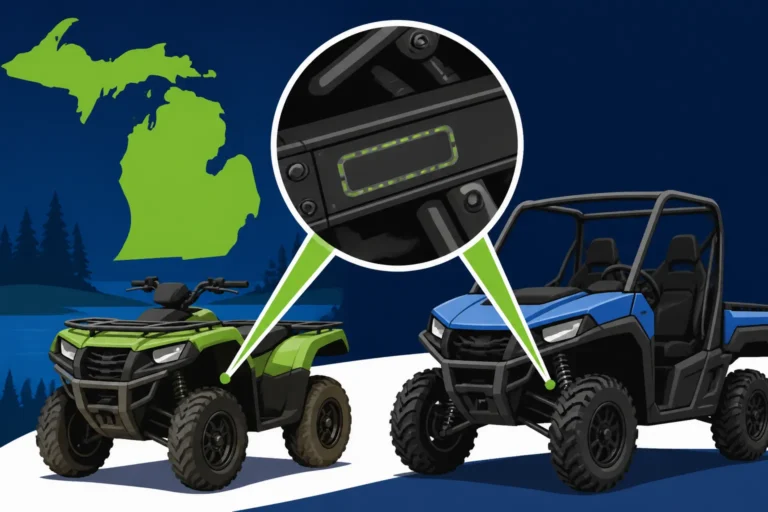
To use these services, you'll need the ORV's VIN. The VIN is a unique 17-character code that acts as the machine's fingerprint. You can usually find it stamped on the frame, often near the steering head, on a cross member, or on the engine case. Knowing [Where the VIN Is Stamped on an ATV or UTV] is critical for this step. Once you have the VIN, you can input it into a reputable service. Some well-known services include NICB (National Insurance Crime Bureau), which offers a free VIN check for theft records, as well as paid services that provide more comprehensive reports. A free [NICB VIN Check for a Used ATV] can at least tell you if it's currently reported stolen.
These comprehensive reports might include:
- Accident history: Though less common for ORVs than cars, some major accidents might be reported.
- Odometer/hour meter rollbacks: Any discrepancies flagged in reported readings.
- Title brands: Such as salvage, flood, or rebuilt status.
- Lien information: Details about past or current liens.
- Recall information: While not part of the title history, it's a valuable safety check.
It's important to remember that while these services are incredibly helpful, they are only as good as the data they can access. Not every piece of information about an ORV's past might make it into a centralized database, especially if it was never reported to an official agency or insurance company. Always consider these reports as a valuable tool, but not the absolute, exhaustive truth. Fees for these services vary, so it's wise to shop around.
Asking the Seller for Documentation
The simplest and often most direct way to get title history information is by simply asking the seller. A transparent and honest seller will usually be happy to provide documentation to prove clear ownership and alleviate any concerns. What you should ask for includes:
- The current Michigan ORV Title: This is paramount. Inspect it carefully for any alterations, smudges, or inconsistencies. The seller's name should match the name on the title exactly.
- Previous titles (if they have them): While less common, some sellers might retain old titles, which can provide a chronological paper trail.
- Bill of Sale: A detailed [Michigan ATV Bill of Sale: What to Put in It] protects both parties. It should include the VIN, make, model, year, sale price, and the names and signatures of both buyer and seller. Some buyers find it useful to use a template from a service like LawDepot to ensure all legal bases are covered in this document.
- Maintenance records: While not title history, these show how well the ORV was cared for.
If a seller is hesitant or refuses to provide documentation, it should be a major red flag. Always be wary of sellers who push for a quick sale without allowing you to verify the machine's history. Meeting the seller in a public place can also add an extra layer of safety, as detailed in [Meeting a Stranger to Buy an ATV Safely].
Here’s a quick comparison of methods for checking an ORV's history:
| Method | Key Information Provided | Pros | Cons |
|---|---|---|---|
| Michigan Secretary of State | Current owner, lien status, major title brands | Most official and accurate current data | Limited access without owner's consent/current owner |
| Third-Party VIN Check | Theft reports, accident history, title brands, lien data | Comprehensive, accessible to anyone with VIN | Relies on reported data, may not be exhaustive, fees |
| Asking the Seller | Current title, bill of sale, maintenance records | Direct, often free if seller cooperates | Only as reliable as the seller is honest |
When a Title History Alone Isn't the Full Story
While delving into an ORV's title history is a non-negotiable step in smart buying, it's crucial to understand that paperwork alone doesn't always tell the whole tale. There are some aspects of an ORV's condition and past that a title history simply won't capture. To truly protect yourself and ensure you're getting a reliable machine, you need to combine your title research with other forms of due diligence.
The Indispensable Role of a Physical Inspection
No amount of pristine title history can substitute for a thorough, hands-on physical inspection of the ORV itself. Even if the title is crystal clear, minor accidents, routine wear and tear, or even significant mechanical issues might never be reported to the state or an insurance company. These are the kinds of problems that will cost you money and downtime down the road, and only a physical check can uncover them.
When inspecting the ORV, look for:
- Frame damage: Bent or cracked frame components indicate hard impacts or excessive stress.
- Fluid leaks: Around the engine, transmission, or differentials.
- Tire condition: Uneven wear can signal alignment problems.
- Suspension components: Worn bushings, bent control arms, or leaking shocks.
- Brake condition: Check pads, rotors, and fluid levels.
- Electrical issues: Check lights, gauges, and switches.
- Unusual noises or vibrations: During a test ride, listen for anything out of the ordinary.
If you're not mechanically inclined, it's highly advisable to pay for a pre-purchase inspection by a qualified mechanic who specializes in ATVs and UTVs. This small investment could save you hundreds or even thousands in future repairs. A detailed guide on [Pre-Purchase Inspection Before Signing an ATV Title] can help you prepare for this vital step.
Verifying Lien Release and Seller Credibility
Even if a title history says a lien was released, it's always best practice to get tangible proof. Sometimes, there can be a lag in state records, or an administrative error. Ask the seller for the official lien release document from the financial institution. This ensures that the bank or lender has indeed relinquished all claims to the ORV. [Lien Release on a Paid-Off UTV] offers more information on this critical piece of paperwork. Without it, you could face unexpected complications down the line.
Beyond the paperwork, assess the seller's credibility. Do they seem knowledgeable about the machine? Are they open to answering all your questions, no matter how detailed? Do their responses align with what you've found in the title history? A seller who is evasive, pushes for cash-only deals without proper documentation, or seems overly eager to get rid of the machine quickly might be hiding something. Trust your gut feeling, but verify with facts.
The Power of a Comprehensive Bill of Sale
Even with a clean title history and a thorough inspection, a robust bill of sale is your final layer of protection. This legal document should clearly state the ORV's condition as understood by both parties at the time of sale, the purchase price, the VIN, and that the seller is conveying a clear title free of any liens. It should also include a statement that the ORV is sold "as-is," which protects the seller from post-sale claims about issues you later discover (unless they intentionally misrepresented facts).
You can easily find templates online or utilize services like LawDepot to create a legally sound bill of sale that captures all necessary details specific to Michigan ORV sales. This document, signed by both parties, serves as crucial proof of purchase and protects you should any future disputes arise. Ensure you both have signed copies. For more guidance, see [Michigan ATV Bill of Sale Template Requirements].
By combining a diligent title history search with a thorough physical inspection, verification of all lien releases, and a solid bill of sale, you significantly reduce your risk when buying a used ORV. Don't let the excitement of a new machine overshadow the importance of comprehensive due diligence.
Disclaimer
This article is for general informational purposes only and does not constitute professional advice. Laws, prices and regulations vary by location and change over time. Consult a qualified professional for guidance on your specific situation.