Michigan Dealer License Rules for ATV Sales
So, you're thinking about selling ATVs or UTVs here in Michigan, maybe turning a passion into a business, or perhaps you just bought a few machines and now you're wondering if you need a special license to move them along. It’s a common question, and one that trips up a lot of folks who just want to get out on the trails. This guide is here to clear up the confusion around Michigan's dealer license rules for ATV and UTV sales, helping you understand when you need one, how to get one, and what happens if you try to skirt the rules.
Understanding What Constitutes an ATV Dealer in Michigan
Before you even think about forms or fees, it’s crucial to understand what Michigan considers an ATV or UTV dealer. This isn't just about how many machines you sell; it's about your intent and the regularity of your sales. Many well-meaning individuals have found themselves in hot water because they didn't realize their activities crossed the line from private seller to unlicensed dealer.
When You Absolutely Need a Dealer License
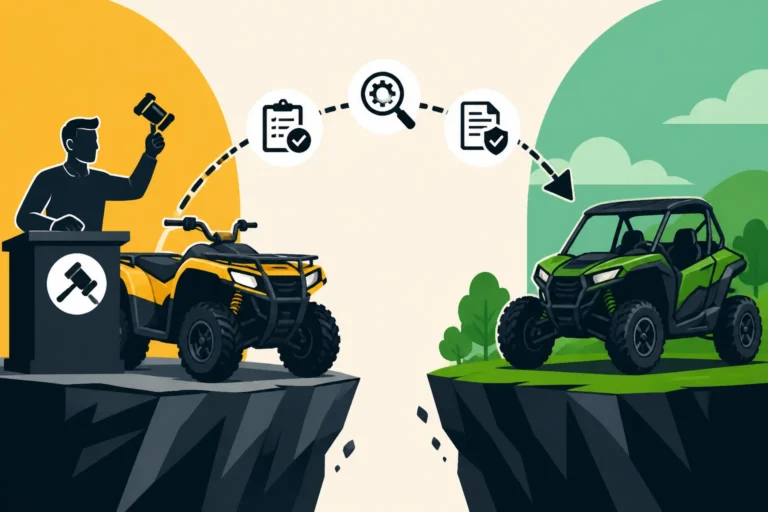
In Michigan, if you're regularly buying and selling off-road vehicles (ORVs) with the intent to make a profit, you're likely going to need a dealer license. This isn't just for big dealerships with flashy showrooms. It applies to anyone who meets the state's definition of "engaging in the business of selling ORVs." This often means you're buying machines, perhaps fixing them up, and then reselling them for more than you paid. If you're consistently doing this, year after year, or even a few times a month, the state will view you as a dealer. Think of it this way: if it’s more than just selling your old personal ride or helping a buddy out, it probably warrants a closer look at licensing. The state wants to ensure that consumers are protected and that sales tax is properly collected, which licensed dealers are set up to do.
If you're operating with a dedicated business name, advertising sales, or holding inventory for resale, these are all strong indicators that you're engaging in a business activity that requires a license. Even working out of your garage can trigger the requirement if your activities fit the definition. The key here is the pattern and purpose of your transactions, not just the physical location. A legitimate dealer acts as a conduit between manufacturers or previous owners and new buyers, often providing services like financing, trade-ins, and warranty support, all of which are regulated.
What Doesn't Require a Dealer License
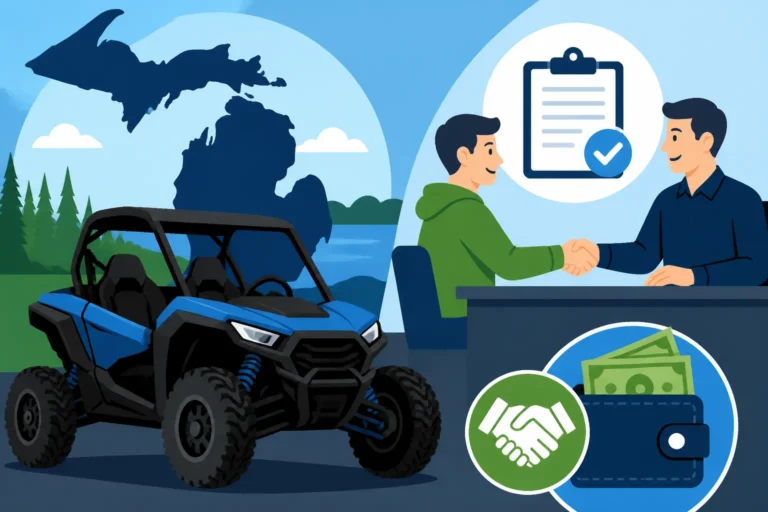
Now, let’s talk about what doesn’t make you a dealer, because this is where many private sellers breathe a sigh of relief. If you're just selling your personal ATV or UTV that you've owned and used, you absolutely do not need a dealer license. This is a private party sale, pure and simple. You might sell your old quad to upgrade to a newer model, or maybe your kids have outgrown their youth ATV. These occasional, non-commercial sales are completely fine. The transaction typically involves you, as the owner, transferring the title directly to the buyer. You’ll probably create a bill of sale to document the exchange, and the buyer will then be responsible for taking that paperwork to the Secretary of State to get their own title and pay any applicable sales tax. If you're looking for guidance on what that bill of sale should include, there's a helpful guide on [Michigan ATV Bill of Sale: What to Put in It].
Furthermore, if you're an auction house that occasionally handles ORVs as part of a larger estate or liquidation sale, you might fall under different rules, but generally, you're not considered an ORV dealer in the traditional sense unless you specifically specialize in ORV sales and acquisitions. The main distinction is the intent to profit from the repeated buying and selling of ORVs. If you're just clearing out old inventory or selling a machine you no longer use, relax, you're not on the hook for a dealer license. Just make sure you're properly transferring the [Michigan Title Transfer When You Buy From a Private Seller] and declaring the correct sales price for tax purposes.
The Nitty-Gritty of Applying for a Michigan ORV Dealer License
Alright, so you’ve determined that your aspirations or current activities mean you do need a dealer license. This isn't just a quick form and a stamp; it's a multi-step process designed to ensure you're operating a legitimate and compliant business. It might seem like a lot of hoops to jump through, but it’s all aimed at protecting both consumers and reputable dealers.
Essential Prerequisites Before You Apply
Before you even touch an application form, there are some foundational steps you need to take. First and foremost, you'll need to establish your business legally. This means deciding on a business structure—will you be a sole proprietorship, an LLC, or incorporate? You’ll need to register your business name with the state, obtain an Employer Identification Number (EIN) from the IRS if you plan to have employees, and perhaps get a tax ID number from the Michigan Department of Treasury. For creating professional legal documents for your business, such as operating agreements for an LLC or employee contracts, resources like LawDepot can be incredibly helpful for getting started with templates.
Next, you need a physical location that complies with local zoning ordinances. This isn't a "run it out of your garage" kind of deal for licensed dealers. You’ll need a designated business space, often with specific requirements for signage, office space, and a display area for your inventory. Don't forget to check with your city or township about any local business licenses or permits required in addition to the state ORV dealer license. Many municipalities have strict rules about commercial operations, especially regarding noise, traffic, and vehicle storage. Ensuring your location is properly zoned and permitted before you apply can save you a huge headache down the line.
Finally, you’ll likely need a surety bond. This is a form of financial protection for consumers, ensuring that if you, as a dealer, fail to uphold your obligations (like properly titling a machine or honoring warranties), there's a financial recourse. The bond amount can vary, so you'll need to check the current requirements with the Michigan Department of State.
Step-by-Step Application Process
Once your prerequisites are in order, you can dive into the actual application. This typically involves submitting a comprehensive application form to the Michigan Department of State, Bureau of Regulatory Services. You’ll need to provide detailed information about your business, its owners, your proposed location, and your sales operations. This includes everything from your business name and address to the names and background information of all principals involved. Don't be surprised if they ask for fingerprints or require background checks for key individuals.
Accompanying your application will be various supporting documents. This could include proof of your business registration, a copy of your surety bond, proof of property ownership or lease for your business location, and potentially photographs of your facility to show compliance with display and office space requirements. You’ll also need to pay an application fee. It's crucial to fill out all forms completely and accurately. Any missing information or errors can lead to significant delays, pushing back your opening day. Be prepared for a site inspection by a representative from the Department of State, who will verify that your physical location meets all the established criteria for a licensed dealership.
Financial and Insurance Requirements
Beyond the surety bond, there are other financial and insurance considerations for a Michigan ATV dealer. You’ll need to ensure you have adequate general liability insurance to cover your business operations, your premises, and any potential accidents involving customers or employees. This is not just a good idea; it's often a legal requirement. Think about the unexpected: a customer tripping over a display, a test ride gone wrong, or a machine falling off a lift. Comprehensive insurance protects your business from these often costly incidents.
You’ll also need to be prepared to handle sales tax. As a dealer, you will collect [Michigan ORV Sales Tax at a Secretary of State Branch] directly from your customers at the point of sale and then remit it to the state. This is a significant responsibility and requires diligent record-keeping. Unlike private sales where the buyer pays the use tax at the Secretary of State, dealers are responsible for collecting sales tax. Additionally, if you plan to offer financing, you'll need to ensure you comply with all state and federal lending laws, which might involve separate licensing or registration with financial regulatory bodies. Maintaining accurate financial records, from sales ledgers to tax documentation, is paramount for staying compliant and avoiding penalties.
Staying Compliant: Obligations of a Licensed Michigan ATV Dealer
Getting your dealer license is a huge accomplishment, but it's just the beginning. The state expects you to maintain certain standards and adhere to specific regulations to keep that license in good standing. Think of it as an ongoing commitment to responsible business practices, ensuring a fair and transparent market for Michigan's ORV enthusiasts.
Record-Keeping and Reporting Duties
As a licensed ORV dealer, meticulous record-keeping isn't just a suggestion; it's a legal obligation. For every ATV or UTV you buy and sell, you'll need to maintain detailed records. This includes copies of the original title, bills of sale, purchase agreements, and any service or repair records. These documents are vital for tracing ownership, verifying vehicle history, and ensuring proper tax collection. You'll also need to keep accurate records of all sales tax collected and remitted to the state. These records must be readily available for inspection by state authorities, often for several years after the transaction.
Furthermore, you are responsible for properly processing all title work for your customers. When you sell an ATV or UTV, you're usually the one who submits the title application on behalf of the buyer to the Michigan Secretary of State. This means understanding the [Michigan ORV Title Application and What It Costs] and ensuring all forms are filled out correctly, signatures are obtained, and the application is submitted within the state's specified timeframe. Failure to promptly and correctly handle title transfers can lead to frustrated customers, fines for your business, and even jeopardize your dealer license. This is a common area where new dealers can stumble, so having a robust system for paperwork is crucial.
Facility and Operational Standards
Your dealership isn't just a place to sell machines; it’s a reflection of your commitment to professional standards. Michigan requires licensed dealers to maintain a physical facility that meets specific criteria. This includes having a permanent, enclosed building to serve as an office and a designated display area for your inventory, which must be clearly visible. Your business hours should be posted, and you should be open for a reasonable number of hours each week, allowing customers access to your services. This prevents "curbstoning," or selling vehicles from a residential address or an undisclosed location, which can be a real problem in the industry and is covered in more detail in articles like [Curbstoning: Buying From an Unlicensed Seller].
Maintaining clear and accurate signage is also a must, prominently displaying your dealership name and license number. Your facility should be safe, clean, and accessible to the public during your posted business hours. This isn't just about aesthetics; it’s about providing a legitimate and professional environment for consumers. If your business involves service or repairs, those areas must also comply with relevant safety and environmental regulations.
Renewals and Continuing Education
Your Michigan ORV dealer license isn't a one-and-done deal. It requires regular renewal, typically annually, to remain valid. The renewal process will involve submitting updated application forms, verifying your continued compliance with all state regulations, and paying the renewal fee. You may also need to provide proof of ongoing insurance and your renewed surety bond. The state wants to ensure that you continue to meet all the requirements that were in place when you first applied.
While formal continuing education isn't always mandated in the same way it is for some other professions, staying informed about changes in Michigan ORV laws, titling procedures, and tax regulations is essential for any responsible dealer. The Michigan Department of State regularly updates its rules, and it’s your responsibility to keep up. Subscribing to industry newsletters, attending dealer association meetings, or regularly checking the Department of State's website for updates can help you stay ahead of the curve. Being proactive in your compliance efforts will save you from potential penalties and ensure your business runs smoothly year after year.
The Risks of Selling ATVs Without a Michigan Dealer License
Operating a business is a huge undertaking, and while the idea of skipping the licensing process might seem like an easy shortcut, the truth is, it's a dangerous path with severe consequences. Michigan takes its dealer licensing rules seriously, and for good reason: they protect consumers and ensure fair competition for legitimate businesses. Trying to sell ATVs or UTVs without the proper license can quickly turn your side hustle into a legal nightmare.
Penalties for Unlicensed Sales
The state of Michigan is not lenient when it comes to unlicensed vehicle sales. If you are caught operating as an ORV dealer without a valid license, you could face significant fines, potentially thousands of dollars, for each offense. It’s not just a slap on the wrist. Beyond monetary penalties, the state can issue cease and desist orders, forcing you to immediately stop all sales activities. Ignoring such an order can lead to even more severe legal repercussions. In some cases, operating an unlicensed dealership can even be considered a misdemeanor, or in repeated or egregious situations, a felony, carrying potential jail time.
Imagine trying to sell a few ATVs out of your backyard and suddenly finding yourself facing criminal charges, an expensive legal battle, and a permanent mark on your record. It’s a real possibility. The state actively investigates complaints about unlicensed sellers, and consumers are often the first to report suspicious activity. These penalties are designed to deter illegal operations and level the playing field for licensed dealers who have invested time and money into complying with state law. Articles like [Michigan ORV Title Fraud Penalties] hint at the state's seriousness regarding vehicle-related offenses.
Consumer Protection and Your Liability
One of the primary reasons for dealer licensing is consumer protection. Licensed dealers are held to a higher standard and are subject to state regulations that protect buyers from fraud, misrepresentation, and faulty sales practices. When you operate without a license, you strip buyers of these protections, and you open yourself up to immense personal liability. If you sell a machine that turns out to have undisclosed defects, a rolled-back odometer, or a questionable title, the buyer has far fewer avenues for recourse through the state's regulatory bodies. They will, however, have direct legal recourse against you.
Without the structure of a licensed business, you are personally liable for any issues that arise from your sales. This means a disgruntled buyer can sue you directly for damages, potentially impacting your personal assets, including your home, savings, and other property. A licensed dealer, operating as a corporation or LLC, often has some degree of separation between personal and business liabilities. An unlicensed seller has no such shield. You might think you're saving money on fees, but you're actually putting everything you own at risk. When considering legal forms for proper sales agreements, even for a private sale, a resource like LawDepot can provide templates that offer some level of protection by clearly outlining terms.
Impact on Your Reputation and Future Business
Beyond the immediate legal and financial penalties, operating without a license can irrevocably damage your reputation. In today's interconnected world, news of illegal or unethical business practices travels fast. A quick online search by a potential buyer can reveal past legal issues, making it incredibly difficult to build trust and attract customers in the future, even if you eventually decide to get licensed. Once labeled as an unlicensed seller, or worse, a "curbstoner," that stigma can be hard to shake off.
If you ever decide to pursue a legitimate licensed dealership in the future, your past history of unlicensed sales will be a significant red flag during the application process. The Michigan Department of State scrutinizes applicants, and a history of non-compliance can lead to your application being denied outright. It effectively closes doors to future opportunities in the industry. It's simply not worth the short-term perceived savings to risk your financial well-being, legal standing, and future career prospects. It's always better to do things the right way from the start. This can also impact your ability to deal with official bodies, like visiting [Michigan Secretary of State Branches That Handle ORV Titles] for legitimate business.
Disclaimer
This article is for general informational purposes only and does not constitute professional advice. Laws, prices and regulations vary by location and change over time. Consult a qualified professional for guidance on your specific situation.