Storing Your ATV Title Somewhere Safe
There's nothing quite like the knot in your stomach when you realize an important document, like your Michigan ATV or UTV title, isn't where it's supposed to be. It's a common scenario – maybe you moved, reorganized, or perhaps an unexpected event like a fire or flood has threatened your essential paperwork. This guide is here to help you understand the critical importance of your title and lay out the best strategies for keeping it safe, so you never have to face the stress of a lost or damaged document again.
Why Your Michigan ATV Title is So Important (and Risky if Lost)
When you own an off-road vehicle in Michigan, the title isn't just a formality; it's the fundamental proof of your legal ownership. Without it, you can run into a whole host of frustrating and costly problems. Think of it like the deed to your house or the title to your car – it's the ultimate authority, and keeping it secure is paramount.
More Than Just a Piece of Paper: Its Legal Weight
Your Michigan ATV or UTV title serves as the official document that links you, the owner, to your specific machine via its unique Vehicle Identification Number (VIN). This isn't just about bragging rights; it's about solid legal standing. If you ever decide to sell your machine, the buyer will absolutely need that original, properly endorsed title to transfer ownership into their name. Trying to navigate a sale without it can quickly turn into a headache, as detailed in [Selling an ATV in Michigan Without a Title: What Goes Wrong]. Without a valid title, proving you actually own the machine becomes incredibly difficult, leading to scenarios described in [Proof of Ownership When a Michigan ORV Has No Title].
Beyond sales, the title is crucial for various official interactions. If you ever need to apply for a lien release after paying off a loan, or if you encounter any legal disputes regarding your ATV, that title is your definitive proof. In the unfortunate event of theft, having your title readily available helps law enforcement track and verify your ownership, assisting in recovery efforts. It's the paper trail that validates your investment and protects you from potential fraud or disputes down the line.
Common Ways Titles Get Lost or Damaged
Life happens, and sometimes, even with the best intentions, important documents go astray. One of the most common culprits is moving. Boxes get packed, unpacked, and sometimes misplaced or forgotten entirely. What felt like a "safe place" in your old home might not exist in the same way in a new one, leading to endless searching through piles of papers.
Then there are natural disasters. A house fire can devastate everything, and water damage from floods or even a burst pipe can render paper documents unreadable. Even less dramatic events, like a spilled drink on your desk, can ruin a title if it's left unprotected. The "I'll put it somewhere safe" moment often turns into "Where on earth did I put that thing?" months or years later. Misfiling is another huge issue; perhaps it got tucked into a folder for a completely different vehicle or important document. The frustration of tearing your house apart, rifling through drawers and cabinets, only to come up empty-handed is a feeling many of us know all too well. Having a plan now can save you that heartache later when you inevitably need to pull out your title for something important.
The Best Places to Store Your Michigan ATV Title for Security
When it comes to securing such a vital document, you want a solution that balances protection, accessibility, and peace of mind. There are several effective options, each with its own set of pros and cons, allowing you to choose what best fits your lifestyle and security needs.
Secure, Off-Site Storage Solutions
For maximum protection against local disasters and theft, off-site storage is often the gold standard.
- Bank Safe Deposit Box: This is perhaps the most traditional and often recommended method for critical documents.
- Pros: Bank vaults offer unparalleled physical security, typically with robust fire suppression and flood protection systems. They are guarded 24/7, making theft extremely difficult. Your title is safe from household accidents, natural disasters affecting your home, and burglars. This offers a high degree of peace of mind.
- Cons: The primary drawback is access. You can only retrieve your title during bank operating hours, which can be inconvenient if you need it quickly for a sale or other unexpected reason. There's also an annual fee, which varies depending on the size of the box. Additionally, if you're the sole signatory, access by family members after your passing can become a complex legal process, sometimes requiring a court order. This is where careful estate planning comes in, potentially using resources like LawDepot to establish proper directives.
- Professional Document Storage Services: While typically used by businesses, some individuals with extensive valuable paper assets might consider this. These services offer climate-controlled, highly secure facilities.
- Pros: Excellent physical security, environmental controls to preserve paper, and sometimes even digital inventory management.
- Cons: This is generally overkill and cost-prohibitive for a single ATV title. Access can be even more restricted than a bank, often requiring appointments and delivery services.
Secure, On-Site Storage Solutions
If you prefer to keep your title within easy reach at home, robust on-site solutions are available.
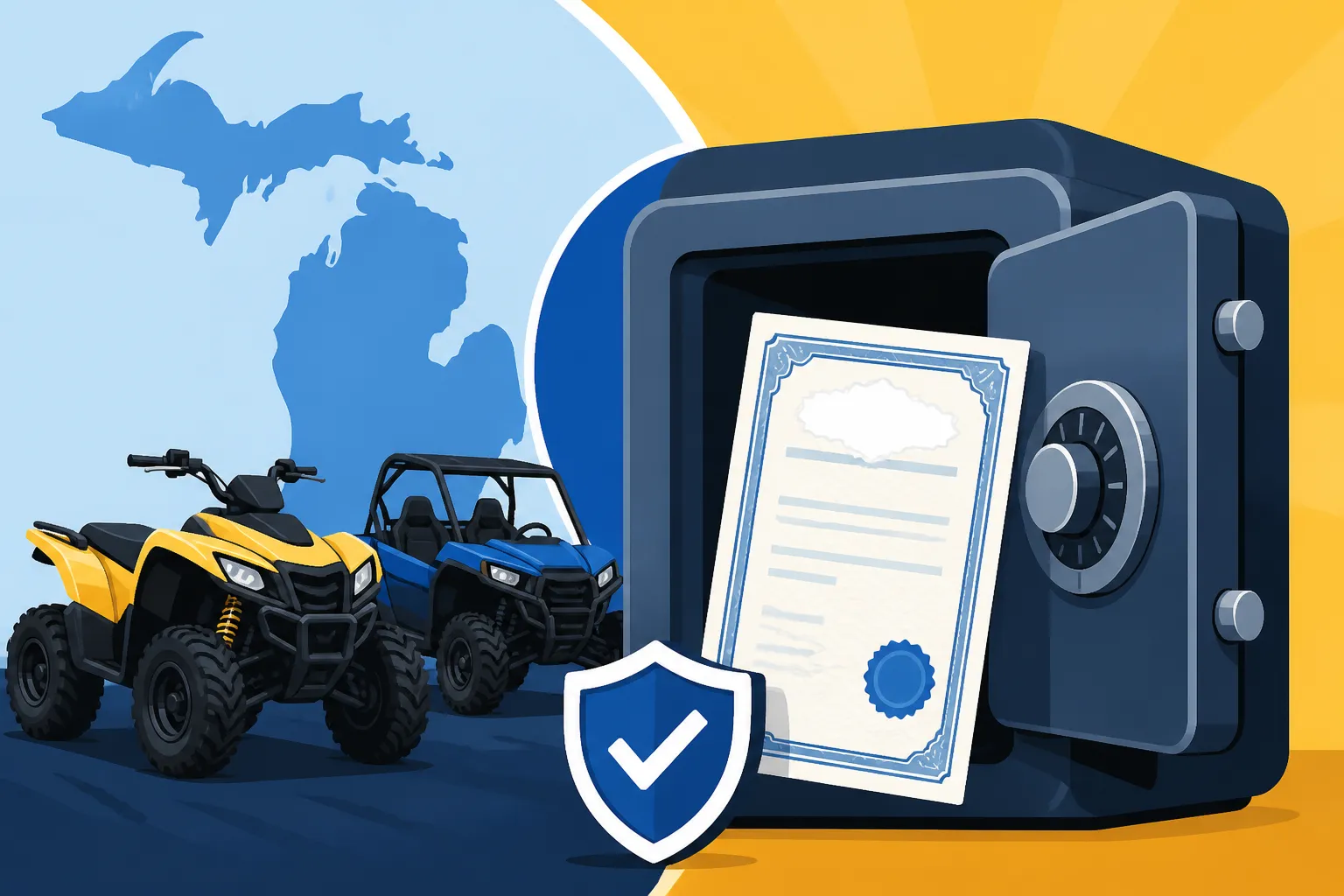
- Fireproof/Waterproof Safe at Home: Investing in a high-quality home safe designed to withstand fire and water is an excellent compromise between security and accessibility.
- Pros: Your title is immediately accessible whenever you need it, day or night. It offers protection against common household hazards like fire and water damage, which are major threats to paper documents. Many safes also offer a degree of theft protection, especially if they are heavy or bolted to the floor. This is particularly helpful if you need to quickly grab documents for something like [Michigan Secretary of State Appointments for ORV Title Work] or to fill out a [Michigan ORV Title Application Form and Where to Get It].
- Cons: A home safe is an upfront investment. While it deters casual thieves, determined burglars might still be able to remove a small, unbolted safe. It won't protect against a total home destruction event if the safe isn't rated for extreme conditions or if it's compromised by structural collapse. Always ensure your safe is rated for the level of protection you need.
- Hidden, Undisclosed Spots in Your Home: Some people opt for a clever hiding spot. This could be a false bottom in a drawer, a discreet wall safe, or even a specific, rarely-used book on a shelf.
- Pros: No ongoing costs, immediate access, and if chosen well, it can be overlooked by casual intruders.
- Cons: The risk of damage from fire or flood is high, as these spots rarely offer protection. There's also the significant risk of forgetting where you put it, making it essentially "lost" to you. If no one else knows its location, it can be permanently lost if something happens to you, creating a huge problem for your heirs when they need to navigate [Transferring a Michigan ORV Title After an Owner Dies].
- Digitizing for Backup (with a caveat): While a digital copy is not a legal substitute for the original paper title, having a high-resolution scan or photo stored securely (e.g., in an encrypted cloud service or on an external hard drive in your safe) can be immensely helpful.
- Pros: Provides a visual reference if you need to provide details (like the VIN or title number) without handling the original. It can aid in the process of [Replacing a Lost Michigan ORV Title] by having all the necessary information readily available.
- Cons: Crucially, a digital copy cannot be used to transfer ownership or for most official transactions. It's strictly for informational backup. Never store it in an insecure location online where it could be accessed by identity thieves.
What NOT to Do with Your ATV Title
Just as important as knowing where to store your title is knowing where not to store it. Some seemingly convenient options carry significant risks that can lead to headaches, loss, or even legal trouble down the road.
Avoid the Obvious Pitfalls
It's easy to make a quick decision about where to stash an important document, especially when you're busy or excited about a new purchase. But some common choices are simply too risky.
- In the ATV Itself: This is a surprisingly common mistake. Many riders think keeping the title in the glove box, under the seat, or in a storage compartment of their ATV or UTV is convenient. However, this is one of the worst places.
- Security Risk: If your ATV is stolen, your title goes with it, making it easier for the thief to potentially re-title the machine fraudulently.
- Damage from Elements: The inside of an ATV is exposed to vibrations, moisture, dust, and temperature fluctuations. Your paper title can easily get torn, smudged, or rendered illegible over time. This is different from carrying a copy of your title for trail riding, which can be useful as discussed in [Carrying a Title Copy on a Trail Ride], but the original should never be stored with the machine.
- Your Wallet or Purse: While you might carry your driver's license here, your ATV title is too valuable and large to be a permanent resident of your wallet or purse.
- High Loss Risk: Wallets and purses are frequently lost or stolen. Losing your entire personal identification plus your vehicle title at once is a nightmare scenario for identity theft and a huge hassle to replace everything.
- Unsecured Desk Drawer or Filing Cabinet: This might seem like a natural place for documents, but unless it's a locked, fire-rated cabinet, it offers minimal protection.
- Easy Access for Others: Anyone with access to your home or office could potentially get their hands on your title. This includes guests, cleaning staff, or even less-than-honest family members.
- Low Protection: These offer no protection against fire, flood, or serious theft attempts. A casual break-in would likely see these items quickly discovered.
- Letting Others Hold It Indefinitely: While you might trust a family member or friend, giving someone else indefinite possession of your original title opens up a complex web of potential issues. They might lose it, refuse to return it, or even attempt to misuse it. Unless it's part of a formal legal agreement (like a lienholder holding it), you should always retain control of your title.
The Dangers of Insecure Digital Copies
We live in a digital world, and it's tempting to think a photo or scanned copy of your title is "good enough." While digital backups have their place for reference, they come with significant limitations and risks if not handled correctly.
- Not a Legal Substitute: Let's be absolutely clear: a digital copy of your Michigan ATV title is not legally valid for transferring ownership, securing loans, or most official purposes. You will always need the original paper document for transactions like [Michigan Title Transfer When You Buy From a Private Seller]. Don't assume a digital file will suffice when the time comes to sell or transfer your machine.
- Risk of Identity Theft: Storing a digital image of your title on an unencrypted phone, public cloud storage, or an unsecured computer creates a huge vulnerability. Your title contains sensitive information, including your name, address, and the vehicle's VIN. If this information falls into the wrong hands, it can be used for identity theft, fraudulent loans, or even to create fake documents. Always use encrypted, password-protected storage for any digital copies of sensitive documents.
Essential Practices for Title Management
Beyond finding a physical storage spot, responsible title management involves a few ongoing practices to ensure your document remains secure and accessible when you need it most. These steps can save you immense time and stress, especially if the unexpected happens.
Create a Home Inventory and Document List
One of the most valuable tools for managing important documents is a comprehensive home inventory list. This list should go beyond just your ATV title and include all critical papers: deeds, wills, insurance policies, birth certificates, and other vehicle titles.
- What to Include: For your ATV title, record the full VIN, the title number, the date the title was issued, and most importantly, where the physical title is stored. Do this for all major assets.
- Why It Helps: If you ever need to [Requesting ORV Title Records From the State] due to a lost title, having this information readily available will significantly expedite the process. In the event of a disaster (like a house fire where your safe was compromised), this list, stored separately and securely, acts as a blueprint of your important assets and where their documentation should be. You might even use a service like LawDepot to create a will or estate plan, and this inventory can be an invaluable attachment, clearly referencing the location of all important assets.
- Storage of the List: This inventory list should be stored separately from the documents themselves. Keep a copy in your fireproof home safe, another digital copy in an encrypted cloud service, and perhaps a physical copy with a trusted family member.
Inform Trusted Individuals
This is a step often overlooked but can be critically important, especially for your loved ones. Make sure at least one trusted person knows where your important documents are stored and how to access them.
- Who to Inform: Your spouse, an adult child, or the executor of your will are ideal candidates.
- What to Share: Don't just tell them "it's in the safe." Provide them with clear instructions on the exact location, any necessary safe combinations or keys, and contact information for the bank if it's in a safe deposit box.
- Why It's Crucial: In the unfortunate event that you become incapacitated or pass away, this knowledge is invaluable for your family. It prevents them from having to undertake a stressful, time-consuming search for vital papers, allowing them to focus on more important matters. This practice is essential for smooth transitions, particularly in situations like [Transferring a Michigan ORV Title After an Owner Dies], as it empowers your executor with the information they need without unnecessary legal hurdles.
Regular Review and Updates
Life isn't static, and neither should your document management plan be. Periodically review your storage solutions and your inventory list.
- Check Your Storage: Every year or two, open your safe, check your safe deposit box, or verify your hidden spot. Ensure the title is still there, undamaged, and that the environment is still secure. Is the safe still bolted down? Are the keys or combinations still accessible to those who need them?
- Update Beneficiaries/Access: If you have a safe deposit box, confirm who has access and update authorized signatories if your family situation changes (e.g., marriage, divorce, adult children). If you have a lien on your ATV, make sure that once the loan is paid off, you receive the [Lien Release on a Paid-Off UTV] and subsequently a clean title, which you then securely store.
- Revisit Your Inventory: Update your home inventory list whenever you acquire new titled vehicles, sell old ones, or change your storage methods. This ensures your records are always accurate and current.
Remember, your Michigan ATV or UTV title is a testament to your legal ownership and an essential document for every phase of your machine's life, from purchase to sale. Taking the time now to implement secure storage practices is a small effort that can save you from significant stress, financial loss, and legal headaches down the road.
Storage Options for Your Michigan ATV Title
| Storage Option | Key Benefits | Potential Drawbacks | Best For |
|---|---|---|---|
| Bank Safe Deposit Box | High security, fire/flood proof, theft protection | Limited access hours, annual fee, complex inheritance | Maximum security, long-term storage |
| Fireproof/Waterproof Home Safe | Accessible 24/7, protects against home hazards | Upfront cost, can be stolen if not secured, limited extreme disaster protection | Convenient access, protection from common household risks |
| Secure Digital Backup | Easy reference, aids replacement process | Not a legal original, security risk if unsecured | Quick lookup, assistance for replacement (secondary) |
| Hidden Spot in Home | No cost, immediate access (if remembered) | High risk of loss/damage, potential for forgetting | Not recommended for primary storage |
| In the ATV Itself | "Convenient" | High theft risk, damage from elements, not legal for transfer | Absolutely not recommended |
| Wallet/Purse | Immediate access | High risk of loss/theft | Absolutely not recommended |
Disclaimer
This article is for general informational purposes only and does not constitute professional advice. Laws, prices and regulations vary by location and change over time. Consult a qualified professional for guidance on your specific situation.