Youth Quad Weight and Rider Fit
One of the biggest worries for any parent buying a youth ATV or UTV is getting the size right. It's not just about what looks cool or what's on sale; an improperly sized machine can quickly turn a fun family outing into a dangerous situation, leading to fatigue, loss of control, and even serious accidents. This guide will walk you through the critical factors of youth quad weight and rider fit, helping you make an informed decision that prioritizes your child's safety and enjoyment on Michigan's trails.
Why Youth Quad Weight and Rider Fit Matter So Much for Safety
When you're looking at ATVs for your child, it’s easy to get caught up in engine size or the latest features. But honestly, the most crucial elements are how the machine fits your child and whether they can comfortably control its weight. These aren't just minor details; they are fundamental to preventing accidents and building confidence. An ATV that's too big can be incredibly difficult to maneuver, especially in unexpected situations or on uneven terrain.
Imagine a child trying to lean into a turn on a machine that's too wide for their stance, or struggling to hit the brakes because the levers are too far a reach. Their arms might fatigue quickly from trying to steer a heavy machine, reducing their reaction time. Conversely, a quad that's too small might feel cramped and unstable, making it harder for an older, larger child to balance or shift their weight effectively. It’s a delicate balance, and getting it wrong can have real consequences. This isn't just about fun; it’s about responsible riding.
The Dangers of an Oversized Quad for Young Riders
An ATV that is too large for a child is a recipe for disaster, plain and simple. When a quad is too heavy, a child might not be able to counteract its momentum if it starts to tip or slide. They might not have the physical strength to hold the handlebars steady over bumps, leading to a loss of control. The seat height might prevent them from touching the ground with their feet, making it impossible to stabilize themselves when stopped or during a slow, wobbly turn.
Consider a scenario where a child needs to make an emergency stop or swerve to avoid an obstacle. If their hands can't properly grip the controls or their feet can't reach the footpegs securely, their ability to react is severely compromised. An oversized machine can also be intimidating, leading to anxiety and making the child hesitant to learn proper riding techniques. We want them to feel empowered and in control, not overwhelmed by a machine that feels like it’s wearing them. For more on ensuring a proper machine for your youngster, check out [Youth ATV Size Rules Michigan Parents Should Know].
The Problems With an Undersized Quad for Growing Kids
While an oversized quad is often the primary concern, an undersized machine can also present its own set of problems, particularly as your child grows. A quad that's too small can lead to cramped riding positions, which quickly causes fatigue and discomfort. This discomfort can distract a rider, pulling their focus away from the trail and potential hazards. If a child's knees are hitting the handlebars, or their feet are struggling to stay on the pegs, their ability to safely operate the machine is compromised.
Furthermore, an undersized quad might not have the power or stability needed for an older, heavier child to tackle even moderate terrain, potentially leading to instability or feeling "underpowered" in situations where more torque is needed. An older child on a machine designed for younger, lighter riders can push the quad beyond its design limits, stressing components and increasing the risk of mechanical failure. It can also lead to bad habits, as they might try to compensate for the machine's small size by adopting unsafe riding postures.
Decoding Manufacturer Recommendations for Your Child
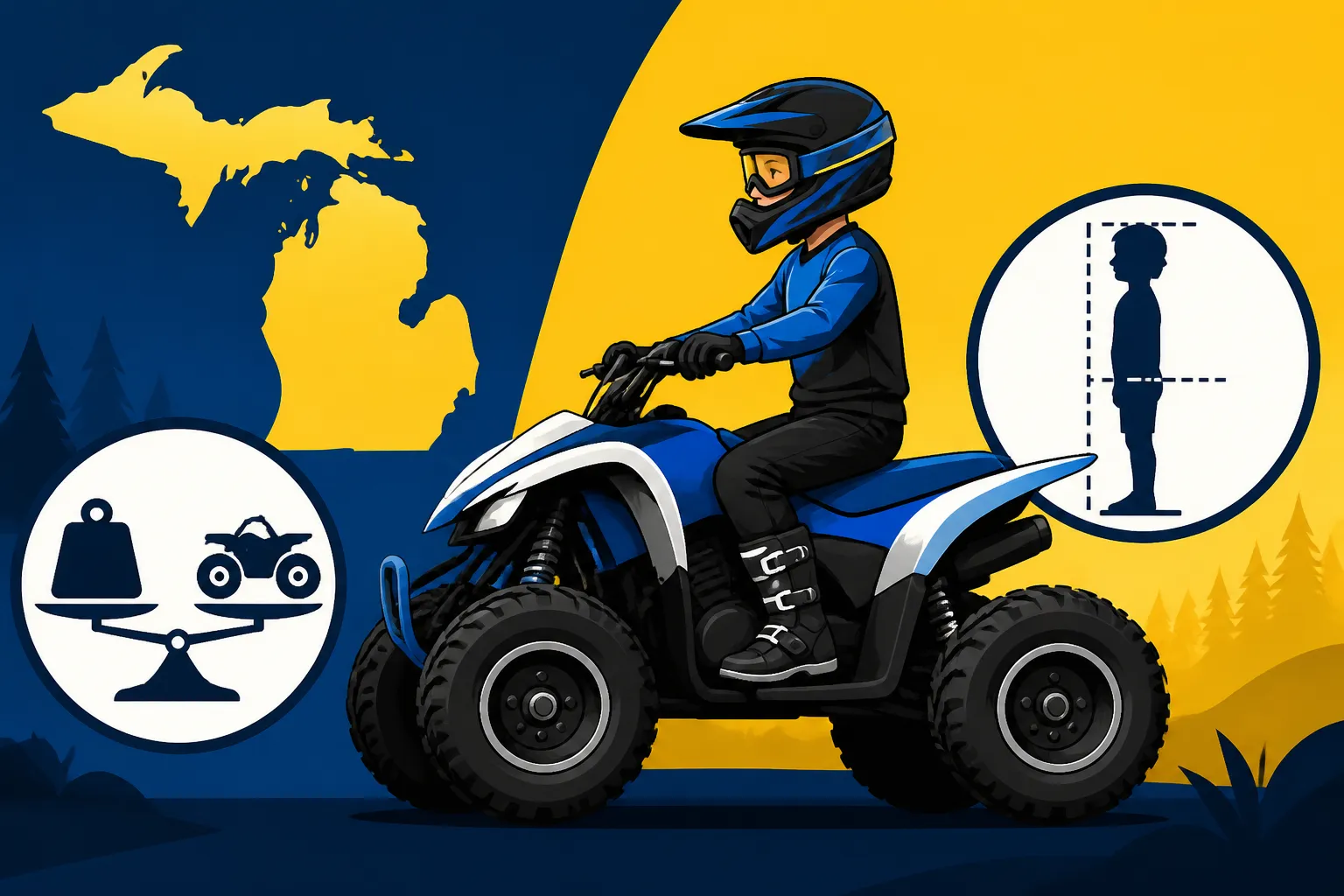
Every reputable ATV and UTV manufacturer provides guidelines for their youth models. These aren't arbitrary numbers; they're based on extensive safety testing and ergonomic studies. Ignoring these recommendations is taking an unnecessary risk. Typically, these guidelines focus on age, weight, and sometimes height, offering a starting point for your decision-making process. While every child develops differently, these metrics are the industry standard for a reason.
It’s tempting to buy a machine your child can "grow into," but this is a dangerous gamble. A quad should fit them now, not next year. Think of it like a bicycle – you wouldn’t buy a bike that’s several sizes too big and expect a child to ride it safely. The same principle applies, perhaps even more so, to a powerful off-road vehicle. Pay close attention to the specific recommendations for each model you consider, and remember that these are minimums and maximums, not suggestions for who might fit.
Understanding Age, Weight, and Height Charts
Manufacturer guidelines are typically presented in charts that pair specific ATV models with recommended age ranges, maximum rider weight, and often minimum height requirements. For instance, a small 50cc ATV might be recommended for riders 6 years and older, with a maximum weight of 80 pounds. A slightly larger 90cc model might jump to 10 years and older, with a 120-pound weight limit. These numbers are crucial.
Here's a general idea of what these charts look like, but always consult the specific model's manual:
| Engine Size (cc) | Recommended Age | Max Rider Weight (lbs) | Notes |
|---|---|---|---|
| 50-70 | 6+ years | 80-100 | Entry-level, very basic controls. |
| 90-110 | 10+ years | 120-150 | Stepping up in power, often with more features. |
| 125-200 | 14+ years | 180-200 | Nearing adult-sized machines, typically for more experienced teens. |
These charts often also specify minimum inseam measurements for riders to ensure they can comfortably straddle the machine and reach the ground. Always measure your child's inseam and compare it to the manufacturer's specification. Remember, these are guidelines, and a child's physical development and coordination can vary widely even within the same age group. Don't push a child into a larger machine just because they've hit a certain birthday. For considerations around engine size, you might find [110cc vs 125cc Youth Quad for a Beginner] helpful.
The Role of Physical Strength and Coordination
Beyond just age, weight, and height, a child’s individual physical strength and coordination are paramount. Two children of the same age and size might have vastly different capabilities when it comes to operating an ATV. One child might be naturally athletic and coordinated, quickly grasping the nuances of throttle control, steering, and braking. Another might be less physically confident or still developing their motor skills.
These non-numerical factors are often overlooked but are incredibly important. Can your child comfortably lift themselves onto the machine? Can they squeeze the brake levers without straining? Do they have the hand-eye coordination to steer around cones while modulating the throttle? Michigan's varied terrain, from sandy dunes to wooded trails, demands good coordination. Observing your child's general athleticism and their ability to handle other complex physical tasks (like riding a bicycle competently or participating in sports) can give you a good indication of their readiness. Sometimes, a child might fit the physical dimensions but simply isn't ready for the mental demands of operating an ORV. Always err on the side of caution.
The Importance of a Test Fit: More Than Just Numbers
While manufacturer charts give you a solid starting point, nothing beats a real-world test fit. Just like trying on shoes, what looks good on paper might not feel right in practice. A proper test fit goes beyond simply sitting on the seat; it involves evaluating reach, stance, and comfort, ideally in a controlled environment under the guidance of an experienced salesperson or instructor. This hands-on evaluation is where you truly confirm if the quad is a good match for your child's current abilities.
Don't rush this part of the process. Encourage your child to move around on the machine, practice simulated steering and braking, and even try to push the quad manually to get a feel for its weight. This is the moment to catch any awkward reaches, uncomfortable stances, or signs that the machine feels too big or too small. It's an investment in their safety and enjoyment, so take the time to get it right.
The Michigan 3-Point Check for Youth ATV Fit
When you're doing a physical test fit, think about these three key points to ensure proper rider fit, especially for Michigan's diverse riding conditions:
- Feet Flat on the Footpegs, Knees Bent: When seated, your child's feet should be able to rest flat on the footpegs with their knees comfortably bent, providing good leverage for standing or absorbing bumps. Their feet should not be dangling or stretched out straight. This position allows them to use their legs as suspension, crucial for stability and comfort on uneven Michigan trails.
- Hands on Handlebars, Arms Slightly Bent, Full Steering Lock: With hands firmly on the handlebars, their arms should have a slight bend at the elbows, not be locked straight. They should be able to turn the handlebars fully from left to right without straining, lifting their body, or having their hands slip off the grips. Also, check that they can comfortably reach and operate the throttle and brake levers without stretching their fingers to their limits.
- Sitting, Standing, and Shifting Weight Comfortably: Your child needs to be able to comfortably shift their weight side-to-side and front-to-back while seated. Crucially, they should also be able to easily stand up on the footpegs, maintain balance, and sit back down without fumbling. This ability to stand and shift weight is vital for navigating obstacles and controlling the quad in turns or over bumps. If they struggle with any of these movements, the quad is likely not the right fit.
These checks go a long way in ensuring your child will have the necessary control and comfort to ride safely.
Why You Can't "Grow Into" an ORV
The phrase "they'll grow into it" is one of the most dangerous statements when it comes to youth ORVs. Unlike clothing or even a bicycle, an ATV or UTV is a powerful machine that requires precise control and proper body positioning. Putting a child on a machine that is too big or too powerful for them to handle creates an immediate safety hazard. They won't have the strength to steer effectively, the reach to operate controls, or the ability to stabilize themselves in tricky situations. This directly relates to [Michigan ORV Road Riding Age Minimum] rules.
When a child is operating an oversized machine, they are constantly compensating for the poor fit. This leads to fatigue, frustration, and significantly increases the risk of an accident. They might develop bad habits trying to manage the machine's weight or power, which can be hard to unlearn later. Instead of being an exciting learning experience, it becomes a struggle. Invest in a machine that fits them now, and when they outgrow it, you can explore selling it and upgrading. Services like LawDepot can help you create a formal bill of sale when the time comes to sell their current machine, ensuring a smooth transition of ownership.
When It's Time for an Upgrade: Outgrowing a Youth Quad
Just as children outgrow their clothes and shoes, they will inevitably outgrow their youth ATVs. Recognizing the signs that your child is ready for a larger, more powerful machine is just as important as ensuring the initial fit. It's not always about their age; physical growth, increased skill, and a demonstrated ability to handle their current machine safely are all key indicators. Trying to squeeze a growing teenager onto a quad designed for a 10-year-old isn't safe or comfortable, and it can limit their ability to further develop their riding skills.
This transition period is often a bittersweet one. On one hand, you're proud of how far they've come. On the other, it means another investment! But prioritizing safety means being realistic about their evolving needs. When the time comes to sell an outgrown machine, remember to consider all the paperwork. Things like creating a bill of sale can be made easier with resources like LawDepot, ensuring you have proper documentation for the sale. This helps protect both you and the buyer and is an important part of responsible ownership.
Signs Your Child Has Outgrown Their ATV
There are several clear indicators that your child's current youth quad is no longer the right fit:
- Cramped Riding Position: Their knees are bent at an awkward angle, hitting the handlebars during turns, or their feet are struggling to stay on the pegs. They might complain about being uncomfortable after short rides.
- Lack of Challenge/Boredom: They've mastered their current machine and the terrain it's designed for, and they're looking for more power or capability. They might not be challenged anymore, which, ironically, can lead to risky behavior as they try to push the limits of an undersized machine.
- Height and Weight Exceed Manufacturer Limits: This is a non-negotiable sign. If your child's weight or height now exceeds the manufacturer's recommended maximums, it's definitely time for an upgrade. The machine is no longer designed to safely carry their weight or accommodate their size, potentially straining components and affecting handling.
- Improved Skill Level: They're demonstrating excellent control, smooth throttle and braking, confident weight shifts, and a deep understanding of riding etiquette and safety. They show consistent good judgment and have mastered various terrains. This is different from just "getting bored"; it's about genuine skill progression. You might also want to look into [Michigan ORV Road Riding Age Minimum] for new age-related rules.
When you notice these signs, it's time to start looking at the next size up.
The Upgrade Process: Selling and Buying Larger Machines
Upgrading to a larger youth quad is a process that involves a few key steps, from selling the old machine to properly acquiring the new one. First, evaluate the condition of your current ATV. A well-maintained youth quad will hold its value better and be easier to sell. Take good photos, be honest about its history, and set a fair price. You'll need to transfer the title properly. For Michigan residents, this means understanding the process for [Michigan Title Transfer When You Buy From a Private Seller] or [Michigan Title Transfer After an Owner Dies] if applicable.
When looking for the new machine, apply the same rigorous fit and safety checks you did for the first one. Don't be swayed by peer pressure or what other kids are riding; focus on what truly fits your child. Research brands, read reviews, and ideally, let your child test-ride the potential new quad in a safe, supervised environment. Remember to budget not just for the machine, but for new safety gear, potential [Michigan ORV Insurance and When You Actually Need It], and the necessary [Michigan ORV License and Trail Permit Explained]. When selling, services like LawDepot can provide templates for a bill of sale, making the transaction clear and legal. It’s also wise to educate yourself on [Michigan Use Tax on a Private-Party ATV Sale] to understand your obligations when buying or selling.
Disclaimer
This article is for general informational purposes only and does not constitute professional advice. Laws, prices and regulations vary by location and change over time. Consult a qualified professional for guidance on your specific situation.