Does Motorcycle Insurance Cover a Street-Legal UTV?
It's a question many of us in the Michigan ATV and UTV community wrestle with, especially when we're trying to figure out the ins and outs of getting our beloved side-by-sides ready for legal road use. You've gone through the process of making your UTV street-legal, adding all the required lights, mirrors, and maybe even a proper windshield. Now, you’re looking at insurance, and it feels natural to think, "Hey, it's an open-air vehicle, kind of like a big motorcycle, so maybe motorcycle insurance will cover it, right?" Unfortunately, Michigan's unique laws often throw a wrench into that seemingly logical assumption, and understanding why is key to staying legal and protected on the pavement. This guide will dive deep into Michigan's vehicle classifications and insurance requirements to clarify what kind of coverage your street-legal UTV truly needs.
The Core Difference: Why a UTV Isn't Just a Big Motorcycle (in Michigan's Eyes)
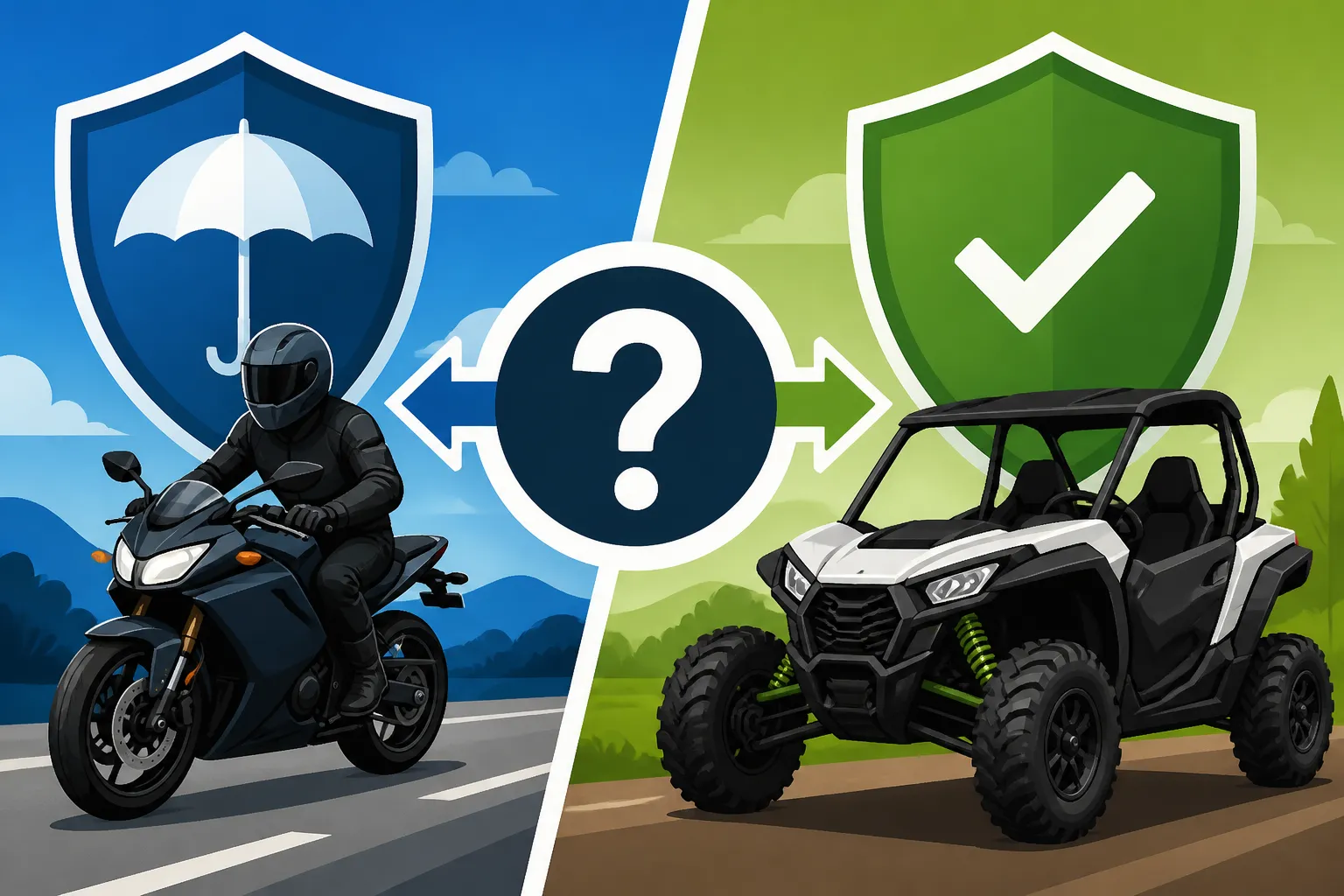
It's completely understandable to look at a street-legal UTV – especially one that's been beefed up with all the necessary road-going components – and see a lot of similarities to a motorcycle. Both offer that exhilarating open-air experience, both are ridden on two-lane roads and highways, and neither typically provides the enclosed protection of a traditional car or truck. But when it comes to Michigan's Department of State and insurance companies, these two vehicle types are viewed through very different lenses, primarily because of specific legal definitions and the state's no-fault insurance system.
Understanding Michigan's Vehicle Classifications
Michigan has very distinct legal categories for various types of vehicles, and how a machine is classified dictates everything from how it's titled and registered to what kind of insurance it requires. An "Off-Road Vehicle" (ORV) in Michigan, which is what your UTV started as, is primarily intended for use off pavements – on trails, dunes, and unmaintained lands. While you can get an ORV license and trail permit, that doesn't make it street-legal for general road use.
When you go through the effort of making a UTV "street-legal" in Michigan, you're essentially transforming its legal classification. It’s no longer just an ORV in the eyes of the law; it becomes what Michigan often refers to as an "assembled vehicle" or a "specially constructed vehicle" if it meets all the requirements to be treated as a motor vehicle for road use. This process is complex, involving specific inspections and documentation to ensure it complies with safety and equipment standards for public roads. You’ll be going through the motions with the Michigan Secretary of State to get a [Michigan Assembled Vehicle Title Application] and ensuring it passes a [Michigan Street-Legal UTV Inspection at the Secretary of State].
A motorcycle, on the other hand, is defined as a motor vehicle having a saddle or seat for the use of the rider and designed to travel on not more than three wheels in contact with the ground, but excluding a tractor. This definition is crucial because it generally refers to two- or three-wheeled vehicles where the rider straddles the engine. Your UTV, with its side-by-side seating, steering wheel, and four (or sometimes more) wheels, simply doesn't fit the traditional motorcycle definition, regardless of how open its cockpit might be or how much fun it is to drive. This fundamental difference in classification means that the insurance products designed for motorcycles typically aren't applicable or sufficient for a street-legal UTV.
No-Fault Law: The Big Hurdle
One of the biggest reasons why motorcycle insurance won't cut it for a street-legal UTV in Michigan is the state's unique no-fault insurance law. Michigan is a "no-fault" state for motor vehicle insurance, which means that if you're involved in an accident, your own insurance company generally pays for your medical expenses and certain other costs, regardless of who was at fault. This system is designed to streamline claims and ensure accident victims receive prompt care.
However, Michigan's no-fault law is specifically tied to motor vehicles as defined by the state. When a UTV is made street-legal, it crosses that threshold from being an off-road recreational vehicle to being a "motor vehicle" operating on public roads, and therefore, it becomes subject to the full scope of Michigan's no-fault regulations. This is where motorcycle insurance falls short. While motorcycle insurance does have components for bodily injury and property damage liability, it typically does not provide the specific "personal injury protection" (PIP) benefits that are the cornerstone of Michigan's no-fault auto insurance system for other motor vehicles. These PIP benefits cover medical expenses, lost wages, and replacement services, and they are a mandatory component of auto insurance for vehicles driven on Michigan roads.
Because a street-legal UTV needs to provide these specific no-fault PIP coverages, a standard motorcycle policy, which often operates under different liability rules and doesn't carry the extensive PIP benefits required for typical Michigan motor vehicles, simply isn't adequate. Insurance companies structure their policies to meet these specific legal obligations, and a motorcycle policy isn't built to accommodate a four-wheeled (or more) vehicle that falls under the no-fault umbrella. It's a frustrating distinction, but it's a legal one that has significant implications for your coverage.
What Insurance a Street-Legal UTV Actually Needs in Michigan
Given Michigan's specific vehicle classifications and its unique no-fault insurance laws, it becomes clear that a street-legal UTV requires a type of coverage that is far more akin to what you'd purchase for your car or truck, rather than a motorcycle. This often comes as a surprise to new street-legal UTV owners, but understanding these requirements is crucial for protecting yourself and staying compliant with state law.
Auto Insurance for Your Street-Legal Machine
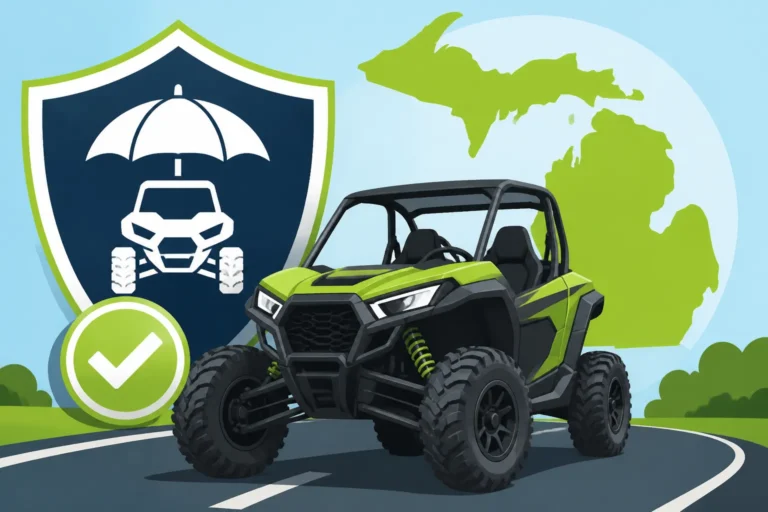
When your UTV successfully navigates the process to become street-legal and is issued a standard vehicle title and license plate, it then falls under the umbrella of "motor vehicles" that need to comply with Michigan's auto insurance laws. This means you will need to secure a standard auto insurance policy, much like you would for any car you drive on public roads. This policy must include the mandatory coverages required by Michigan law.
Let's break down what those typically entail:
- Personal Injury Protection (PIP) Coverage: This is the cornerstone of Michigan's no-fault system. PIP pays for your (and your passengers') medical expenses, lost wages, and replacement services if you're injured in an accident, regardless of who was at fault. The level of PIP coverage you choose will directly impact your premium and protection.
- Property Protection Insurance (PPI): This coverage pays for damage your UTV causes to other people's property, such as buildings, fences, or parked cars, but not other vehicles. It’s important to note that PPI has specific limits.
- Bodily Injury and Property Damage (BI/PD) Liability: This coverage protects you if you are at fault for an accident and cause injury to another person or damage to another person's vehicle. It covers legal fees and damages up to your policy limits. While Michigan’s no-fault system handles injuries and damages to your own vehicle and person, liability coverage is crucial for protecting you from claims made by others when you are determined to be at fault.
- Uninsured/Underinsured Motorist Coverage (UM/UIM): While not always mandatory, this is a highly recommended coverage. It protects you if you're involved in an accident with a driver who either doesn't have insurance or doesn't have enough insurance to cover your damages and injuries.
Insurance providers understand that street-legal UTVs are a growing segment, and many are now offering policies specifically tailored for these unique machines. When speaking with an agent, be very clear that your UTV is titled, registered, and insured for on-road use in Michigan, and that it requires no-fault compliant auto insurance. You might find that some companies are more familiar with this niche than others.
The Role of ORV Insurance (and Where It Stops)
Before your UTV was street-legal, you likely had some form of ORV insurance, especially if you financed the machine or wanted protection against theft and damage while out on the trails. ORV insurance is crucial for off-road enthusiasts, and it typically covers things like:
- Collision coverage: Damage to your UTV if you hit an obstacle or another vehicle off-road.
- Comprehensive coverage: Protection against theft, vandalism, fire, and other non-collision damages.
- Liability coverage: Protection if you cause injury to someone or damage to their property while operating off-road.
However, it's critical to understand that traditional ORV insurance is designed for off-road use only. Once your UTV ventures onto public roads and is treated as a street-legal motor vehicle, your standard ORV policy will typically not provide the necessary coverage, especially not the mandatory no-fault PIP. This means that if you have an accident on a public road with only ORV insurance, you could be facing severe financial consequences and legal penalties for operating an uninsured motor vehicle.
So, do you still need ORV insurance if your UTV is street-legal? The answer is: it depends on how you use your machine. If you only plan to ride your UTV on public roads now that it's street-legal, then a comprehensive auto insurance policy is what you need, and the ORV-specific policy might become redundant or unnecessary. However, if you plan to continue using your UTV for off-road adventures – hitting the trails in the Northern Lower Peninsula or exploring the [Drummond Island ATV Trail Mileage] – then you might need both types of coverage. Your auto insurance would cover your road use, and a separate ORV policy (or an endorsement on your auto policy, if available) would cover your off-road excursions. It’s a bit of a juggling act, but it ensures you’re fully protected wherever you ride.
Navigating the Insurance Maze and Saving Money
Figuring out the right insurance for a street-legal UTV in Michigan can feel like trying to untangle a particularly stubborn knot. With so many variables and the unique legal landscape of our state, it’s easy to get overwhelmed. But by approaching it systematically, you can find the right coverage without breaking the bank.
Shopping for the Right Policy
The key to finding appropriate and affordable insurance for your street-legal UTV lies in clear communication and diligent shopping. Here’s how to tackle it:
- Be Explicit About "Street Legal": When you call an insurance agent, don't just say "I need insurance for my UTV." Emphasize that it's been converted to be street-legal, that it has a standard vehicle title and license plate, and that you need no-fault auto insurance for it. Explain that it’s an assembled vehicle registered for road use. This helps them steer you toward the correct policy type from the start.
- Specialized Providers: Some insurance carriers are more experienced with niche vehicles like street-legal UTVs, custom builds, or kit cars. They might have specific departments or agents who understand the nuances better than a general agent. Don't be afraid to ask if they have experience insuring assembled vehicles in Michigan.
- Gather Your Documentation: Have all your vehicle’s information ready: VIN, make, model, year, and details of your street-legal conversion (e.g., proof of DOT-approved parts like safety glass windshields). If you’ve added parts from companies like SuperATV to make it street-legal, mention the quality and compliance of those components. This information will help the agent accurately classify your vehicle and provide a precise quote.
- Consider Bundling: Many insurance companies offer discounts if you bundle multiple policies, such as your home, auto, and street-legal UTV insurance. Always ask about potential bundling options, as this can often lead to significant savings.
- Get Multiple Quotes: Never settle for the first quote you receive. Insurance rates can vary wildly between companies for the exact same coverage. Get quotes from at least three different providers to compare prices and ensure you're getting competitive rates.
Factors Affecting Your Premium
Just like with any other motor vehicle, several factors will influence the cost of your street-legal UTV insurance premium in Michigan. Understanding these can help you make informed decisions and potentially lower your costs:
- Driver History: Your driving record, including any accidents, traffic violations, or points on your license, will heavily impact your rates. A clean driving record is your best friend when it comes to insurance costs.
- UTV Type and Value: The make, model, year, and declared value of your UTV play a significant role. A brand-new, high-performance side-by-side with many custom upgrades will generally cost more to insure than an older, less powerful model.
- Usage: How often and how far you plan to drive your street-legal UTV on public roads matters. If it's a weekend recreational vehicle with limited mileage, your rates might be lower than if it's your daily driver.
- Location: Where you live and where the UTV is primarily garaged can affect rates. Areas with higher theft rates or more traffic accidents may see higher premiums.
- Safety and Anti-Theft Features: Just like with cars, features like anti-lock brakes, airbags (if applicable for some UTVs), GPS trackers, or enhanced alarm systems can sometimes qualify you for discounts. Any quality [Safety Glass Windshield Cost for a Side-by-Side] or robust [Turn Signals and Hazard Lights on a Street-Legal Build] parts you've added from reliable sources like SuperATV can also demonstrate your commitment to safety, though direct discounts for specific brands are less common.
- Deductibles: Choosing a higher deductible (the amount you pay out-of-pocket before your insurance kicks in) will typically lower your premium, but make sure you can comfortably afford that deductible if you ever need to file a claim.
By carefully considering these factors and actively shopping around, you can secure the necessary no-fault auto insurance for your street-legal UTV, ensuring you’re compliant with Michigan law and protected on your road-going adventures. It might not be as simple as adding it to your motorcycle policy, but the peace of mind knowing you're fully covered is absolutely worth the effort.
| Feature / Type | Standard ORV Insurance (Off-Road Only) | Street-Legal UTV Insurance (Auto Policy) |
|---|---|---|
| Primary Use | Trails, dunes, private property | Public roads, highways |
| Required Coverage | Liability, Collision, Comprehensive (variable) | PIP, PPI, BI/PD Liability (Mandatory in MI) |
| No-Fault PIP | Generally not included | Mandatory in Michigan |
| Medical Expenses | Limited, often secondary to health insurance | Primary coverage under PIP |
| Property Damage | Covers damage off-road to others' property | Covers damage on-road to others' property |
| Theft/Vandalism | Often included with Comprehensive | Often included with Comprehensive |
| Michigan Title | ORV Title | Standard Vehicle Title (Assembled Vehicle) |
| License Plate | ORV sticker/trail permit | Standard Michigan license plate |
| Compliance | For off-road permit/owner liability | Required by law for all road-going motor vehicles |
Disclaimer
This article is for general informational purposes only and does not constitute professional advice. Laws, prices and regulations vary by location and change over time. Consult a qualified professional for guidance on your specific situation.